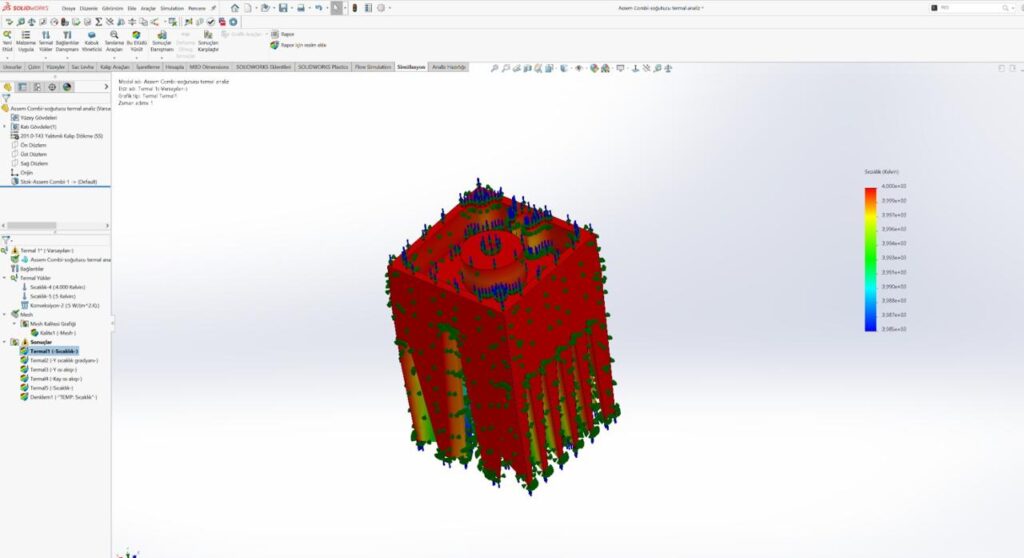
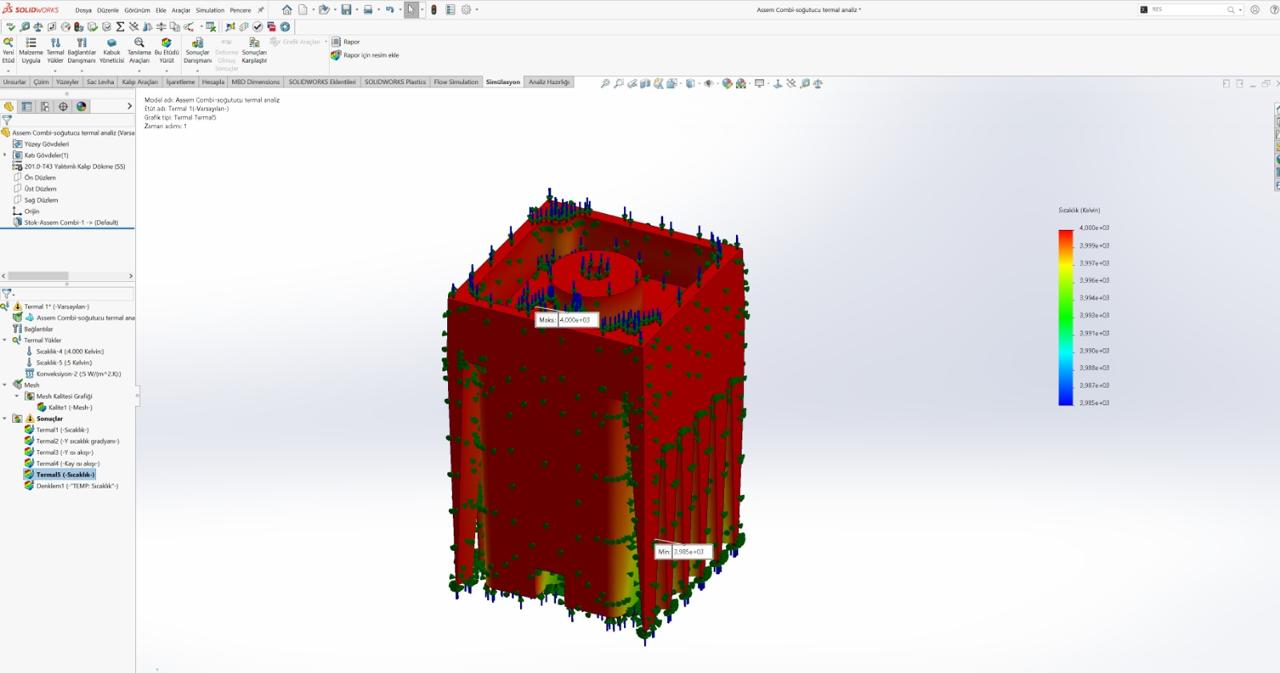
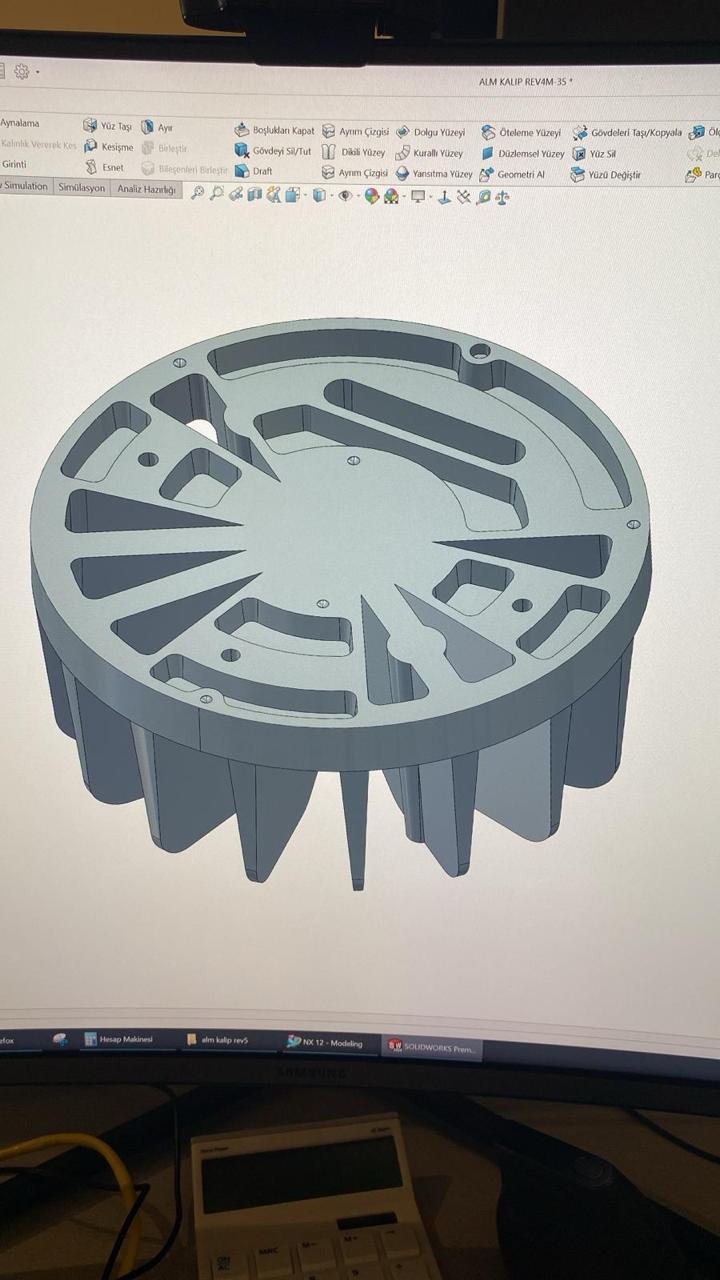
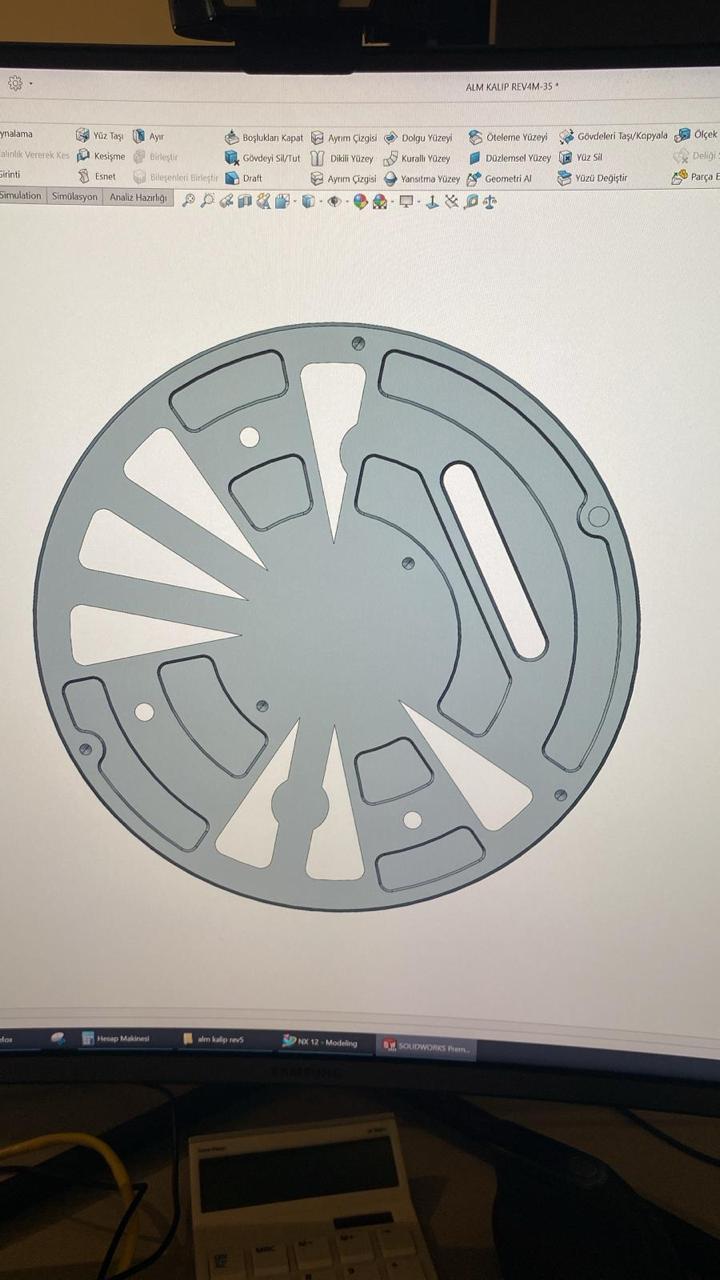
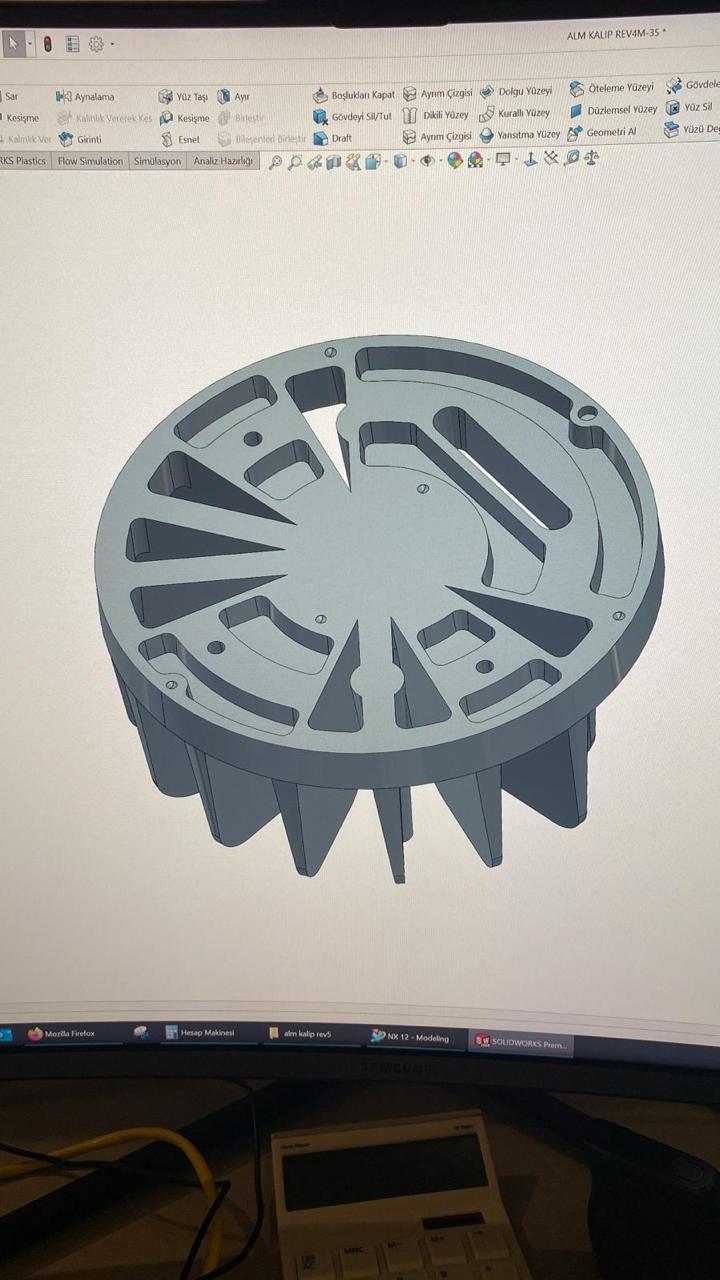
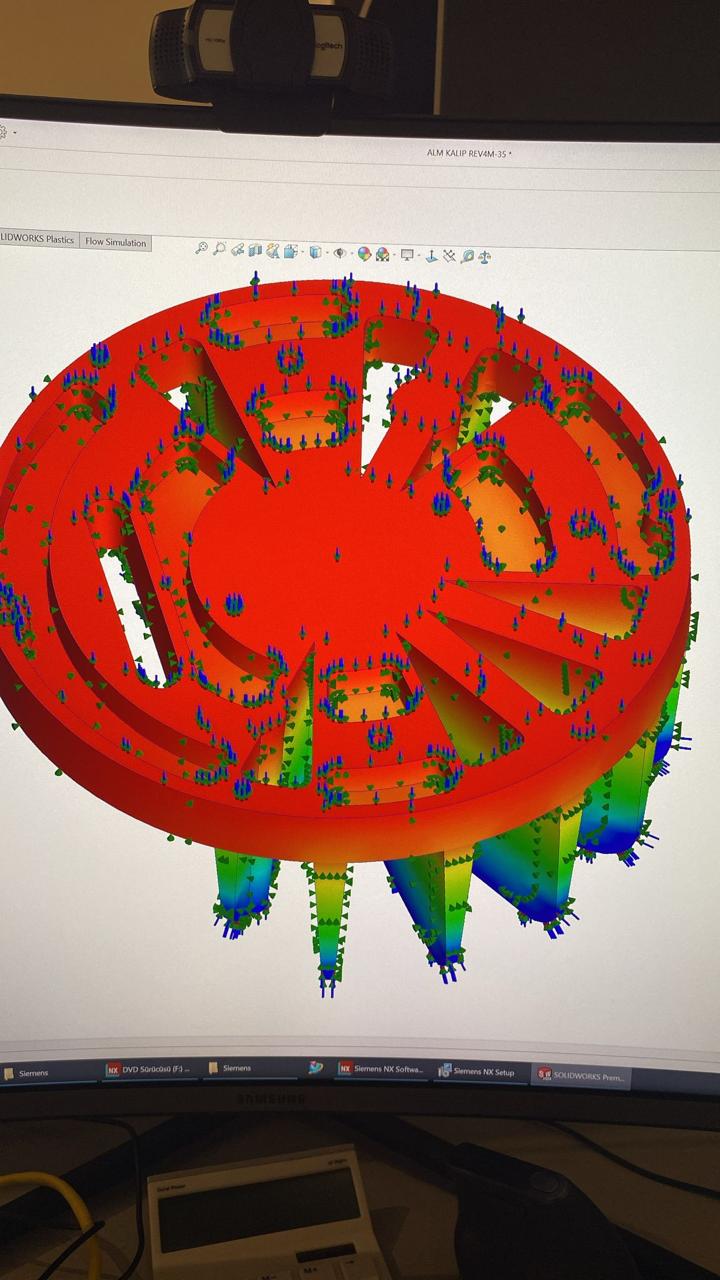
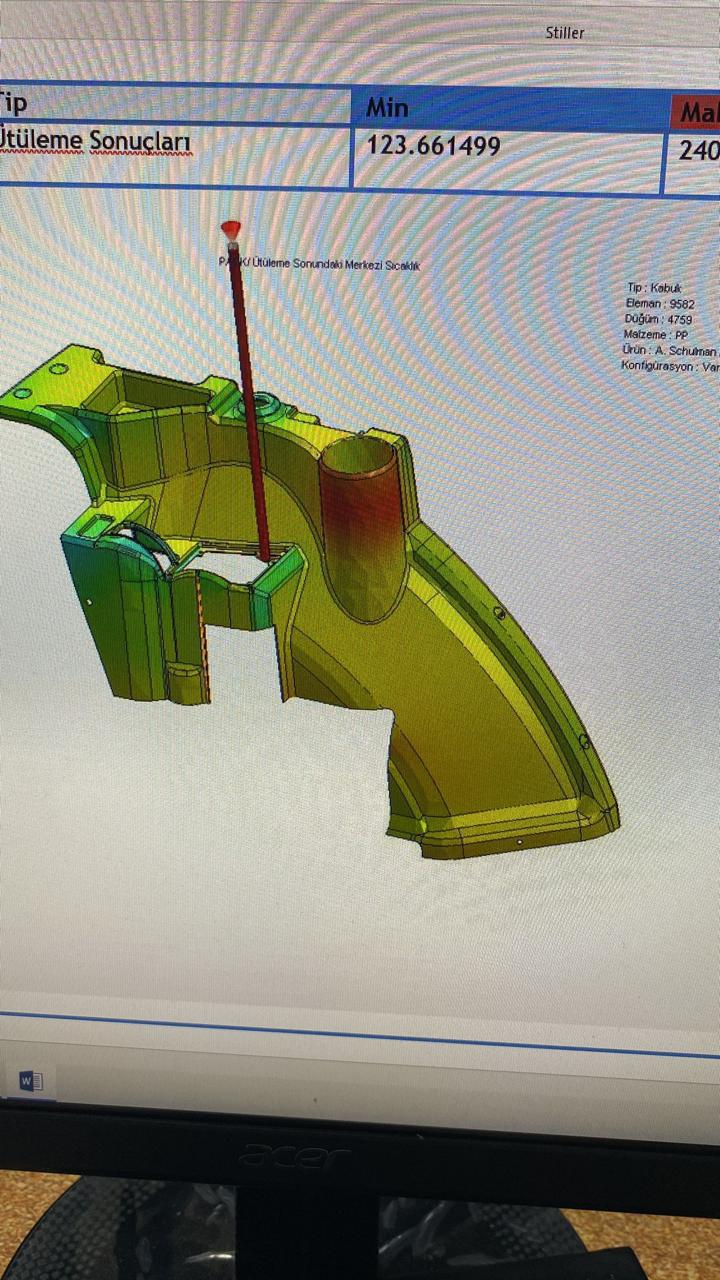
Identifying manufacturing defects early in the product development process reduces costly mold trials and potential product rejection rates.
Make Better Product Design Decisions Earlier
Faster, more informed product design cycles with fewer iterations lead to the development of better, structurally efficient, and manufacturable parts.
On-Time Mold Delivery for Production at a Lower Cost
Transition from “how it’s done” to “why it’s done” by evaluating product feasibility when changes are made during the five-stage workflow process.
Filling Results
– Temperature
– Temperature (part core)
– Temperature (part core and wall)
– Flow front temperature
– Velocity
– Average Velocity
– Pressure
– Filling time
– Frozen layer
– Air traps
– Weld lines
– Effective strain rate
– Effective viscosity
– Density
– Thickness
– Mold temperature
– Fiber orientation tensor
Packing Results
– Temperature
– Temperature (part core)
– Temperature (part core and wall)
– Temperature (outer wall)
– Velocity
– Average velocity
– Frozen layer
– Pressure
– Sink mark
– Density
– Thickness
– Mold temperature
Cooling Results
– Temperature
– Temperature (part core)
– Thickness
– Density
– Frozen layer
– Mold temperature
Warpage Results:
– Displacement
– Element stresses
– Nodal stresses
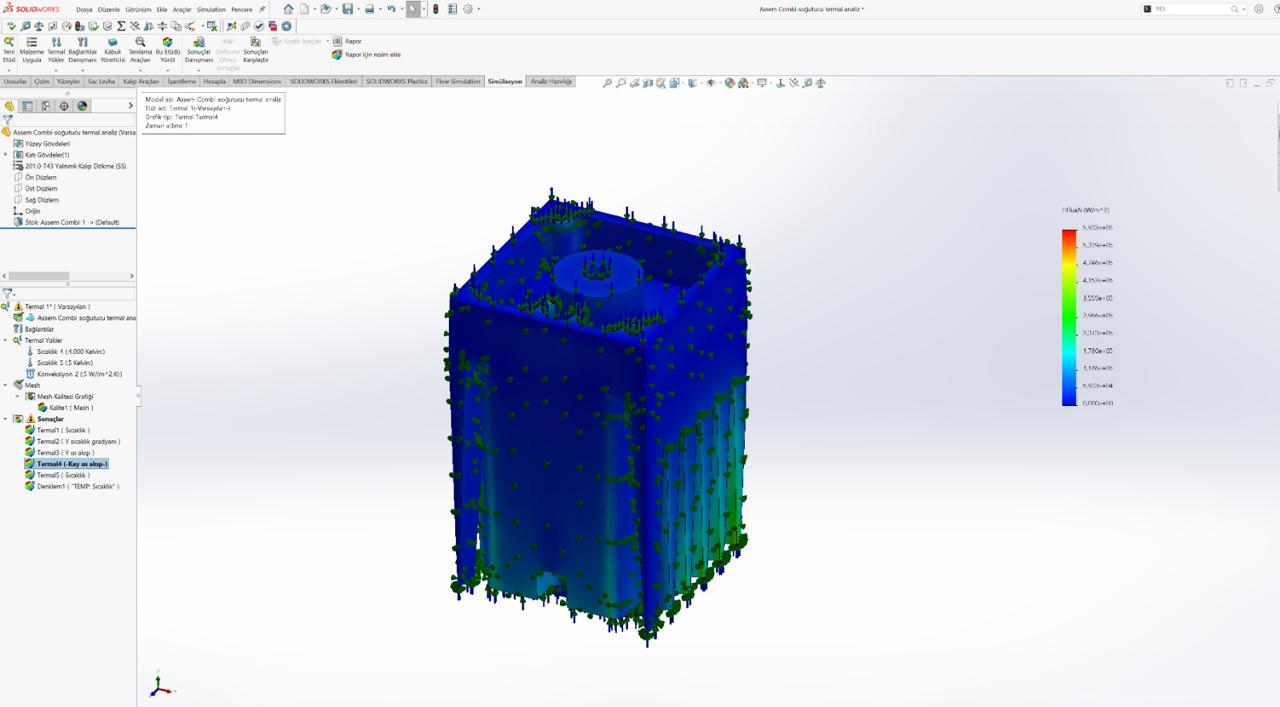
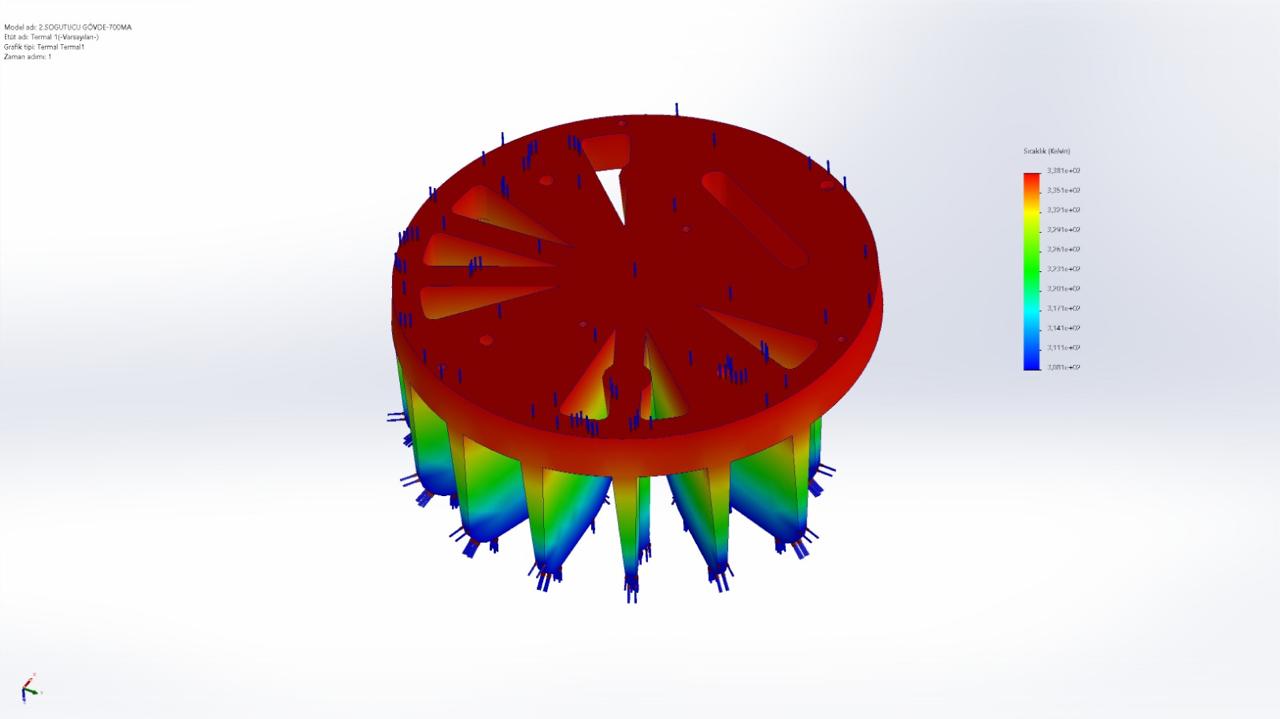
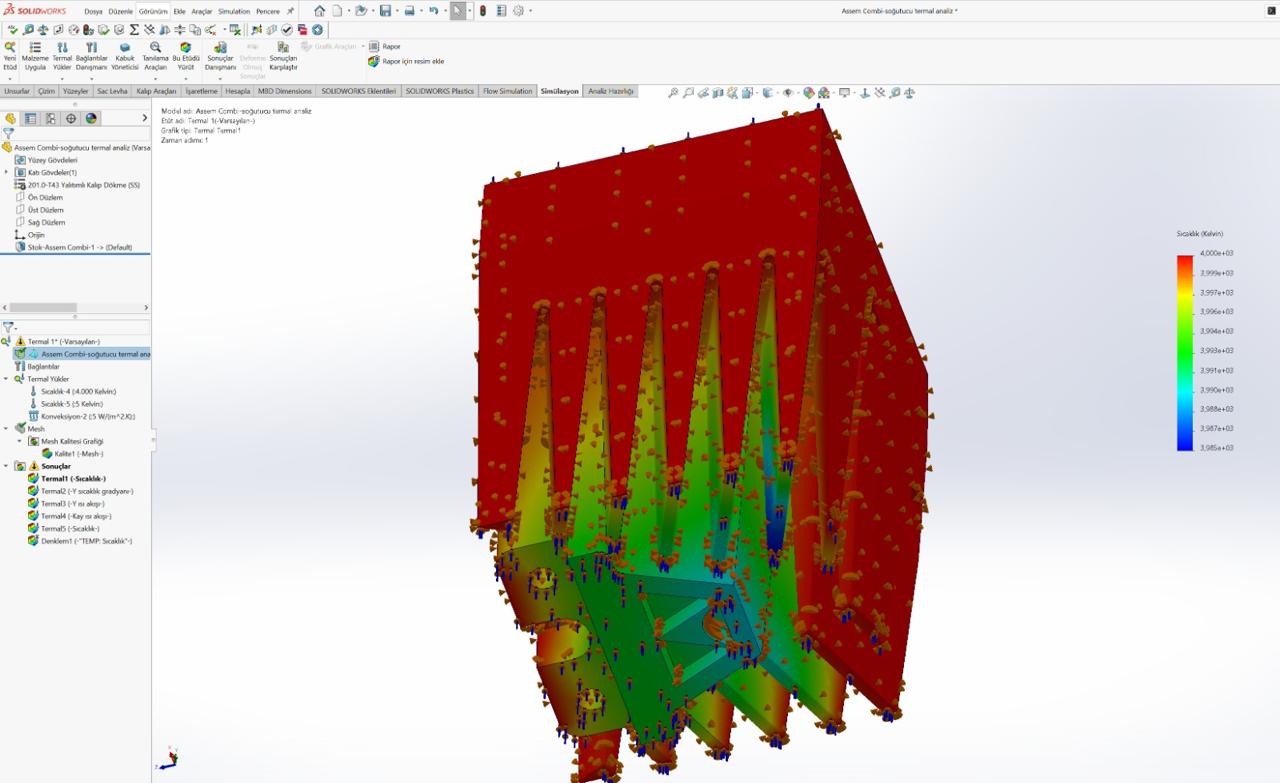
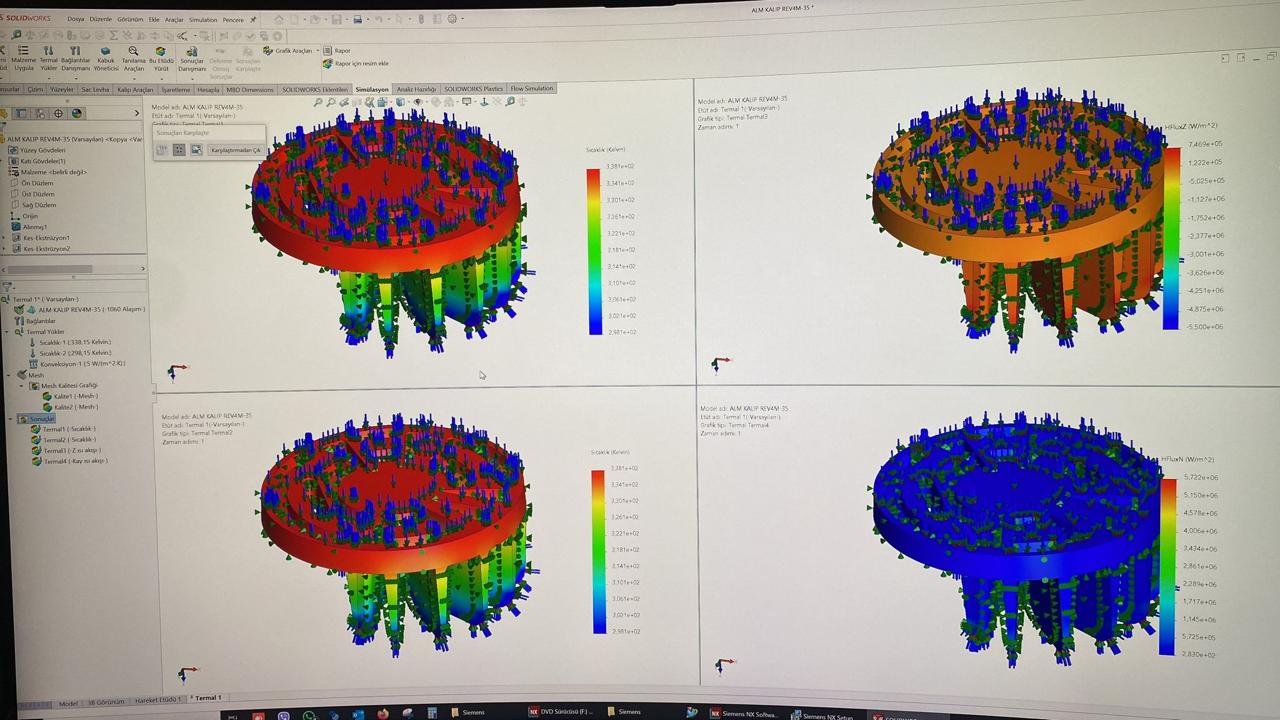
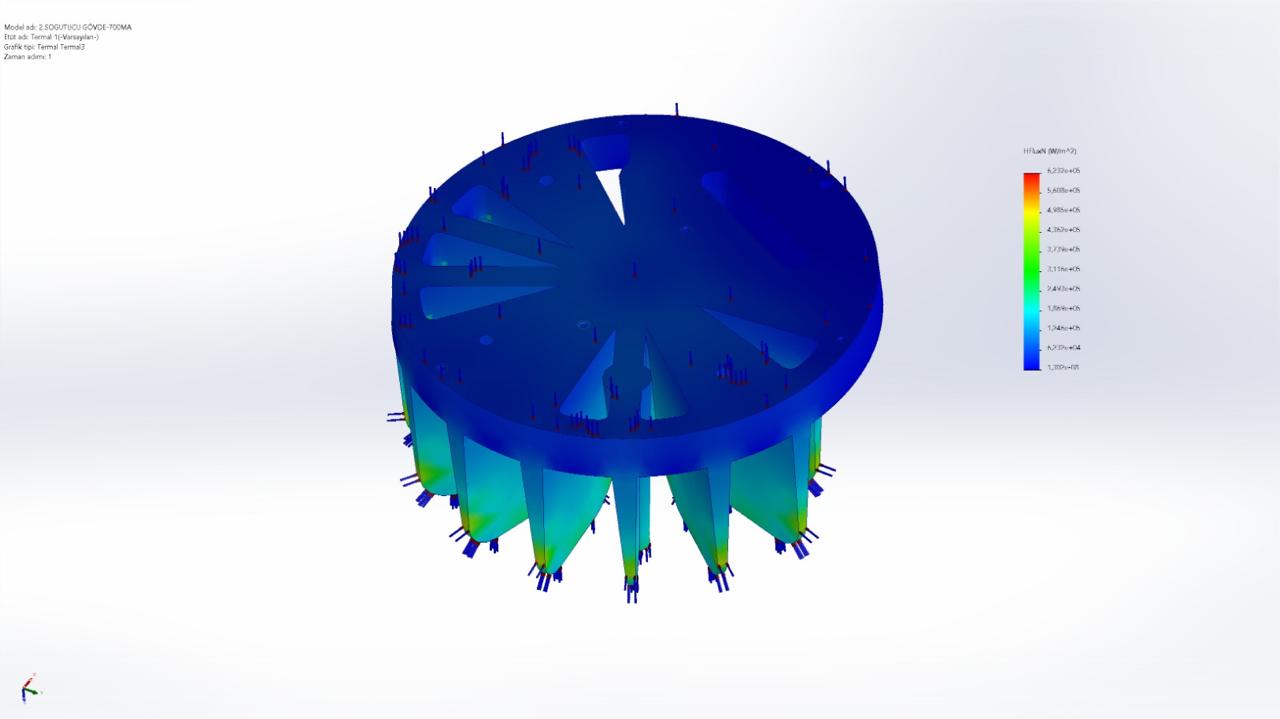
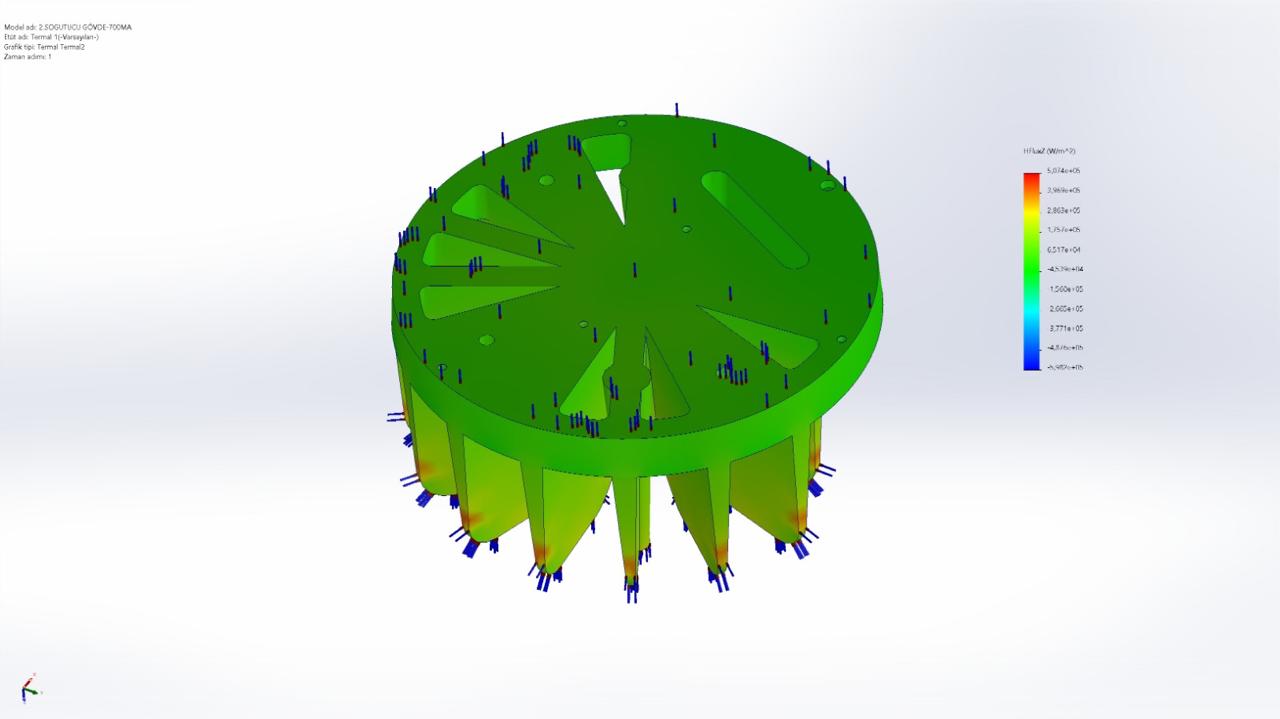
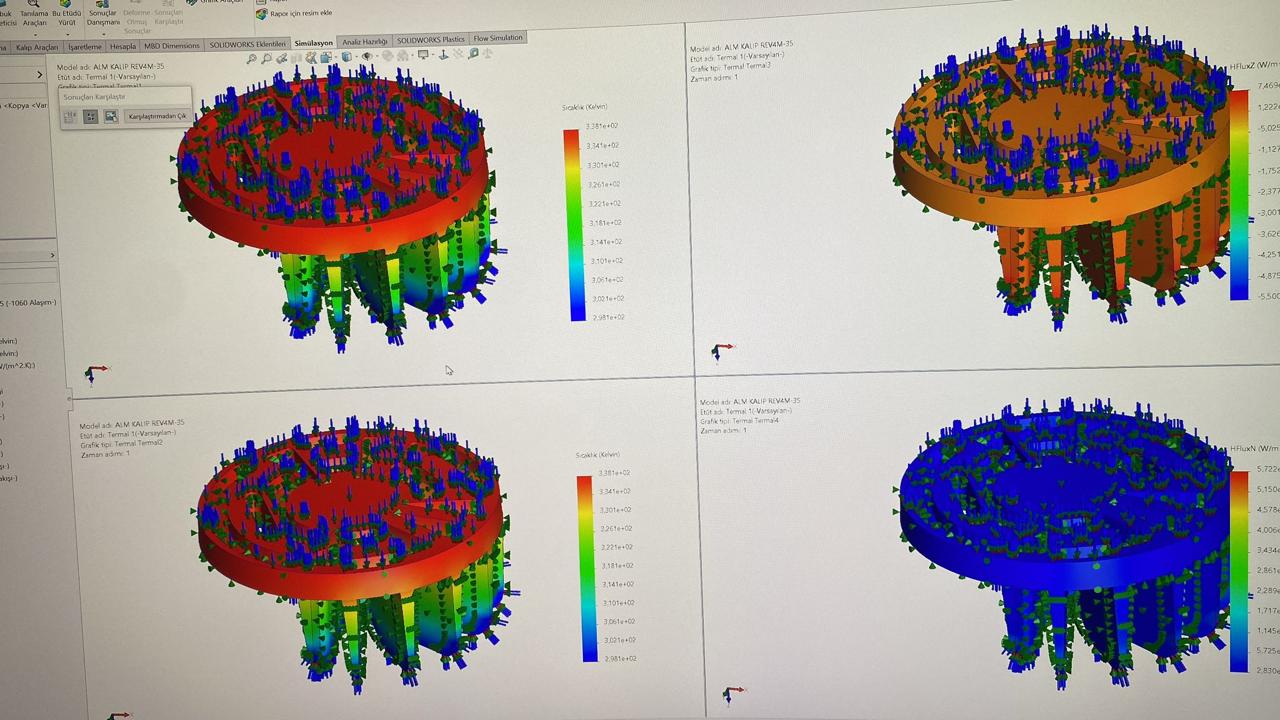
In order for the molds we produce to be successful on the first try, our global brand utilizes AnyCasting casting simulation software. Through casting simulation studies, the runner and gate locations for the part to be produced in the mold, the operating conditions during mass production, and the placement of heating/cooling channels within the mold are calculated for maximum efficiency. Potential casting defects are resolved using AnyCasting casting simulation software. Mold production commences after the simulation and engineering studies are complete.