
Zamak Casting and Zamak Mold
The term “Zamak”, which is frequently mentioned in the manufacturing sector, was obtained by combining the initials of the German names of the elements and has continued to be called by this name.
Z (Zink-Zinc),
A (Aluminium-Aluminum),
MA (Magnesium-Magnesium)
K (Kupfer-Copper)
Zamak is not a metal on its own. Zamak alloys are obtained by adding certain proportions of copper, magnesium and aluminum to the pure zinc element. These proportions form zamak ingots with different characteristic features. Zamak ingots are poured into the melting tanks of casting machines and melted at appropriate temperatures and turned into liquid. The liquid zamak alloy is pushed into the mold by the injection method.
The zamak, which cools down in a short time in the mold and takes the desired shape, is thrown out. After this stage, secondary processes are performed, the parts coming out of the injection machine are processed and take their final form. This is how parts are produced with zamak and injection method.
You can contact us immediately to get information about the production process, price and other issues you are curious about for the parts you want to produce.
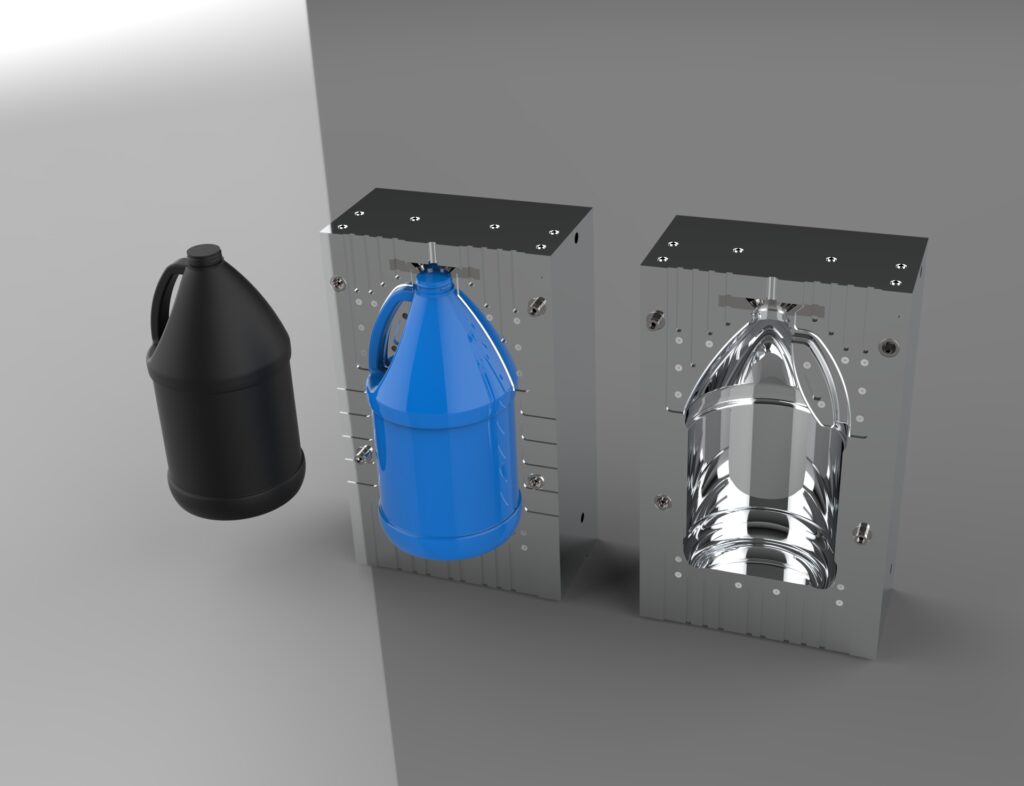
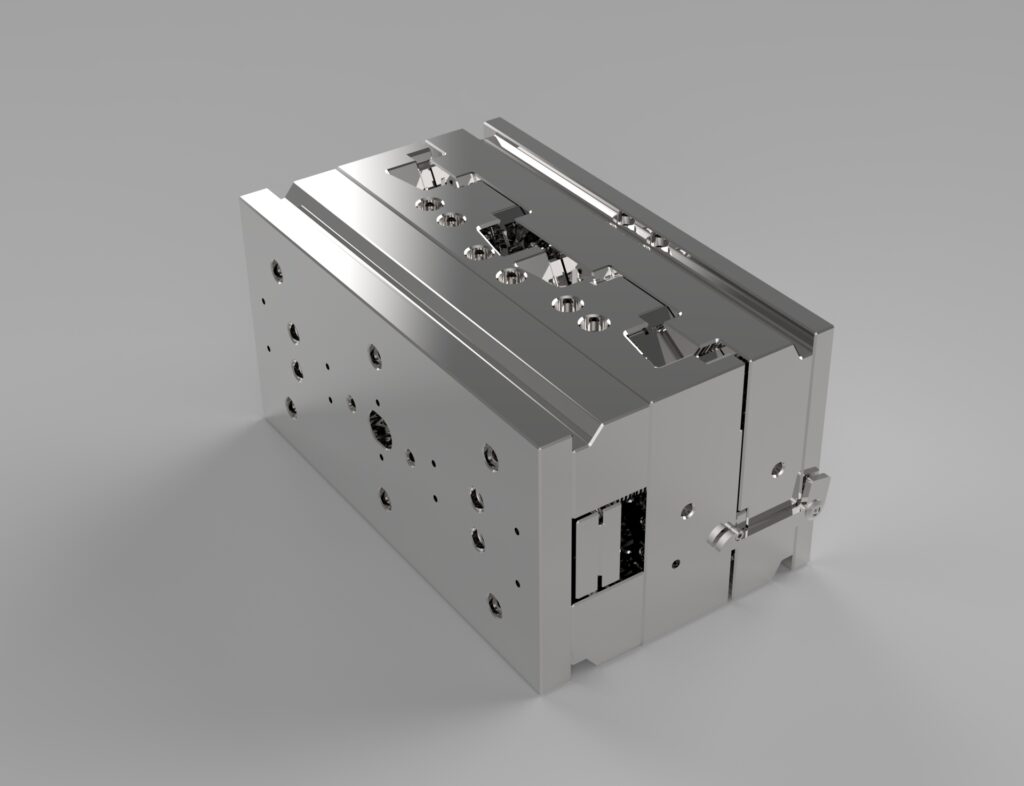
Zamak Mold Production and Zamak Casting Mold
The mold material used in zamak mold production is 2344 hot work steel. Hot work steel with certain dimensions is processed on CNC machines and brought to the shape and form desired by our customer.
CNC machines process hot work steel to obtain the drawings loaded from the computer and turn it into a design. Being produced by a completely computer-aided system allows the molds to obtain products with high surface precision. Throughout the production process,
our design team aims to achieve a flawless production by reducing possible human factor-related errors to zero.
The hot work steel coming out of the CNC machines and processed is connected to the erosion machines. The copper form, which is previously connected to the erosion machines and produced in the desired designs, carves the hot work steel thanks to the current passing through it. The work steel is carved in a certain micron size with each movement and the desired shape is processed into the mold. A product with aluminum, zamak, plastic or different types of raw material content can be produced with the mold obtained from hot work steel.
The molds that are manufactured and about to be connected to the injections are ready for production at this stage. The molds are usually in groups of 2, 4 or 6. In other words, multiple parts can be produced at a time as many as the number of sections (group molds) in the molds connected to the injection machine.
Zamak, Aluminum and Plastic Part Production Process
Our zamak, aluminum or plastic part production process works from the first stage to the last stage as follows:
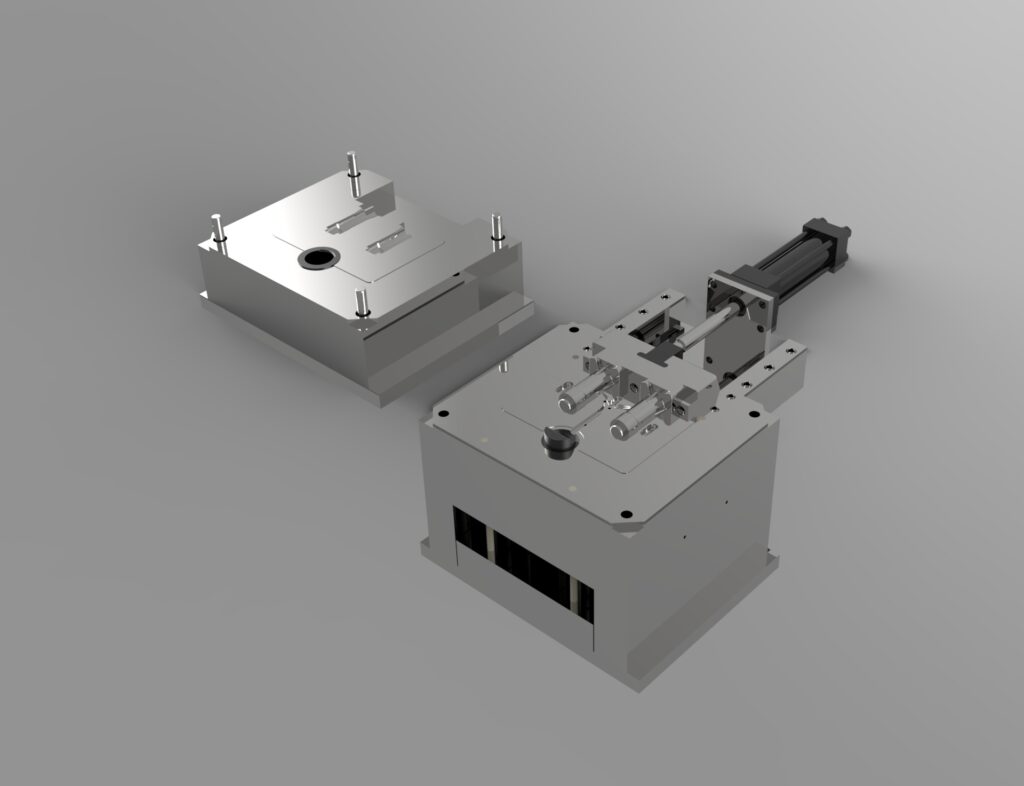
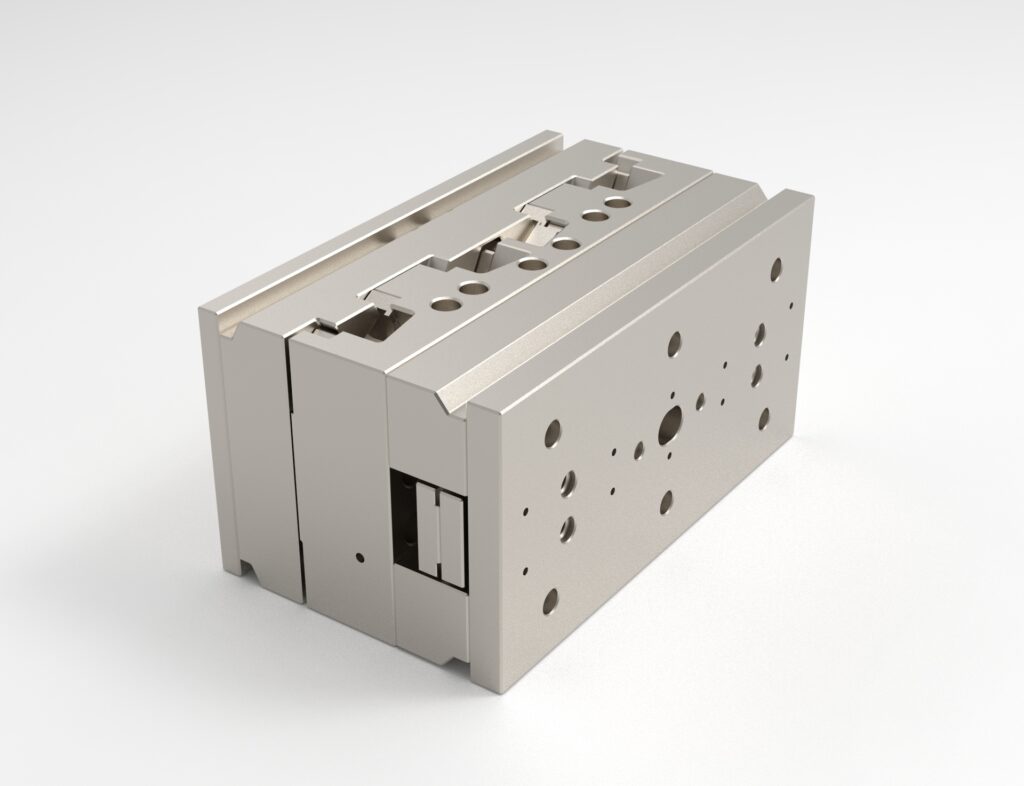
Manufacture Suitability Control and Price Offer
After receiving the part production requests of our customers; the first step will be the analysis of the design team. If no problem is seen in the production of the part as a result of the evaluation made based on the technical specifications of the part; the price offer is sent to the customer.
Computer Aided Design and Customer Approval
After the customer accepts the price offer and the necessary details about the production process are discussed, the design is made on the computer with a 3D drawing program (SolidWorks, Catia, etc.).
The design is presented to the customer and the customer’s approval is received. The customer can make changes to the design as desired.
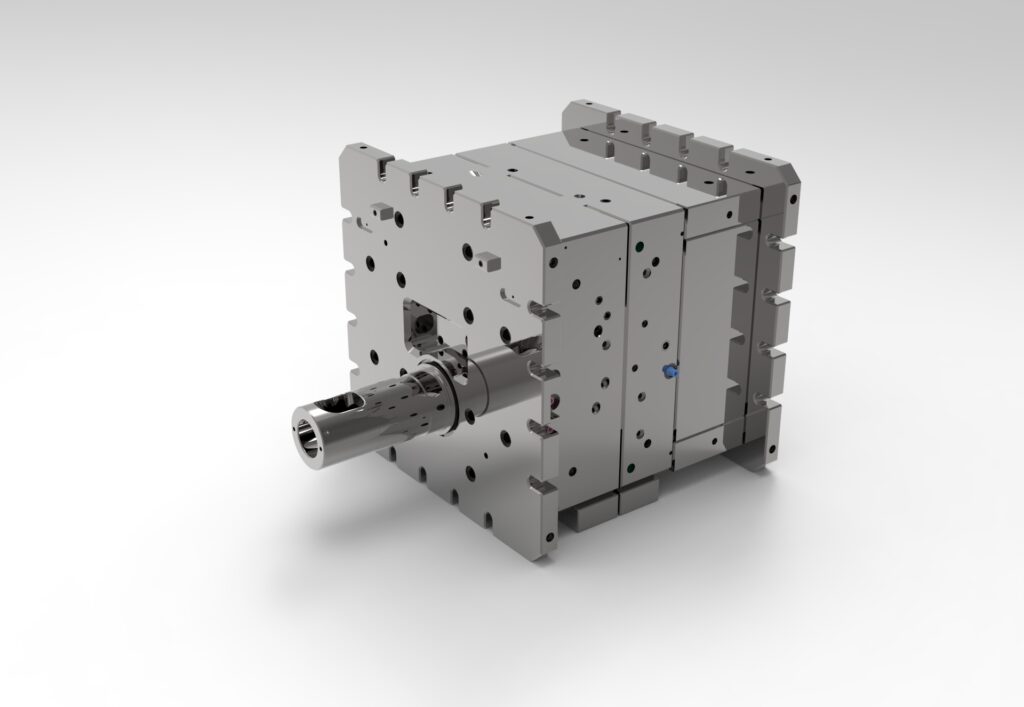
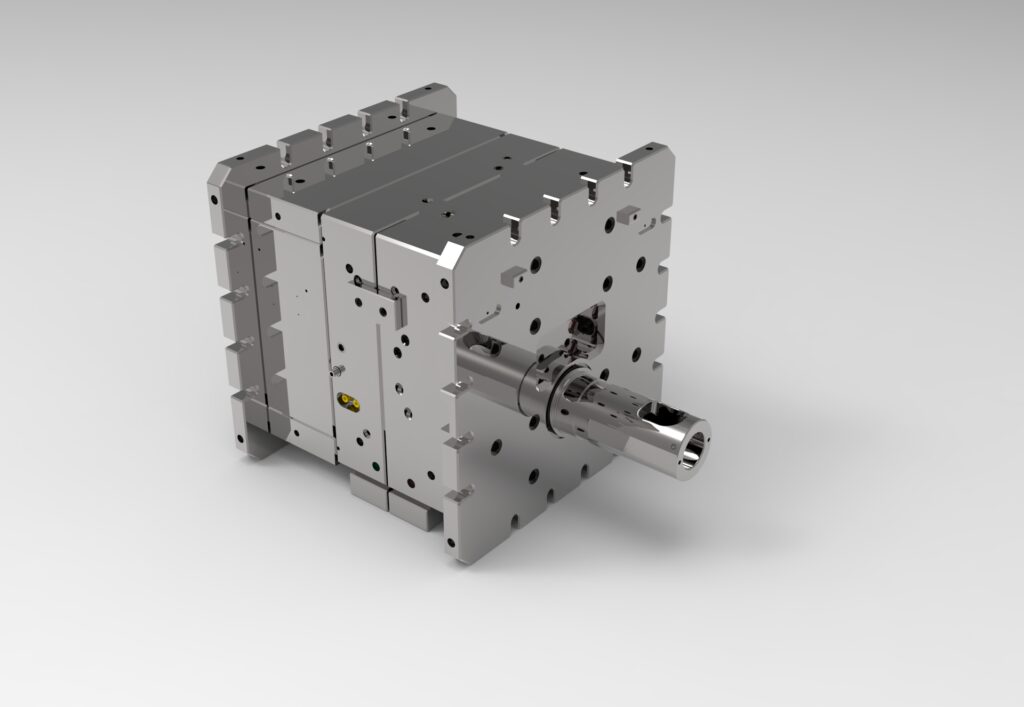
Mold Manufacturing
2344 hot work steel is processed on CNC machines to bring it to the desired mold form. We respond to our customers’ demands for plastic injection mold, aluminum injection mold or zamak injection mold production.
If the raw material of the desired part is plastic, the molds operate at high temperatures such as 100 °C – 300 °C, Zamak at 400 °C – 600 °C, and aluminum at 500 °C – 700 °C. Working temperatures, strengths, production processes and many other factors can affect mold costs. Plastic molds are generally less costly; while zamak molds are more costly.
Part Output in Injection Machines
The mold is connected to a plastic, zamak or aluminum injection machine depending on the type of raw material requested. The heated and liquid raw materials are pushed into the mold by injection and 2, 4 or 6 pieces are removed with each stroke of the machine. The hot molten metal or plastic sprayed into the injection machine is quickly cooled and ejected.
Zamak casting parts weighing from 1 gr to 5 kg are produced in 20-200 tons of hot chamber metal injection machines; aluminum casting parts weighing from 1 gr to 5 kg are produced in 200-600 tons of cold chamber metal injection machines.
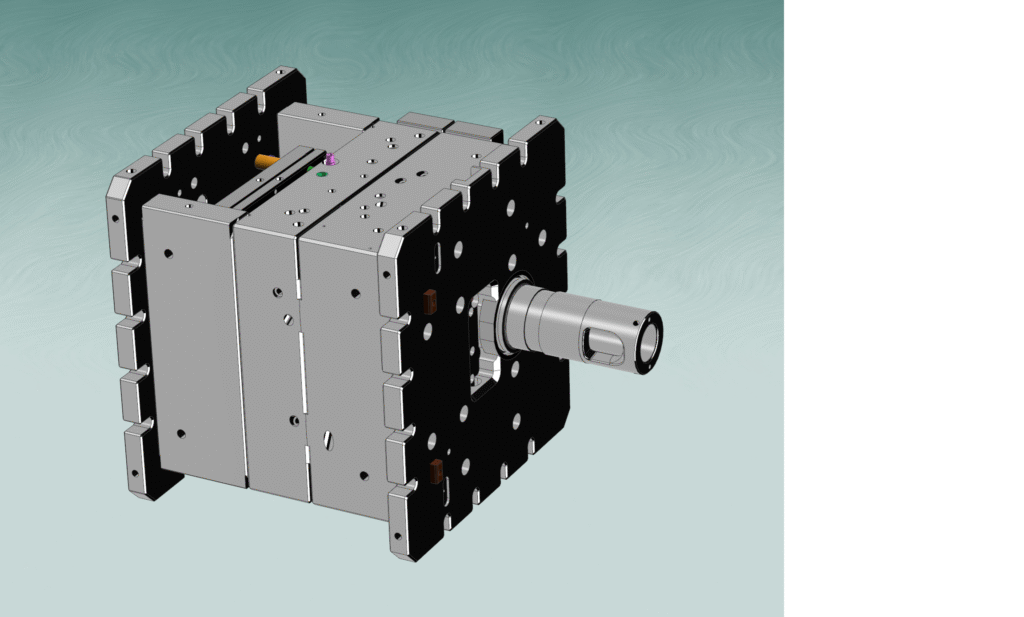
Aluminum Injection Mold
Aluminum Injection Casting is a widely used casting type. It is one of the most used methods after iron and steel. It is preferred for the production of aluminum parts in quantity. It brings the liquid aluminum of the copper piston to the runner mouth with a very high pressure. The incoming liquid aluminum injection mold is spread into the mold and finally compressed. In this way, it is a technique consisting of three stages. High quality alloy is used in aluminum injection molds. In this way, all these processes take place in seconds and the aluminum material that is resistant to wear, fatigue and high temperatures is obtained.
When applying the aluminum injection casting method, two different metal injection machines are used depending on the material produced. Cold Chamber Injection Casting machines are generally preferred in aluminum part production. Those used for Zamak Casting are called Hot Chamber Injection Casting Machines. Hot chamber machines work faster than cold chamber ones. The method in which the piston cylinder mechanism is mounted inside the crucible and the molten metal is pushed into the mold through this mechanism is carried out with Hot Chamber Injection Casting machines. Since the molten metal almost never comes into contact with air in this system, the internal structure of the casting part is quite flawless. An independent furnace and injection system are used in Cold Chamber Injection Casting machines. The molten metal ladle is automatically transferred to the chamber. It advances into the mold with the pushing of the injection piston. In this system, the rapid injection can cause air mixing and unwanted gas porosity in the casting part.
Aluminum Injection Mold Design
One of the most effective methods in the production of aluminum parts is their production with the molding technique. There are many methods here. The classical method is sand mold, gravity casting and injection, that is, pressure casting. There are also low-pressure and high-pressure casting methods in pressure casting. Aluminum mold design criteria, that is, there are many criteria for production when designing. Angles, cores, mechanisms and other methods are some of them. Especially the placement of reverse angles and cores, and the selection of appropriate cores are important issues.
As in every job, experience is required in mold design. In addition to both material knowledge and manufacturing knowledge, design ability also stands out. In order for the product to be produced with equal properties, especially equal mechanical properties, without gaps and in accordance with the final geometry, it is necessary to work with expert teams in this field. Otherwise, both the work time and mold production costs increase with continuous revisions after the design.
The mold designer, who will find professional solutions to many questions such as which mold material will be used, core systems, cooling systems, and the parting line of the product, plays an active role in the production of the product in high quality, especially with equal properties.
There are many CAD software, namely computer-aided design software, in aluminum injection mold design. In particular, these software also include customized mold design tools. In addition, product flow analyzes can be performed with simulation software after the design process. In other words, the mold can be designed and simulated in a computer environment before it is produced and the final mold can be reached directly. When these tools are combined with experience, it is possible to get excellent results.
Aluminum Injection Mold Manufacturing
With aluminum injection molding technology, it is now possible to produce products in high quantities, just like plastic injection. The molten aluminum material is pushed into the mold cavity under a certain pressure to ensure complete filling. After the cooling process, the part is removed. Robots can also be used for loading and unloading here. Again, a mold lubrication device can be used for the mold spraying process. You can benefit from the advantages of mass production by having your products produced with aluminum injection molding technology.
Mold manufacturing requires high precision CNC machines. CNC machines, namely computer-controlled machine tools, play a major role in production. It is possible to process complex geometry molds with these machines developed for the machining technique. Milling machines are mostly used for this process. These machines, also known as vertical processing, are 3-axis, 4-axis and 5-axis, as well as machine production in different axes. Aluminum injection mold manufacturing is a multi-disciplinary process that requires expertise and advanced production technology knowledge.
Aluminum Injection Mold Prices
Is an important factor in the development of technology and the development of new generation products. The manufacturability of the designed product in the product development process depends on the development of your production line and capabilities. When pricing mold production, product dimensions, complexity and expected mold life are taken into account. Aluminum injection mold prices are a study that varies and is priced according to these parameters.
Aluminum injection mold is a product frequently used especially in industry and production sites. Aluminum injection mold prices These molds, which have different sizes and qualities, are offered for sale at different price ranges depending on the manufacturer. At this point, we need to state that we always present quality and affordable products and offer affordable products to all our customers.