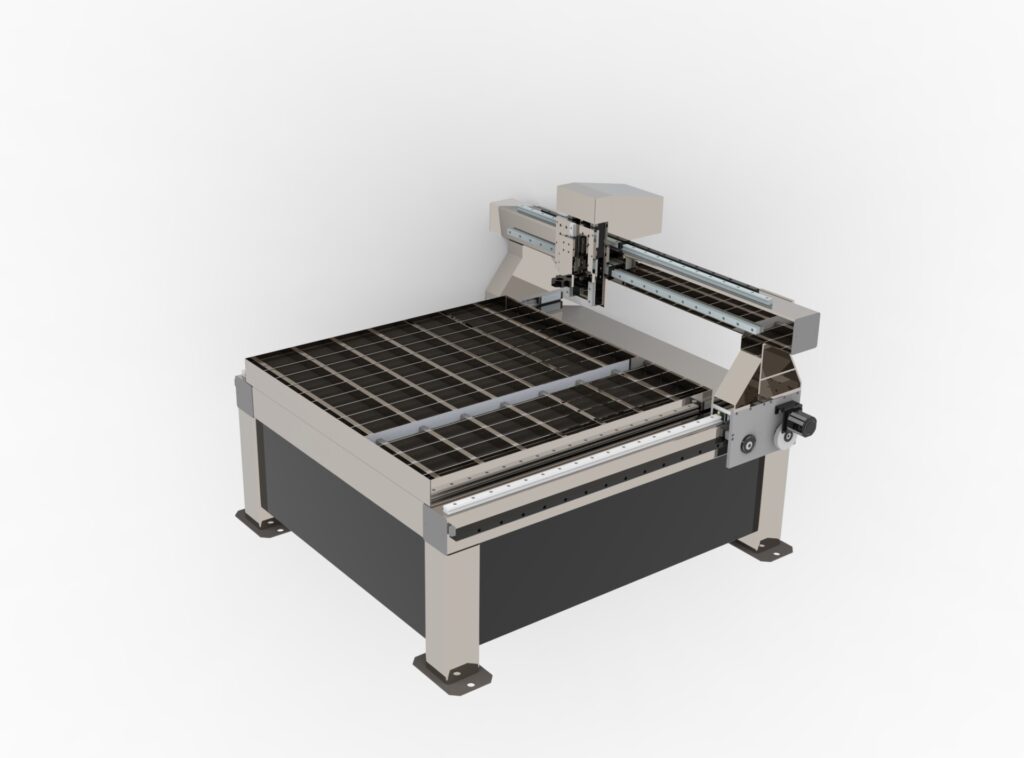
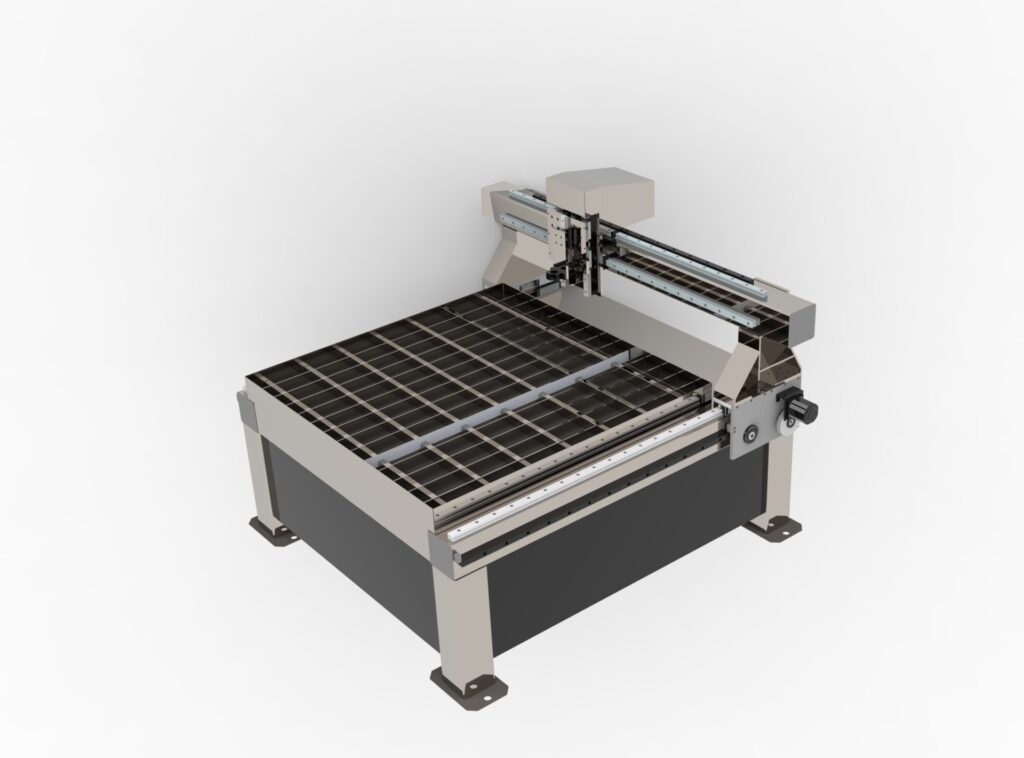
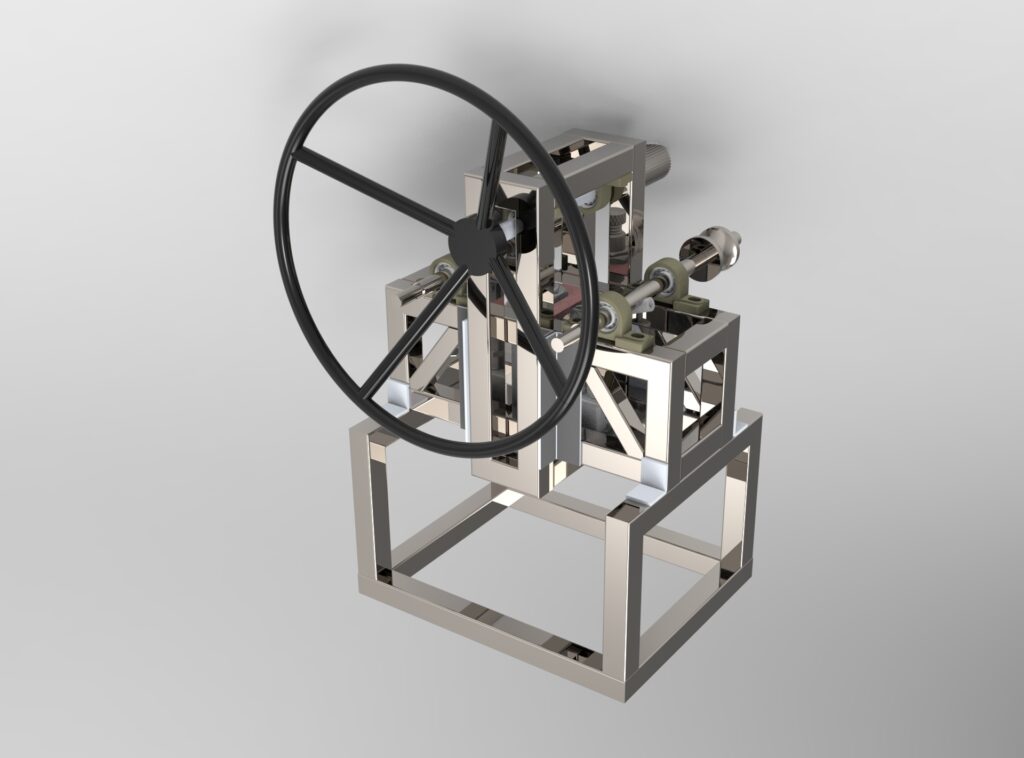
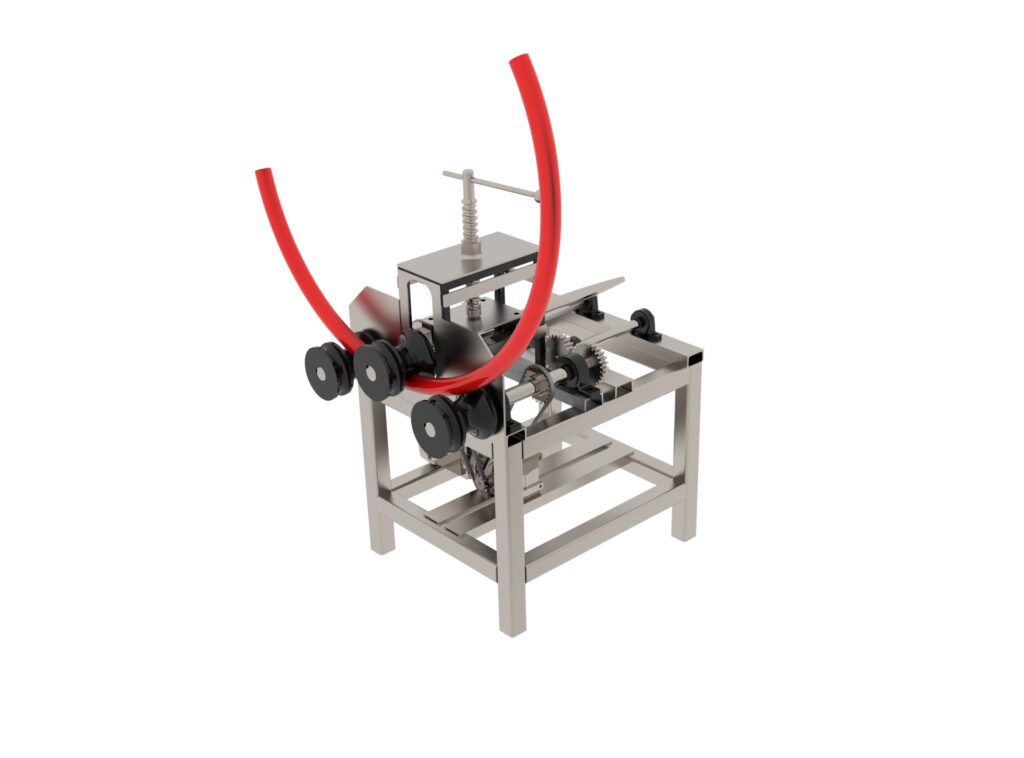
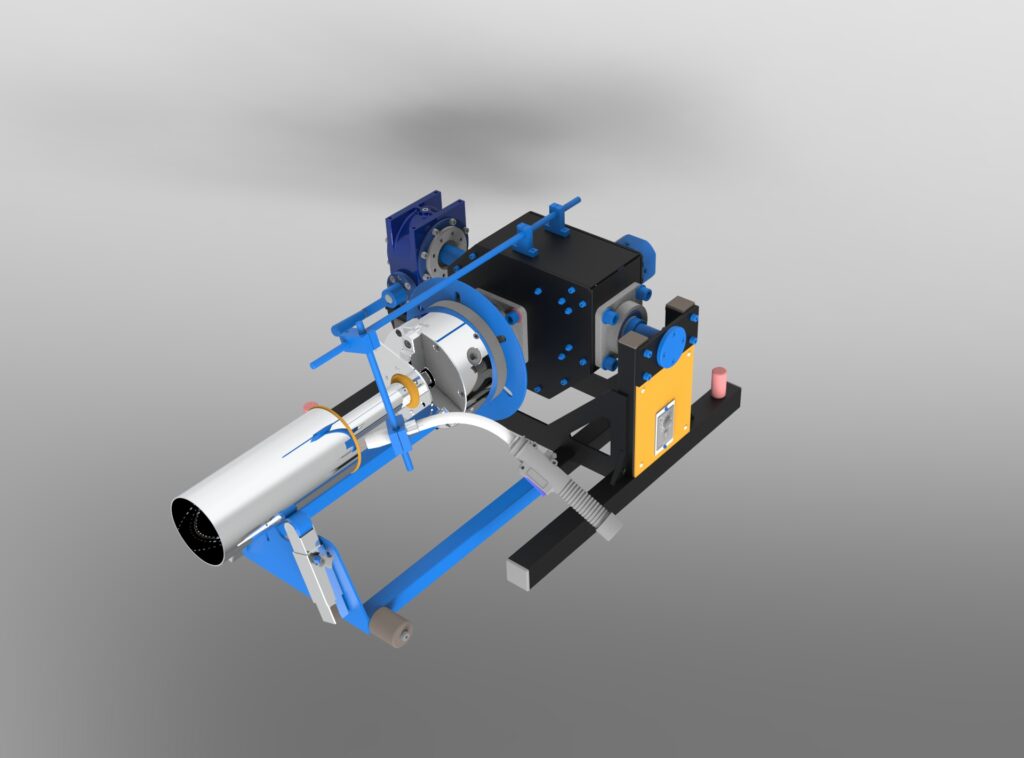
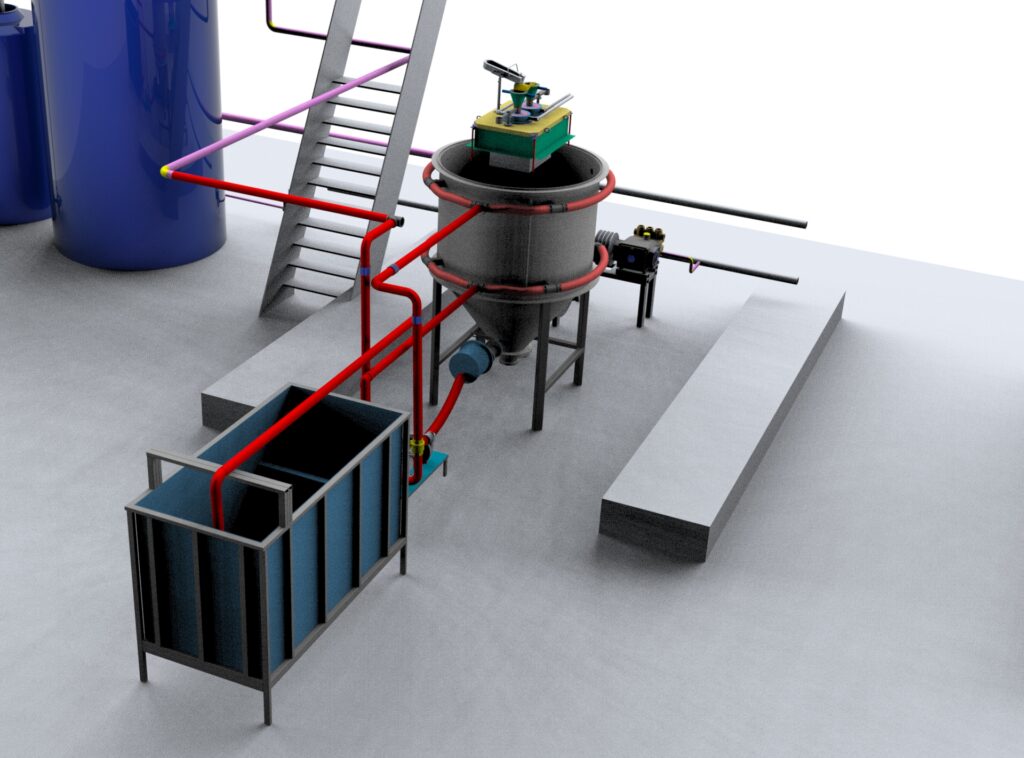
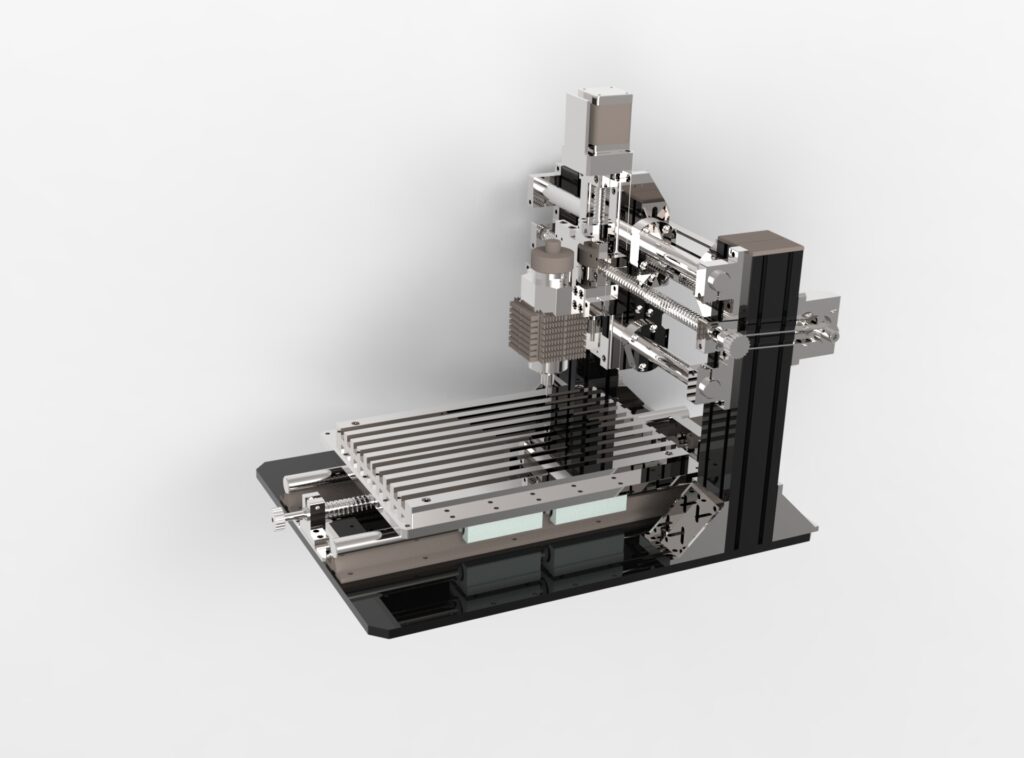
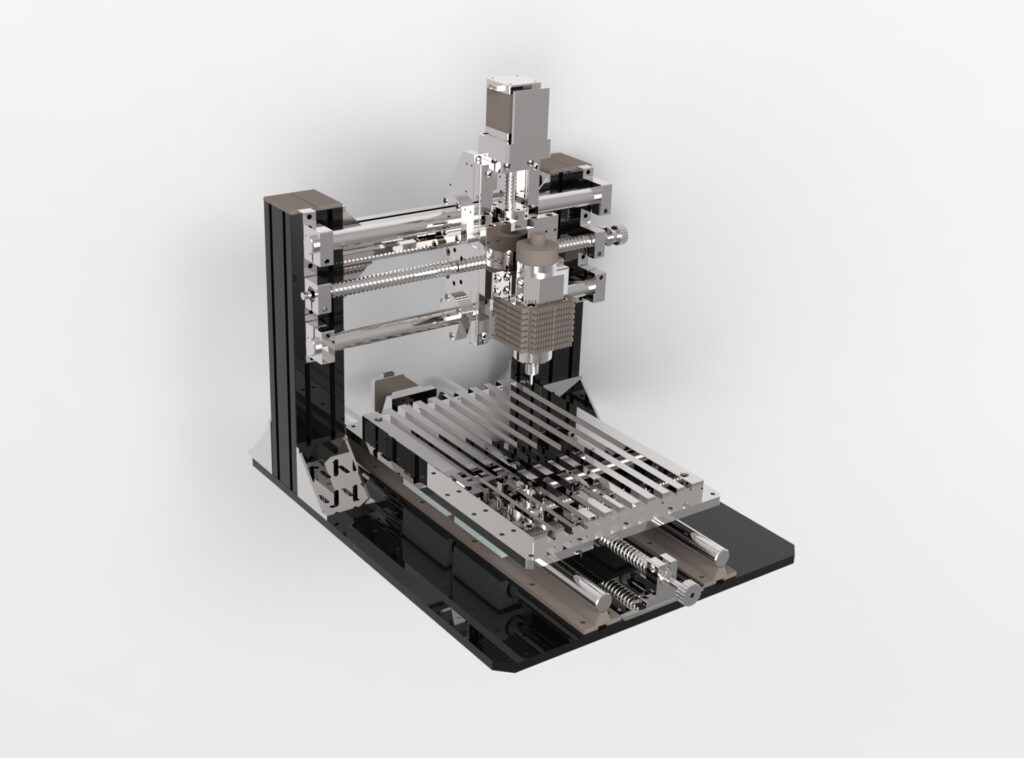
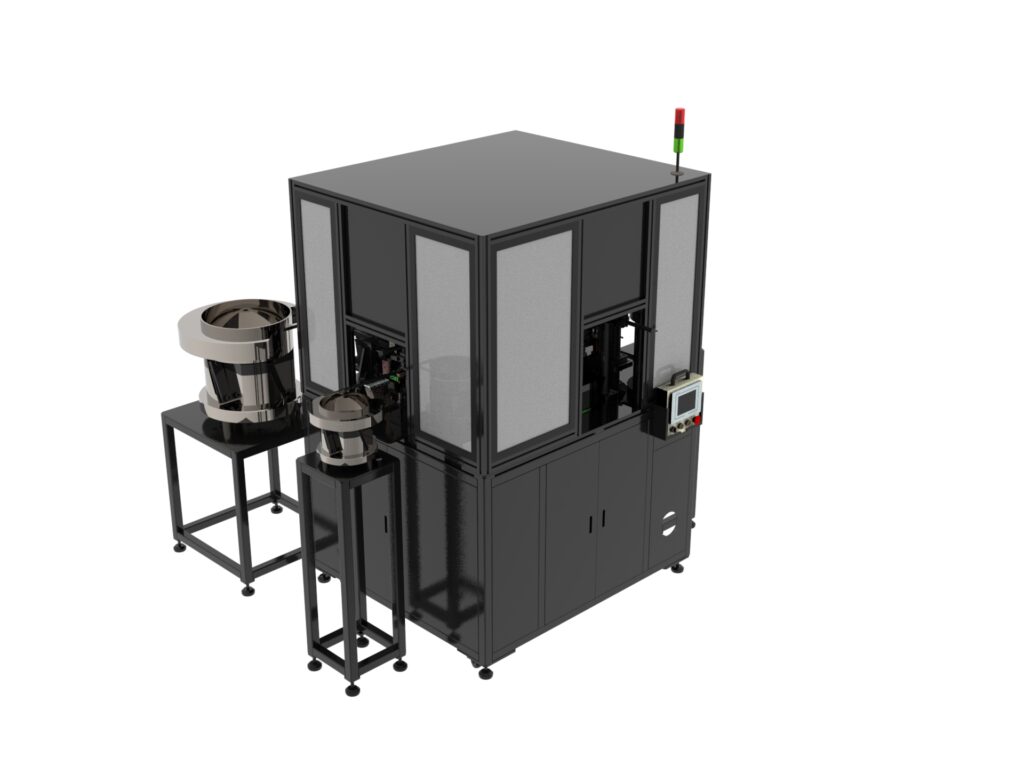
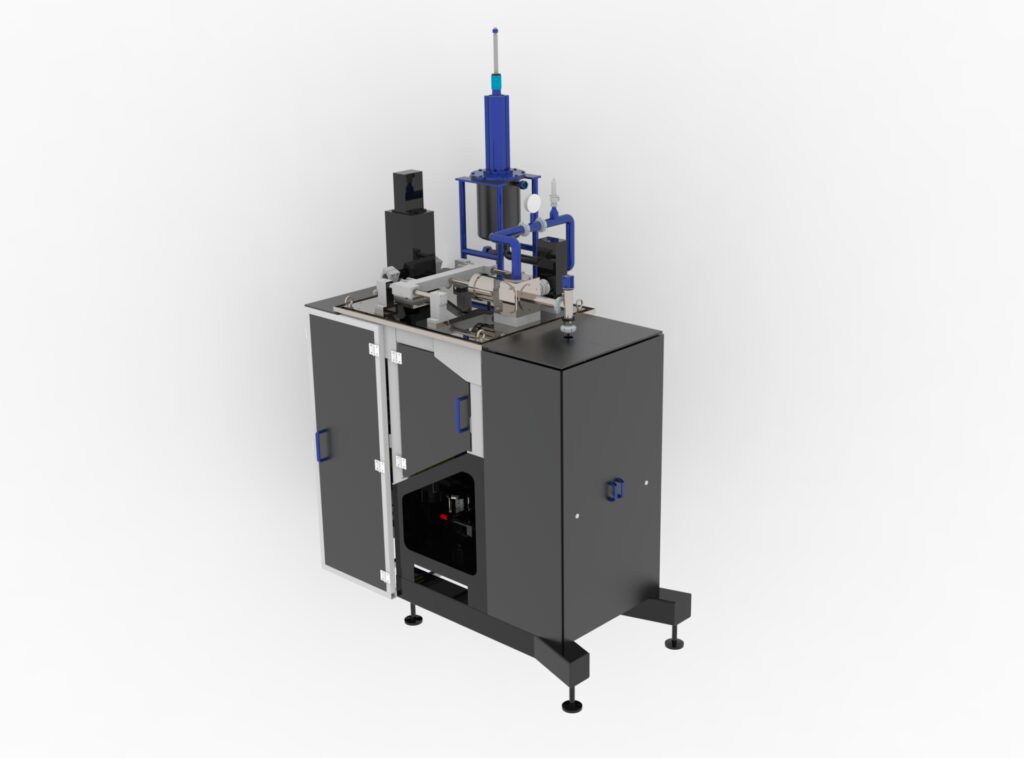
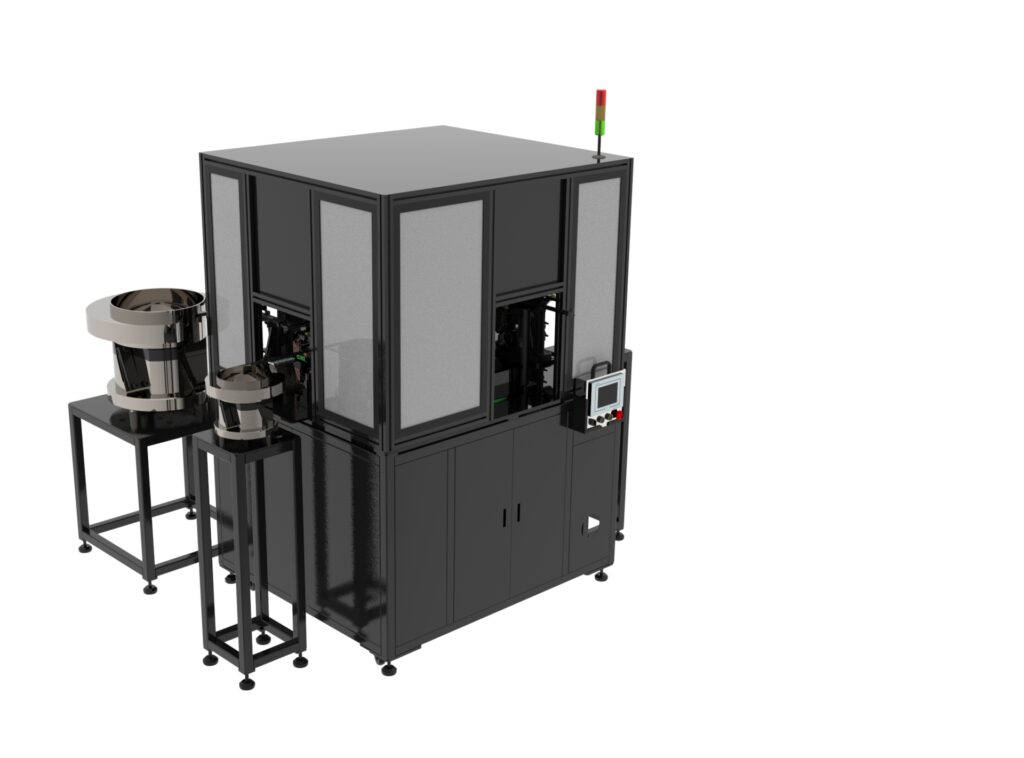
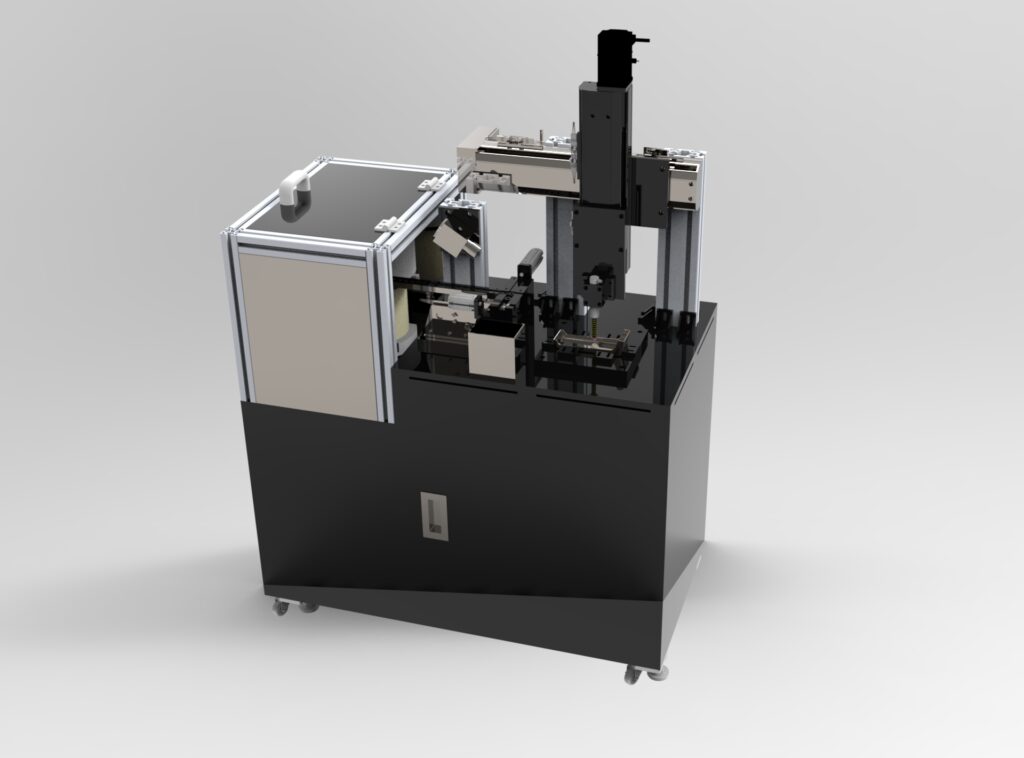
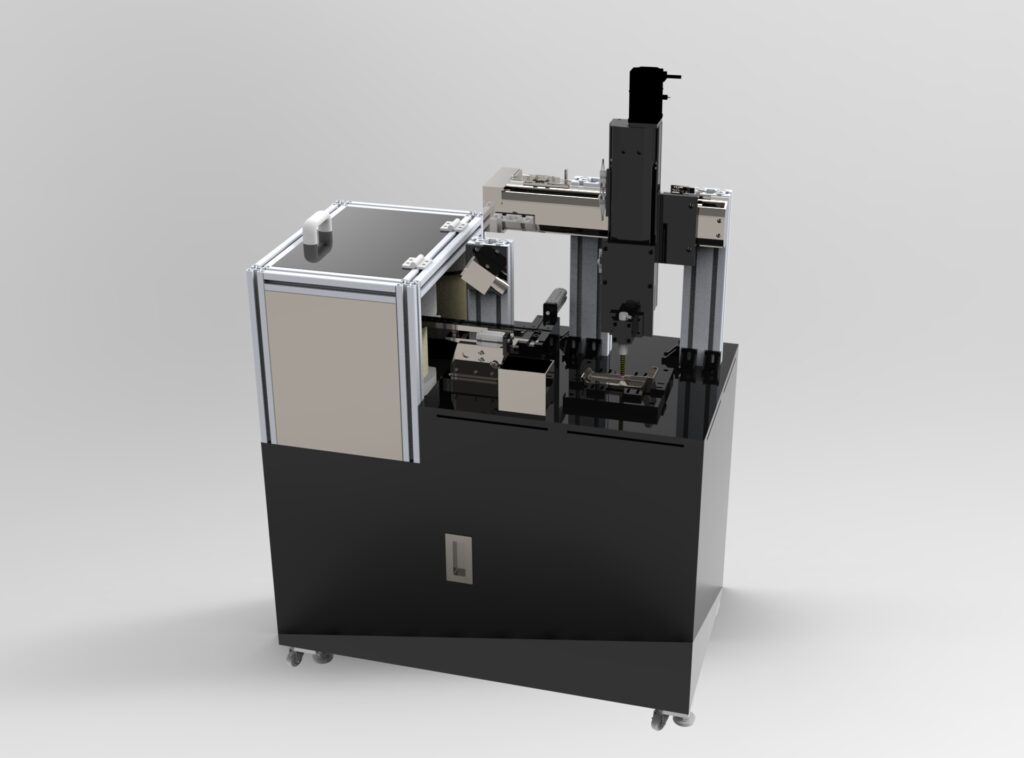
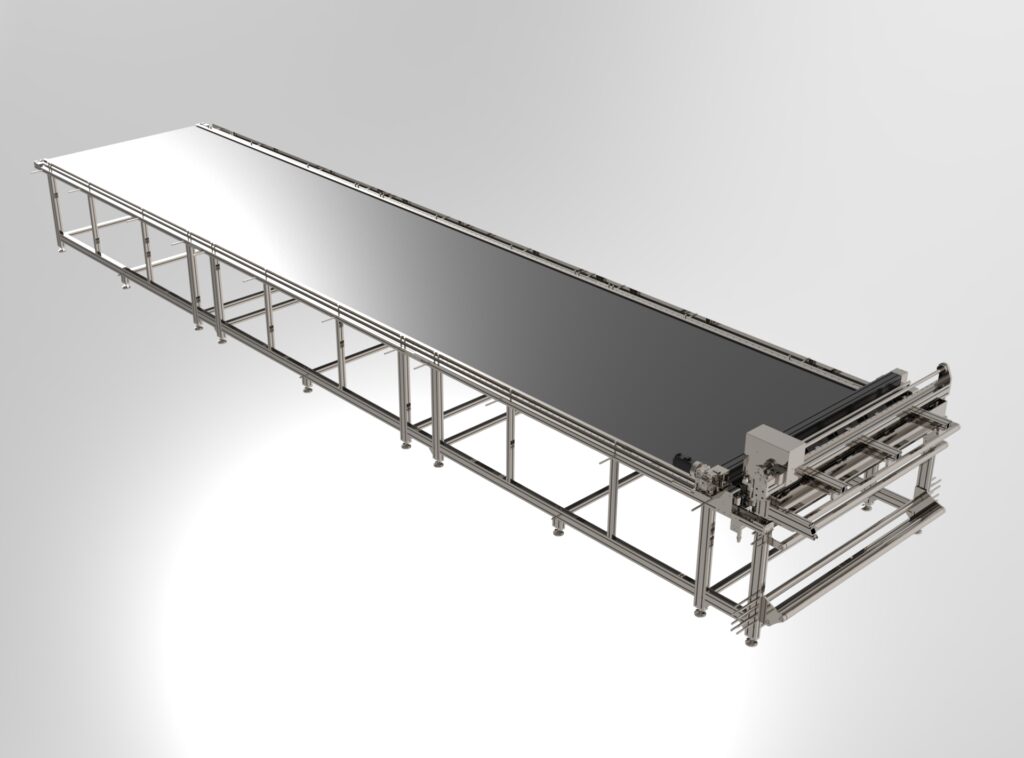
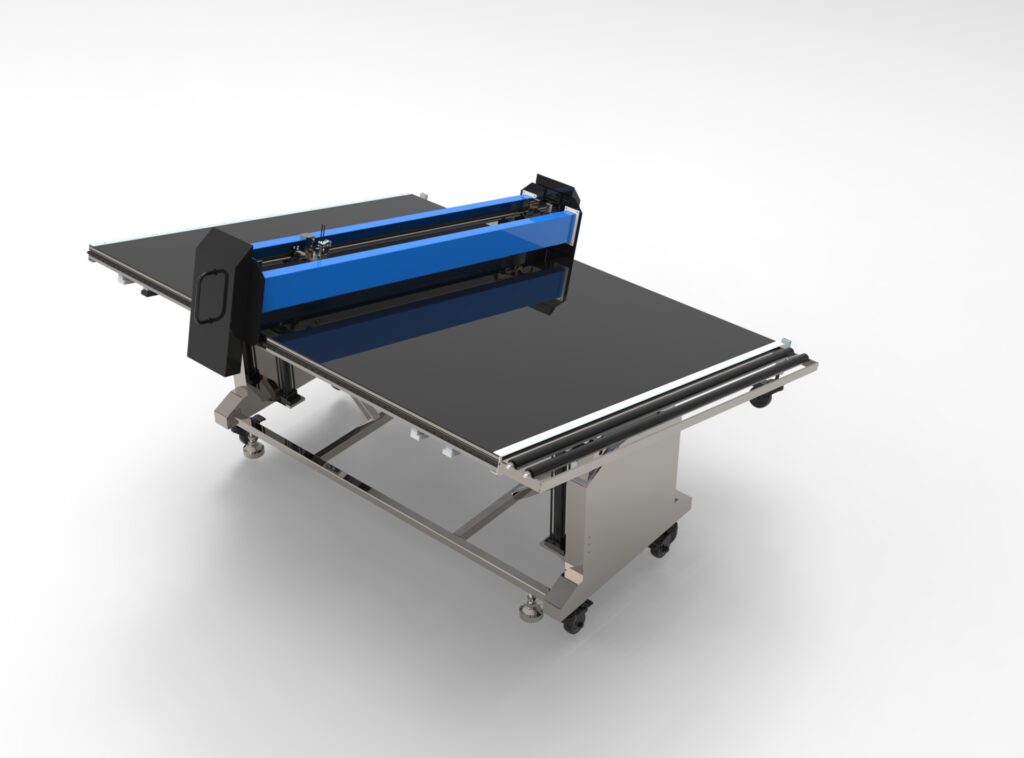
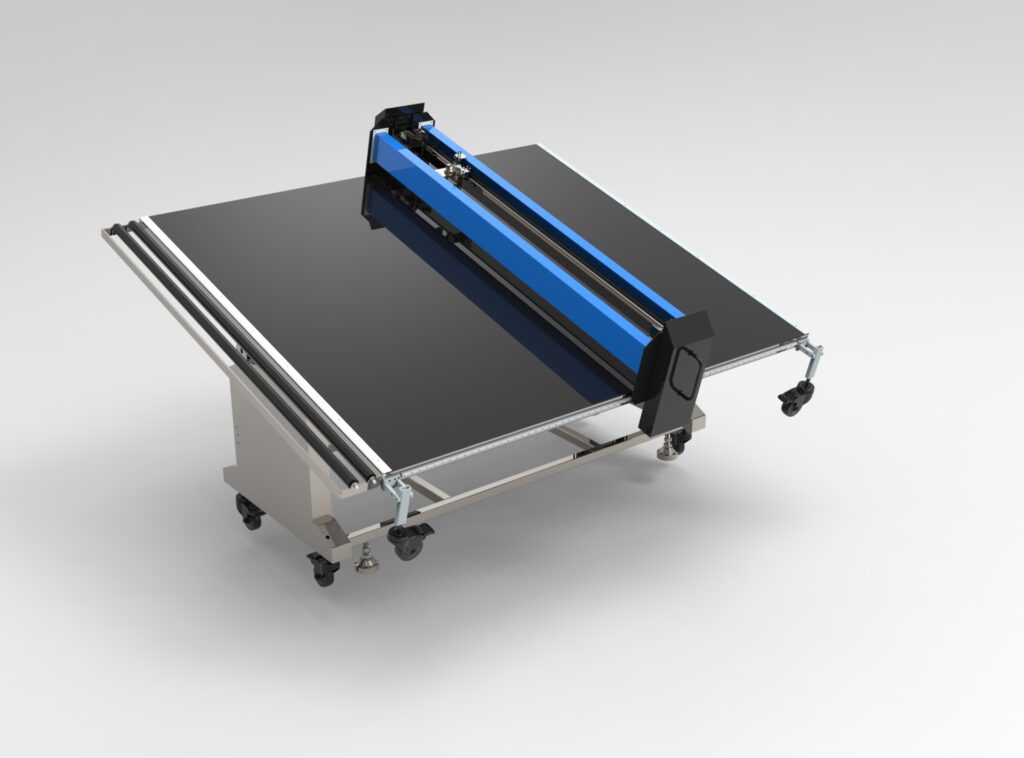
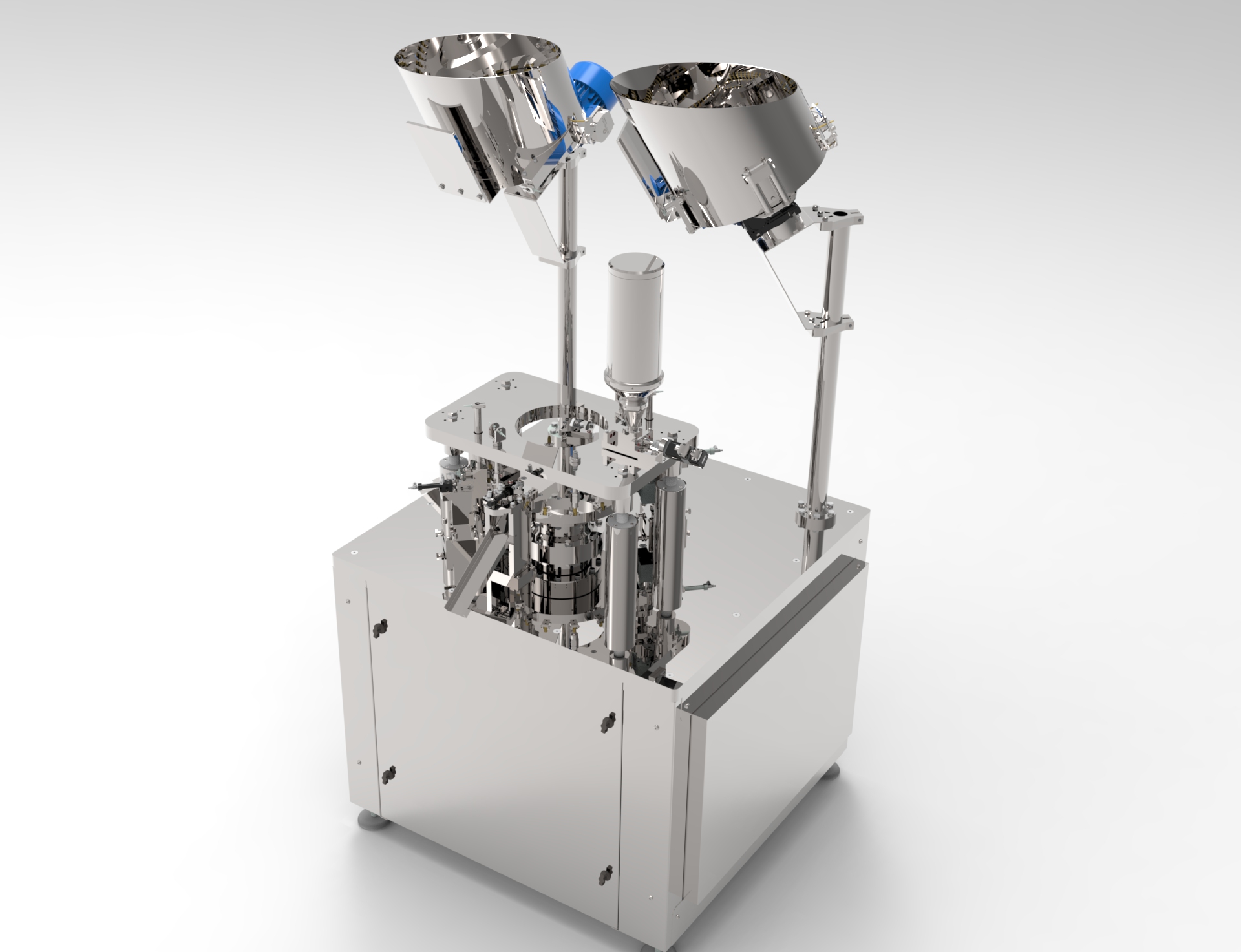
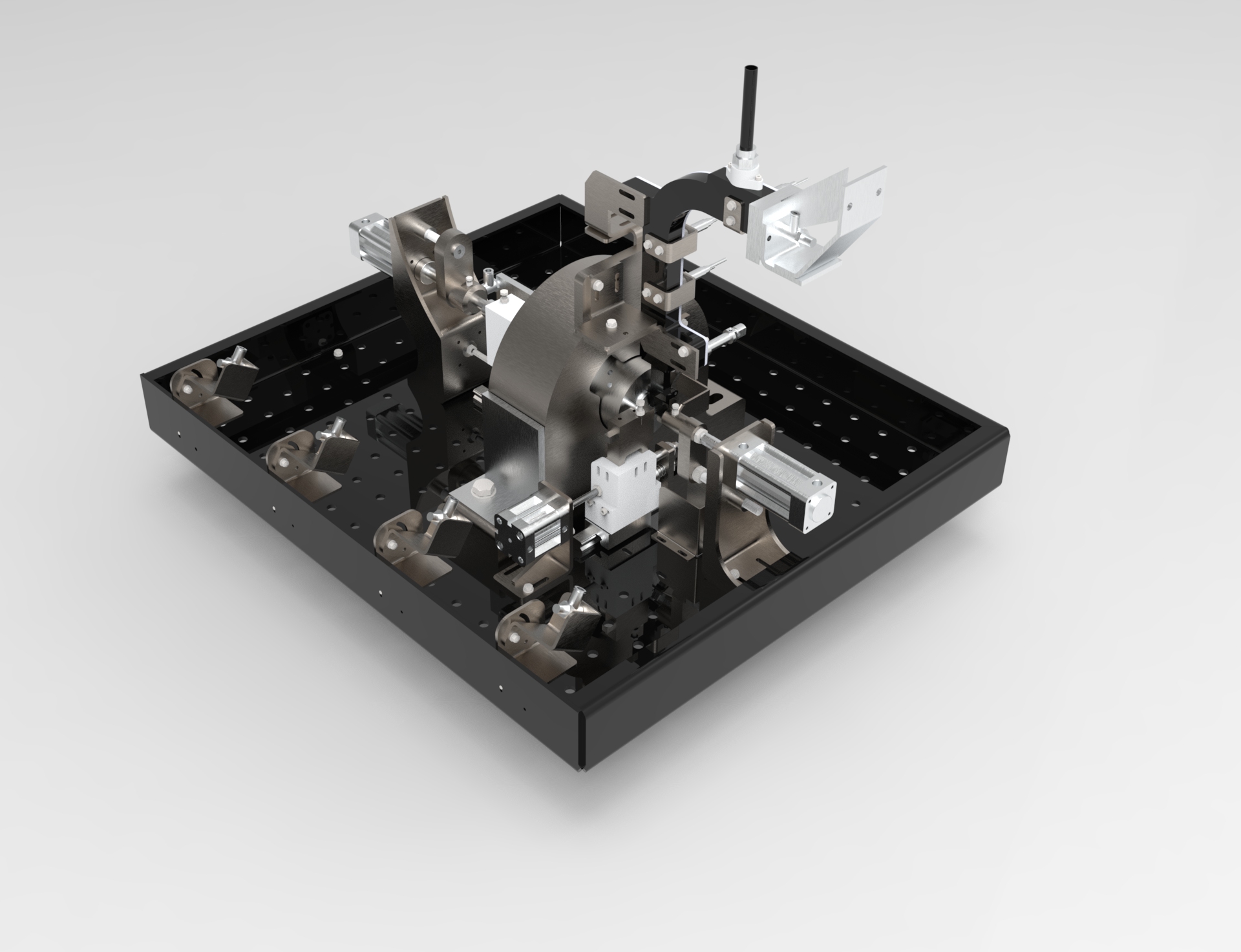
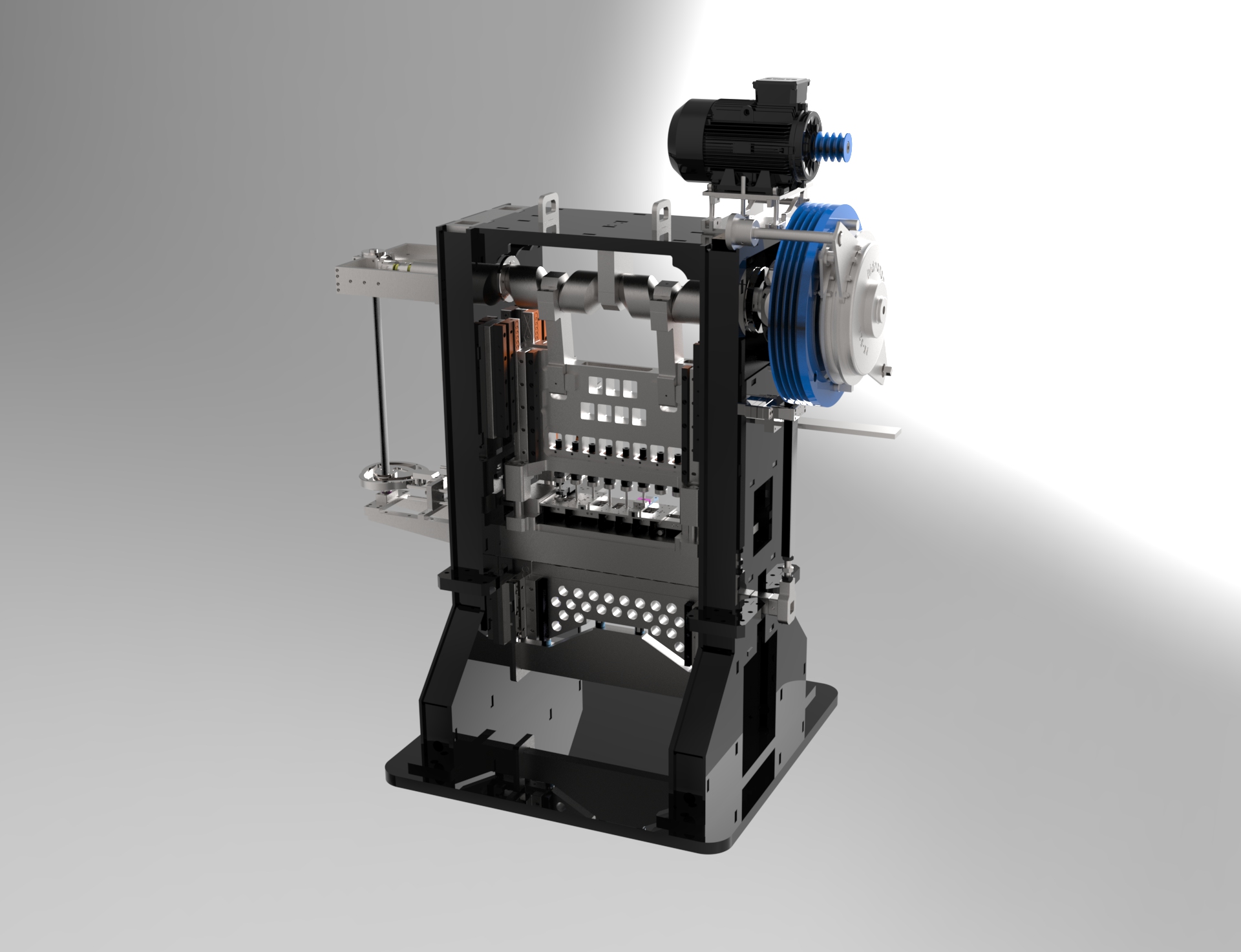
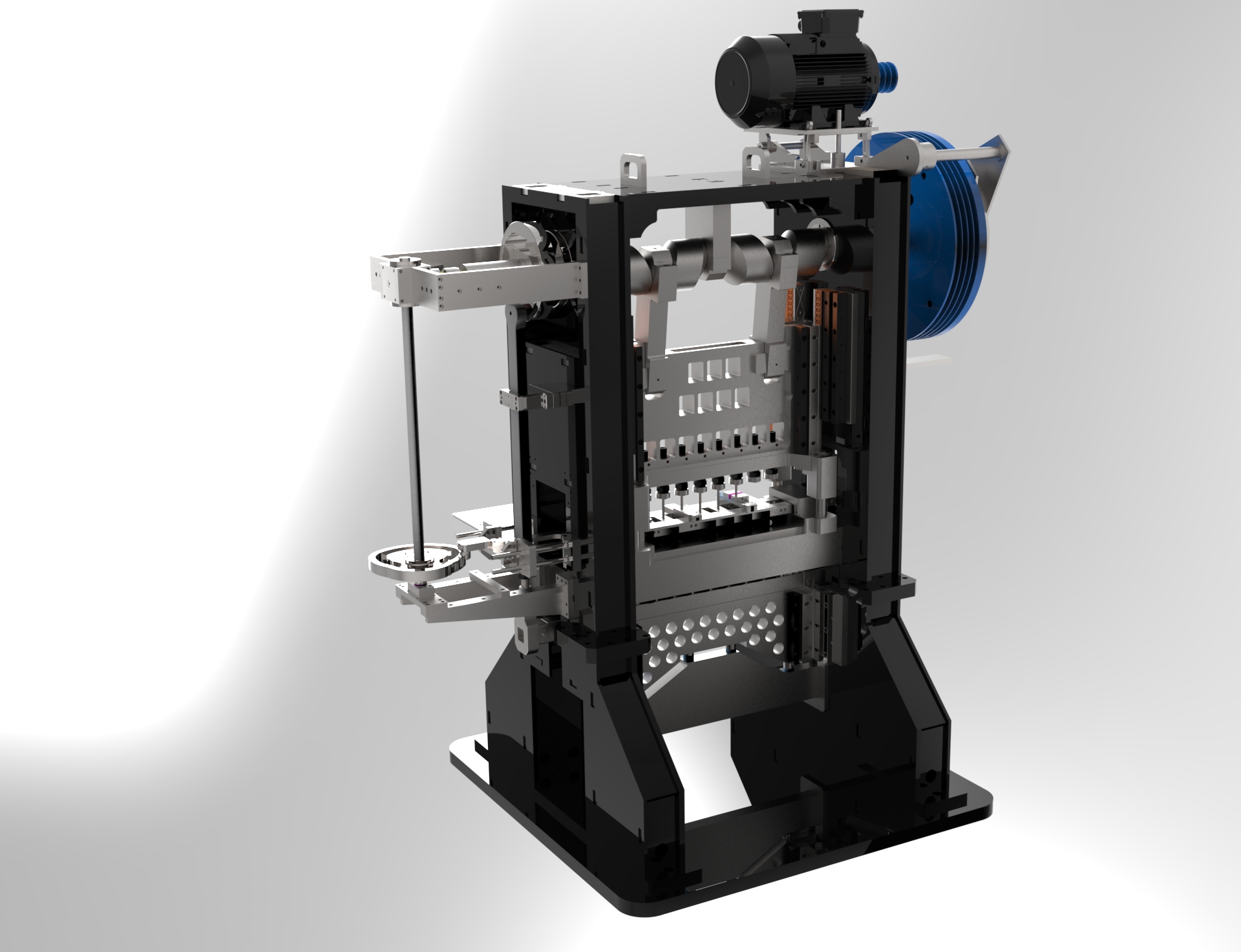
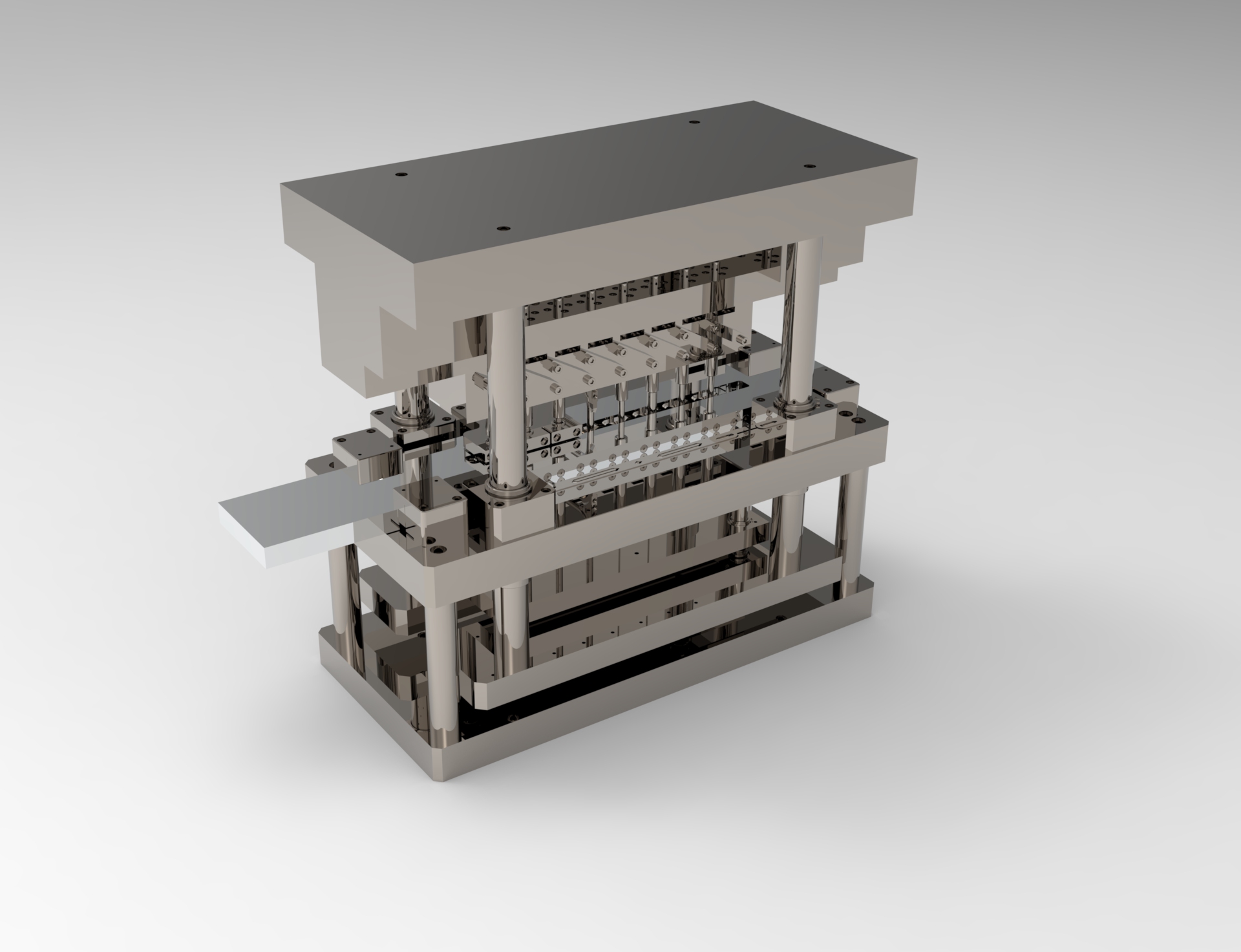
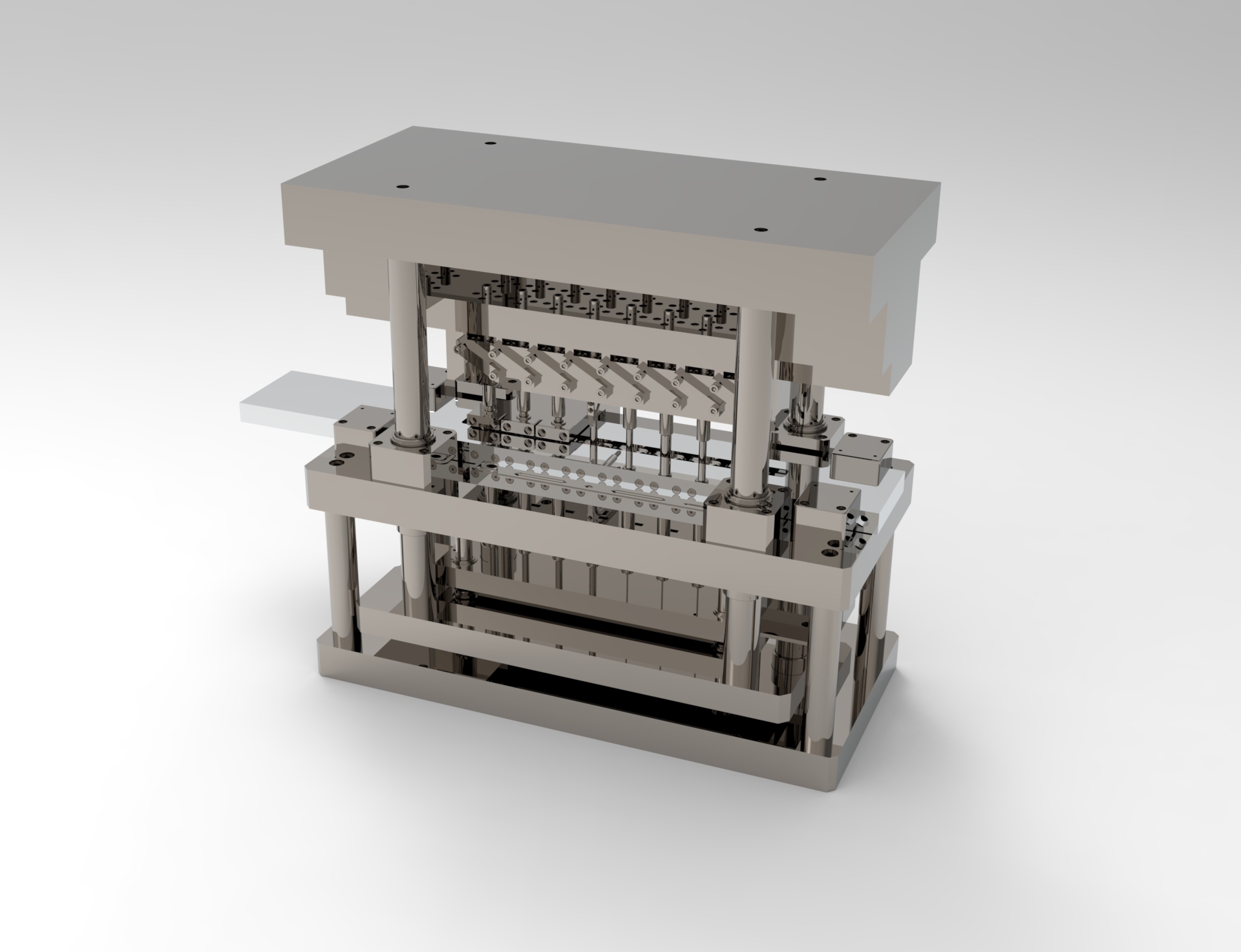
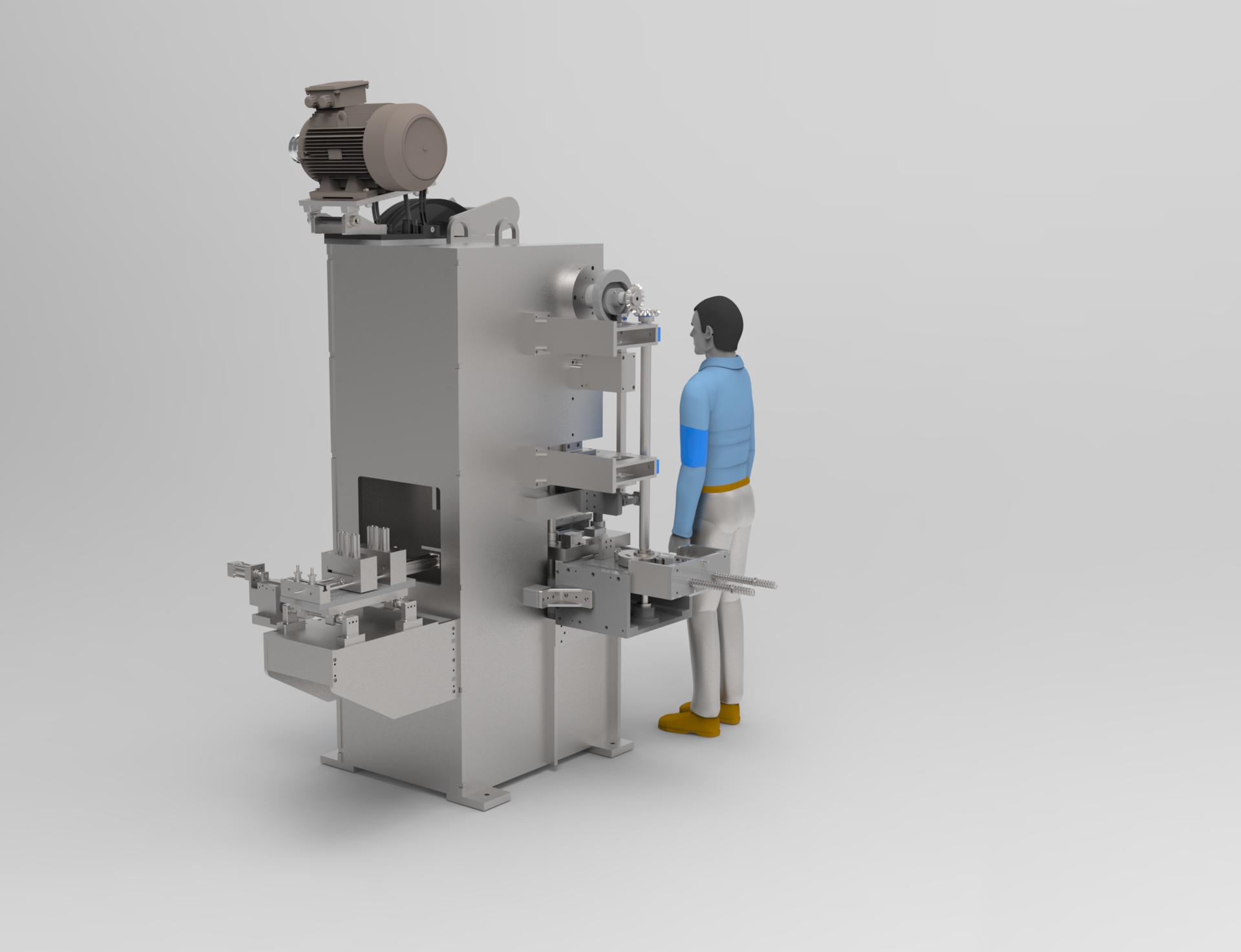
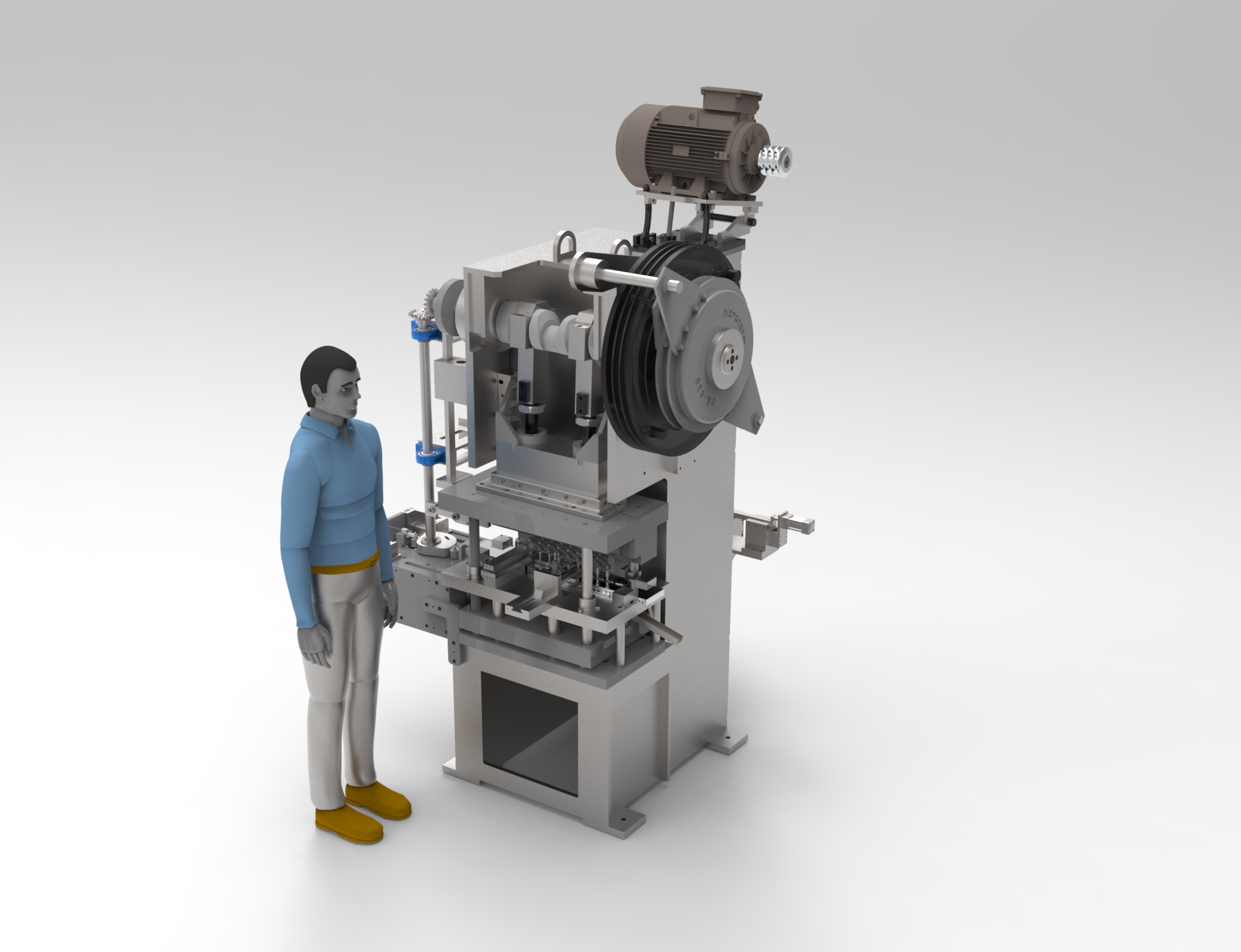
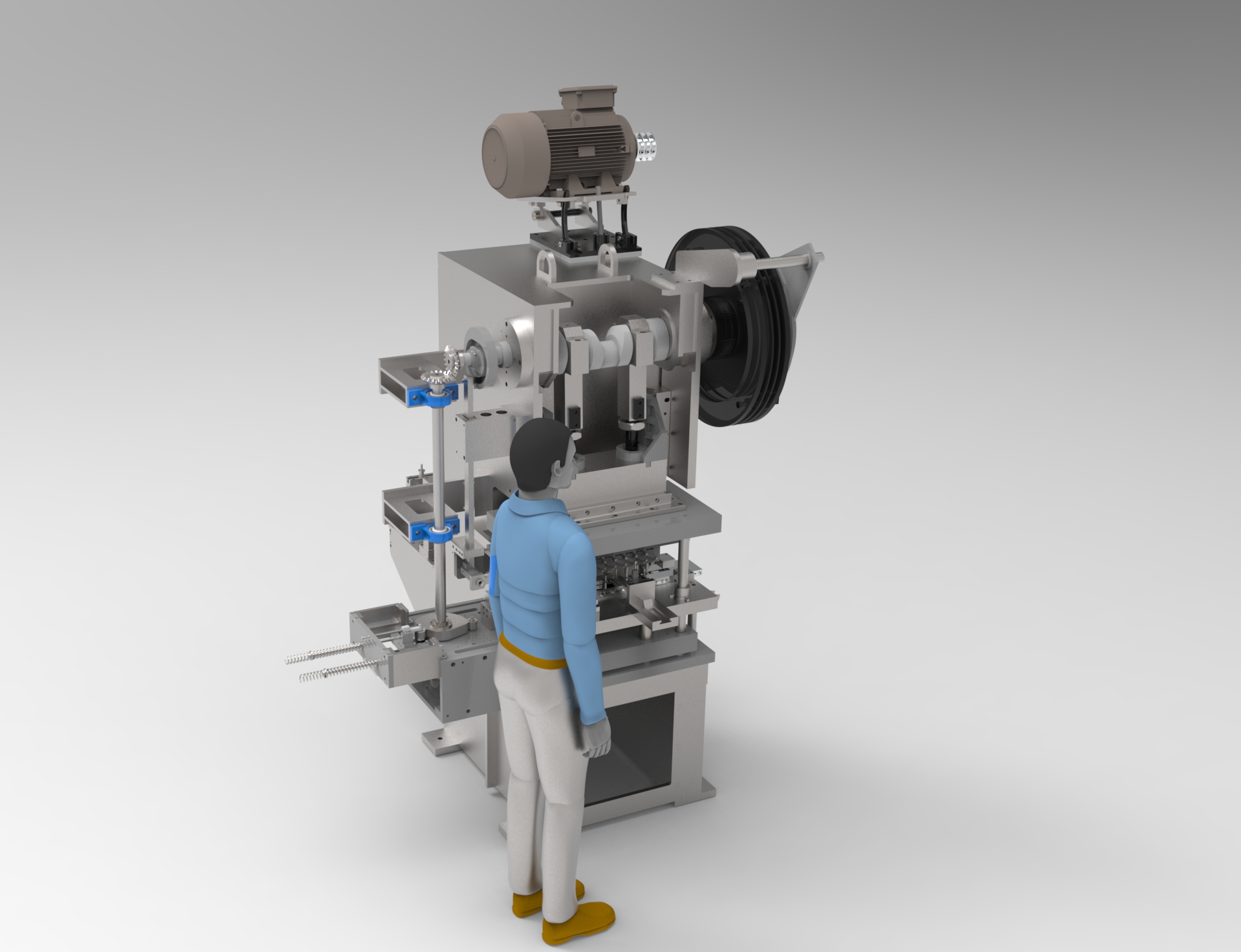
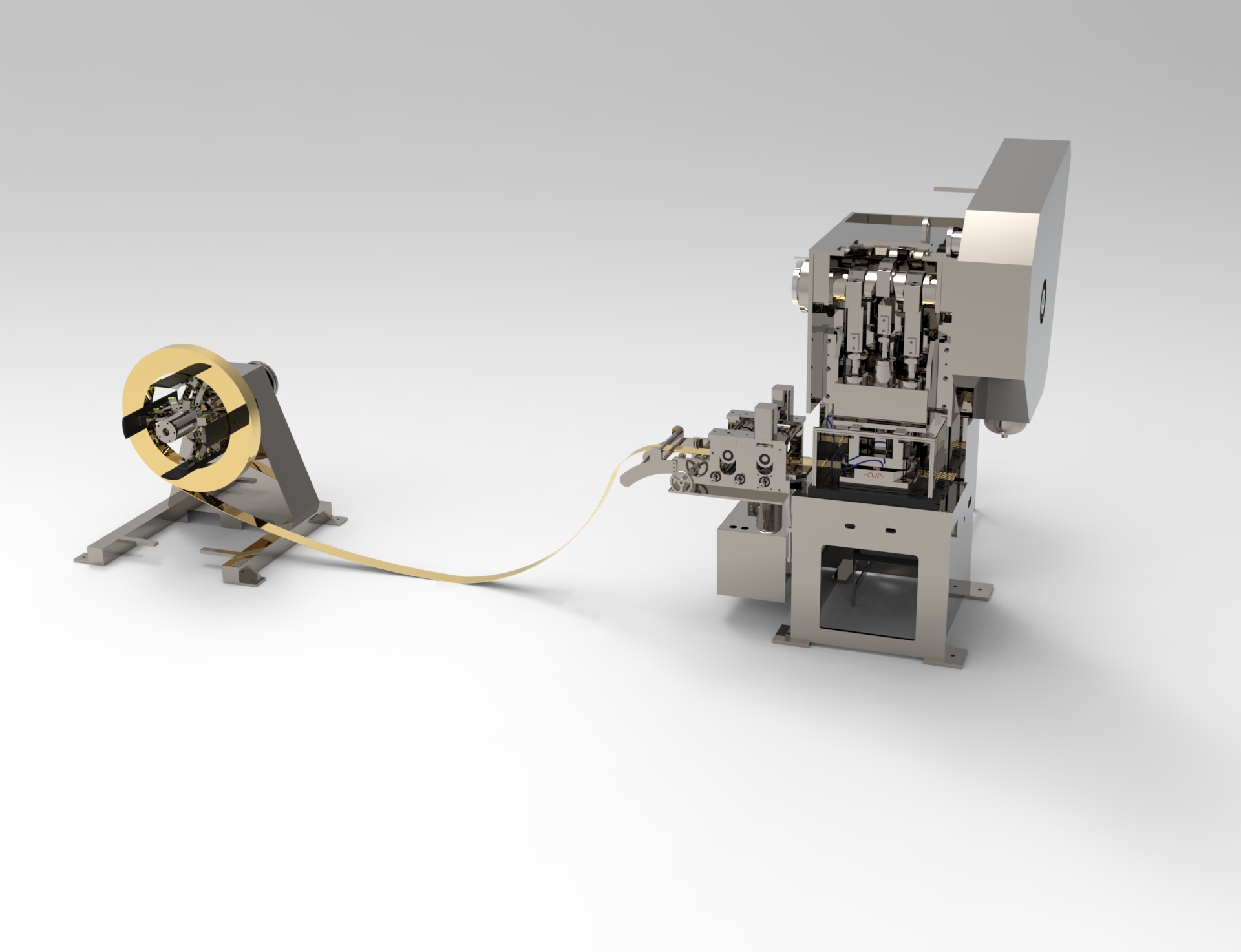
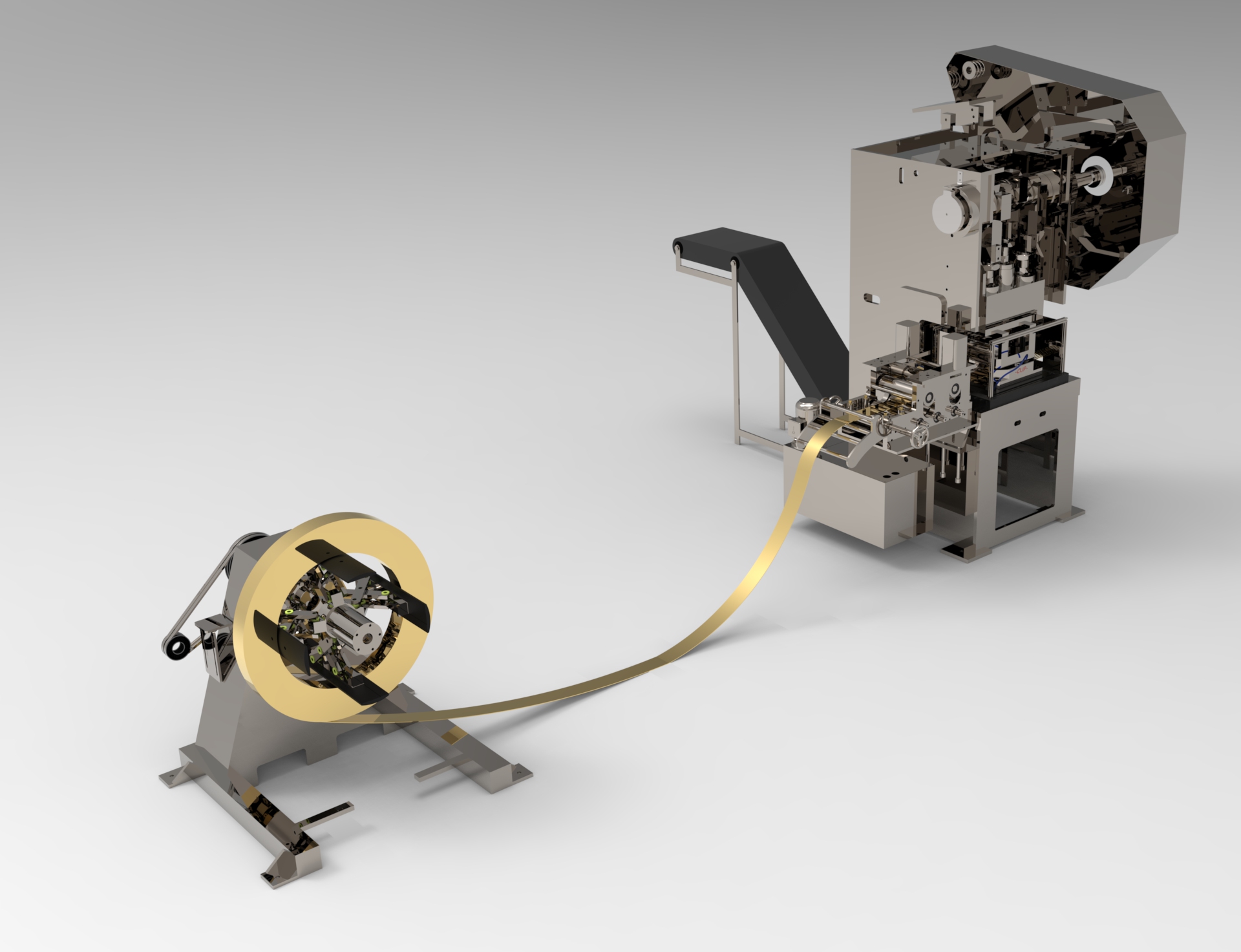
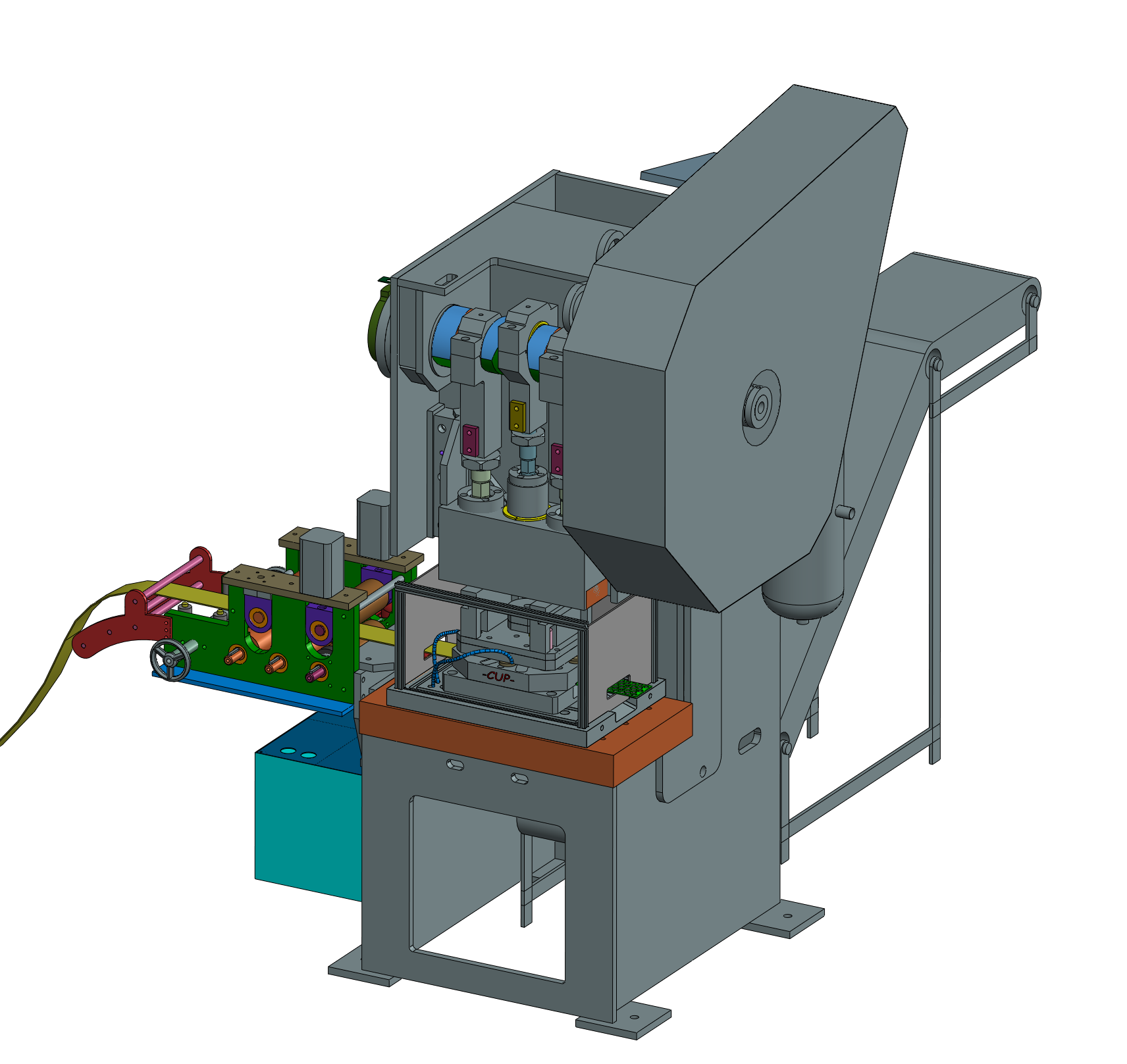
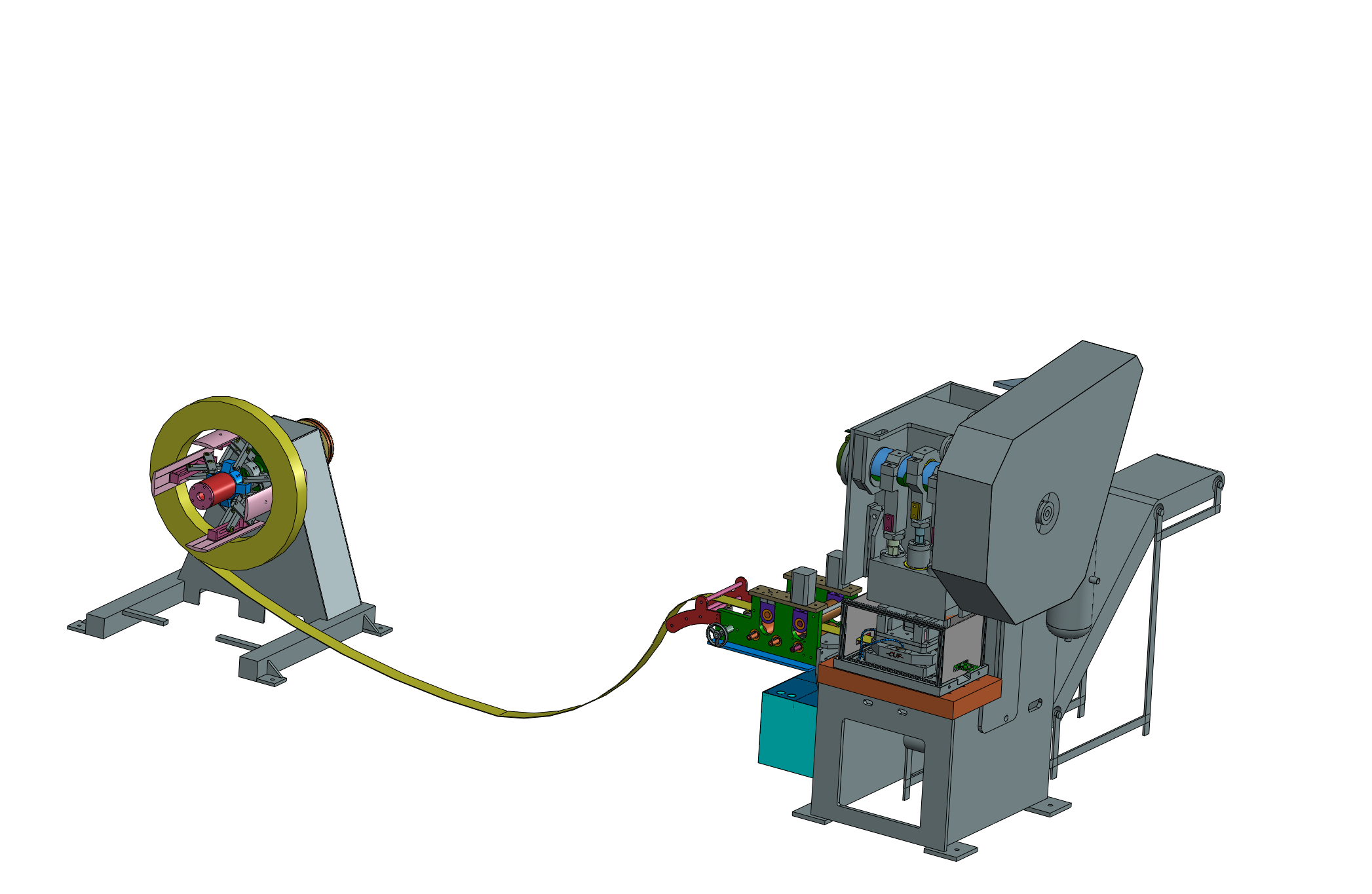
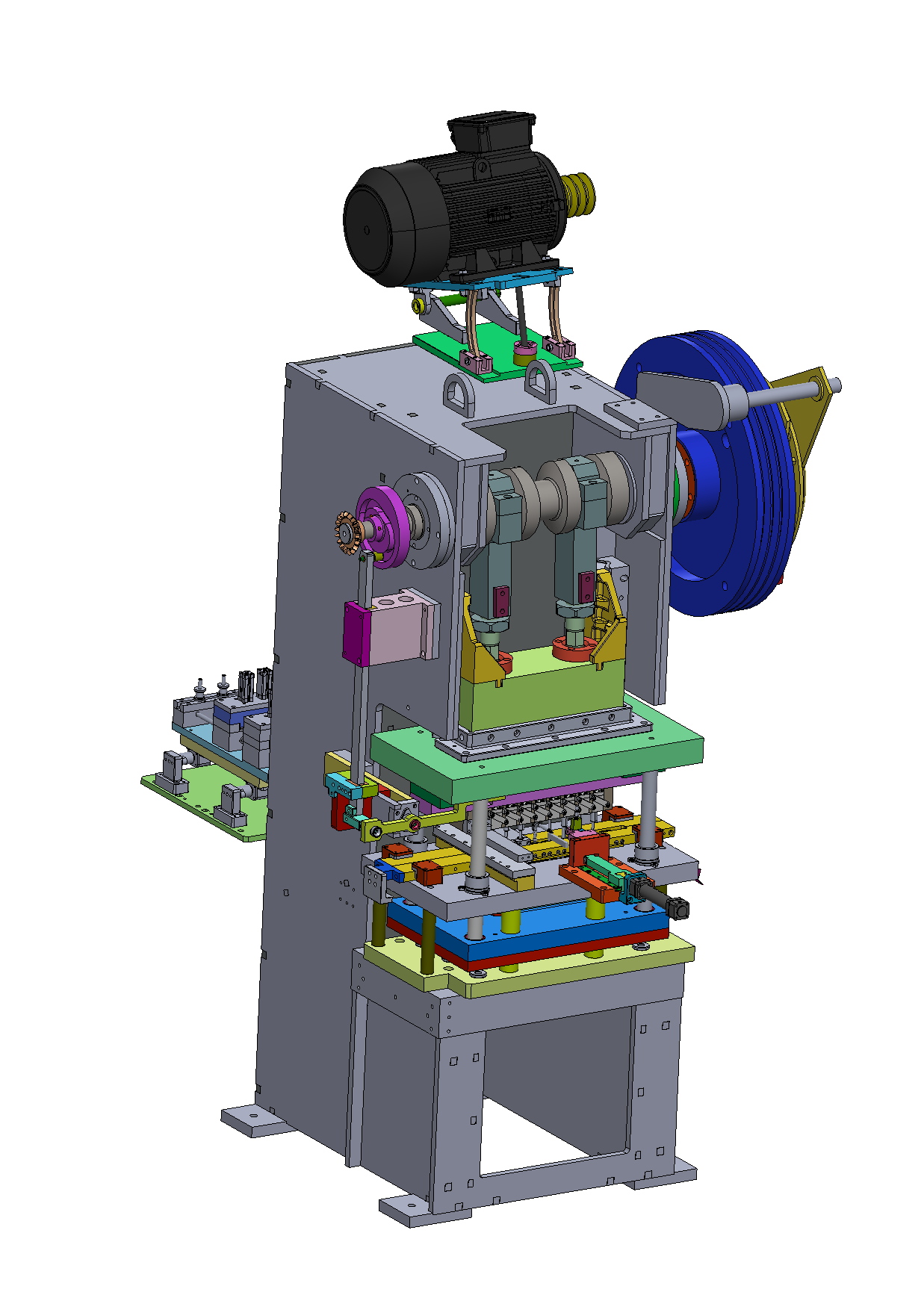
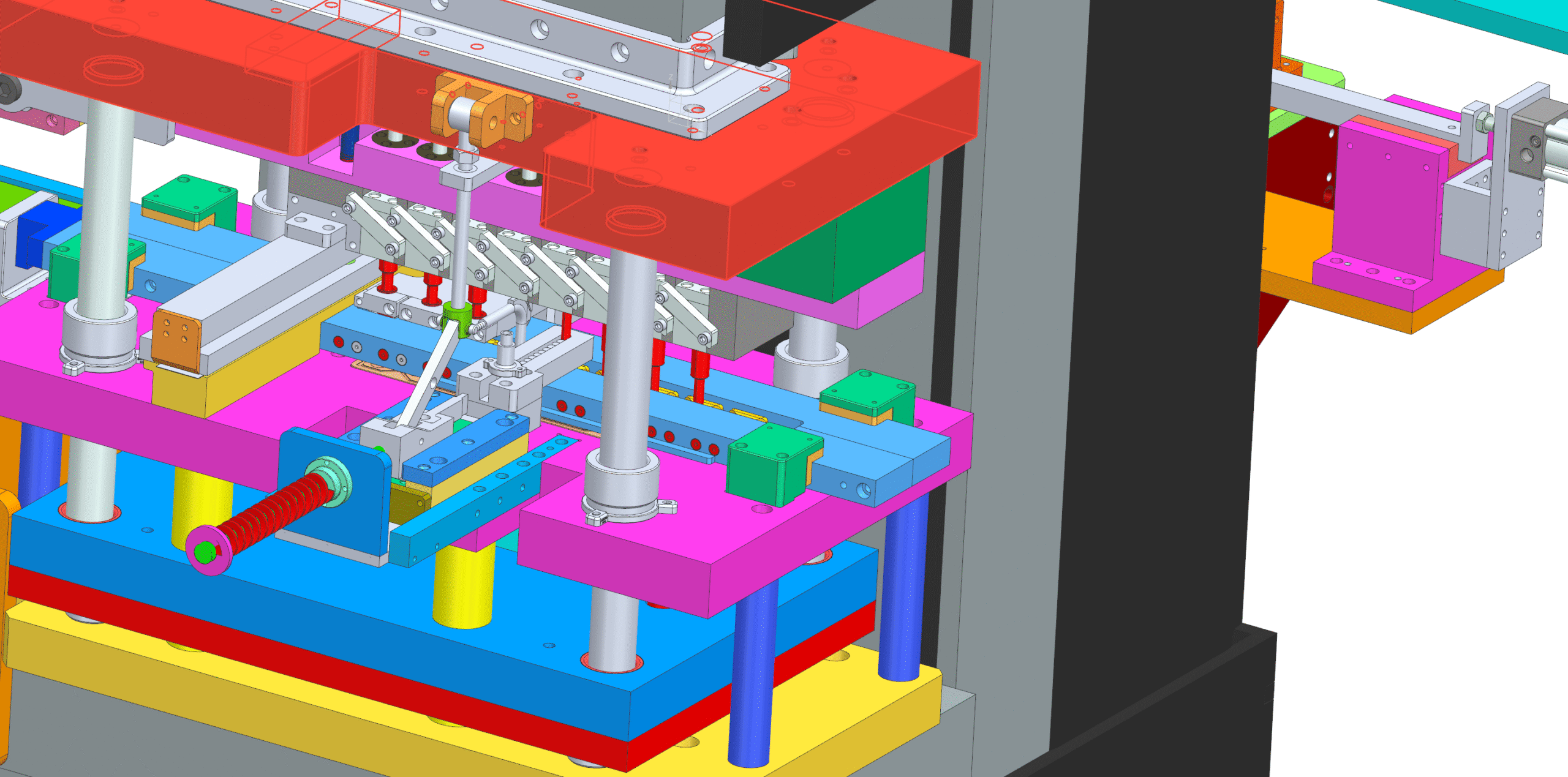
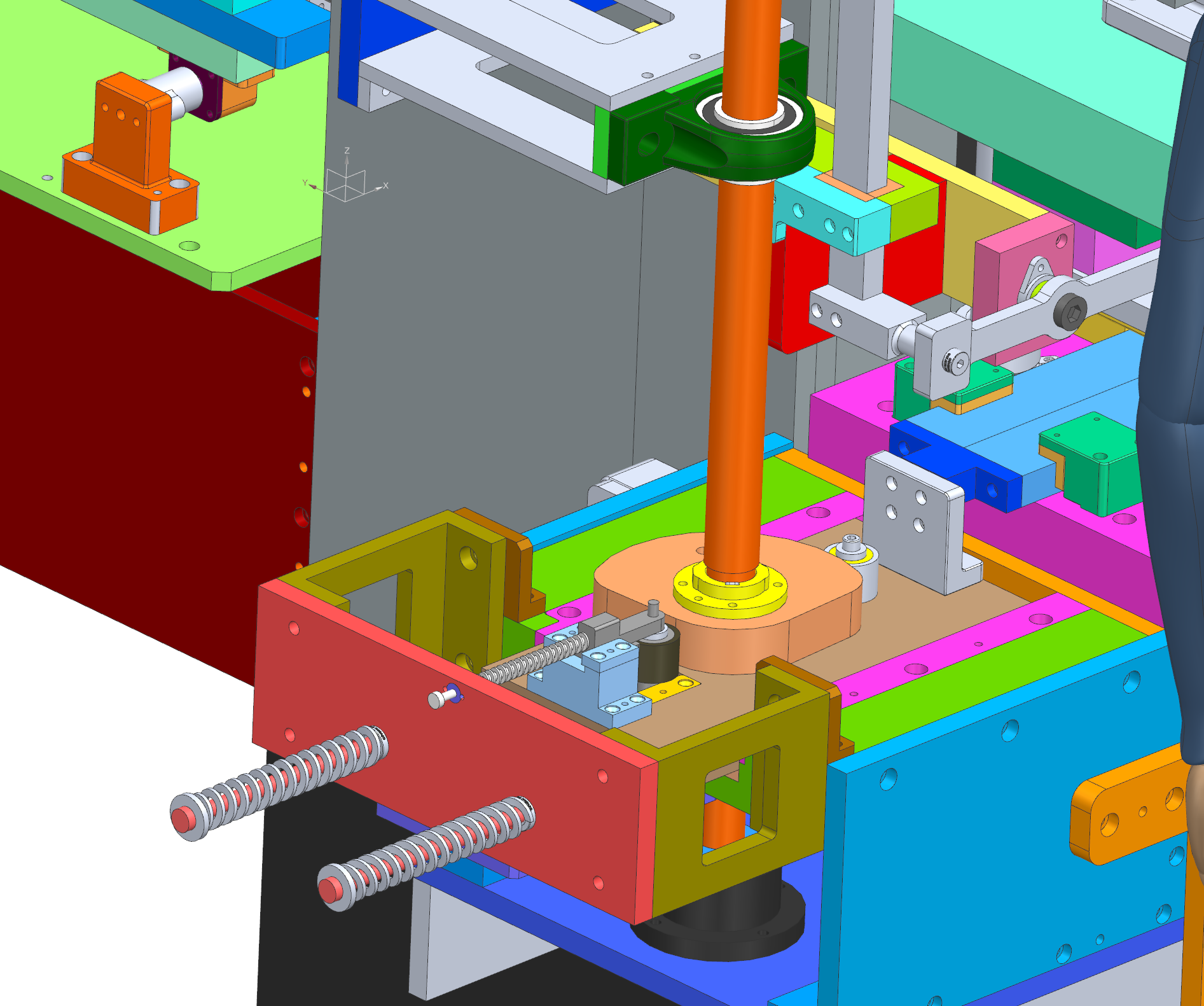
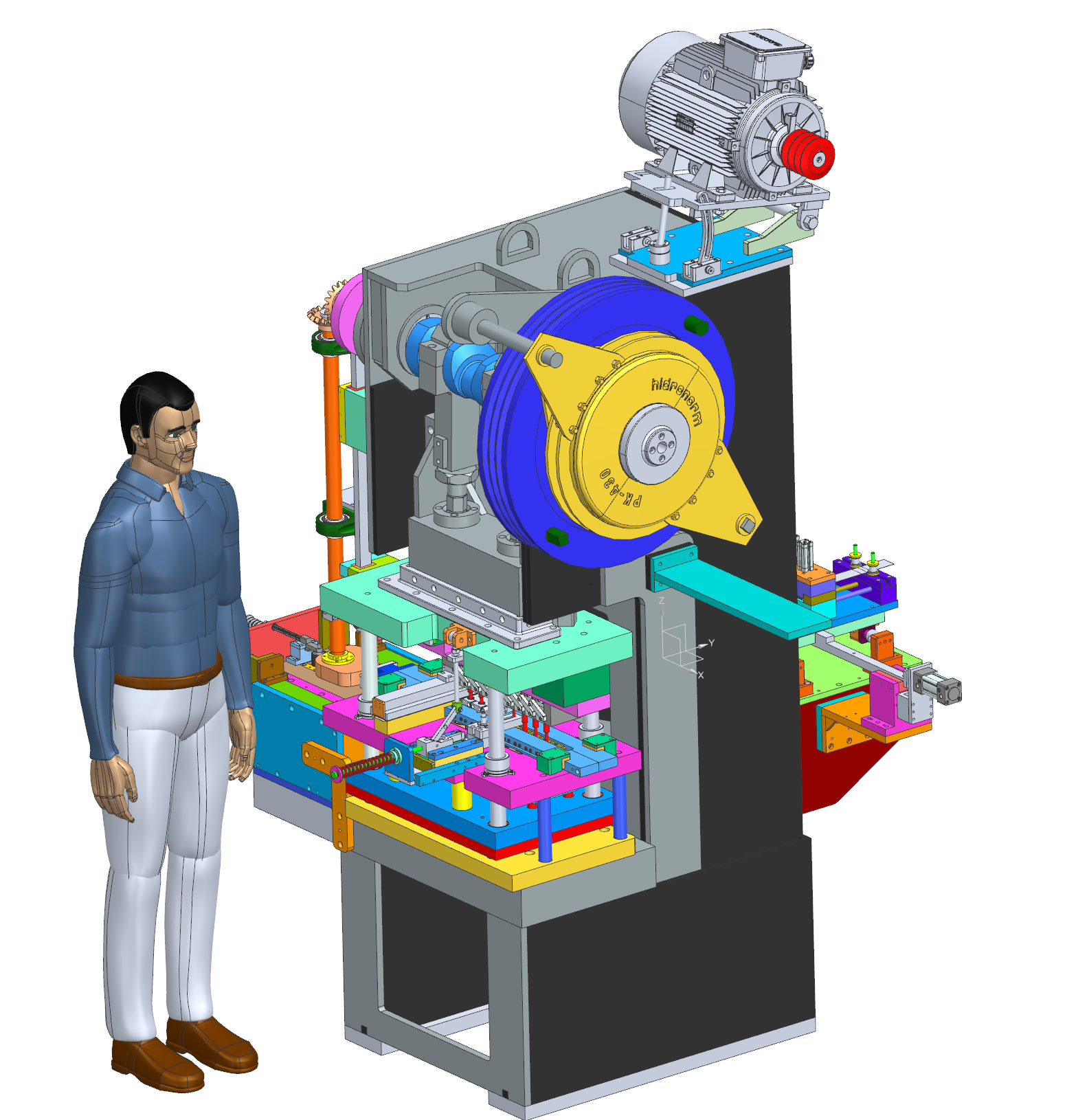
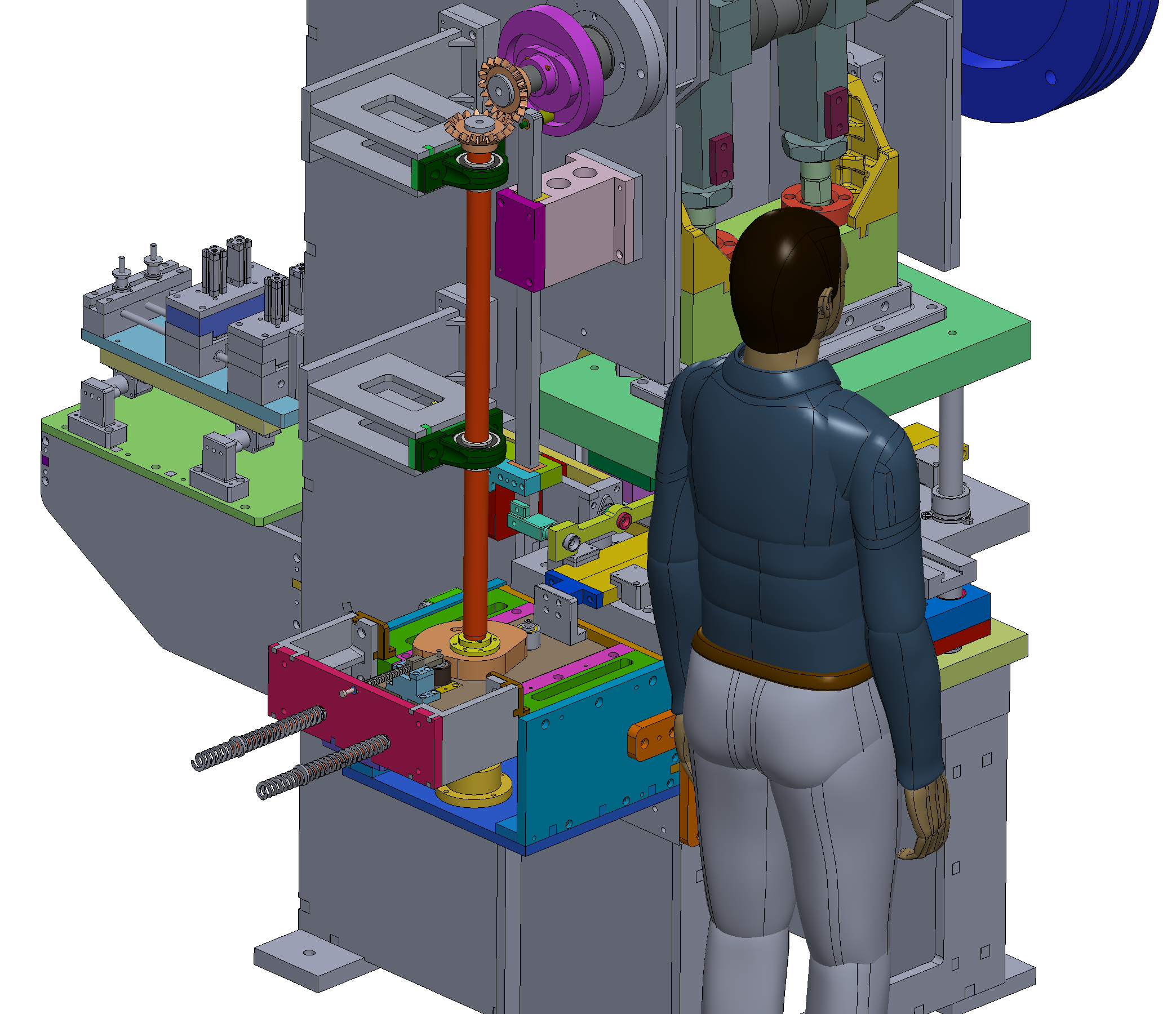
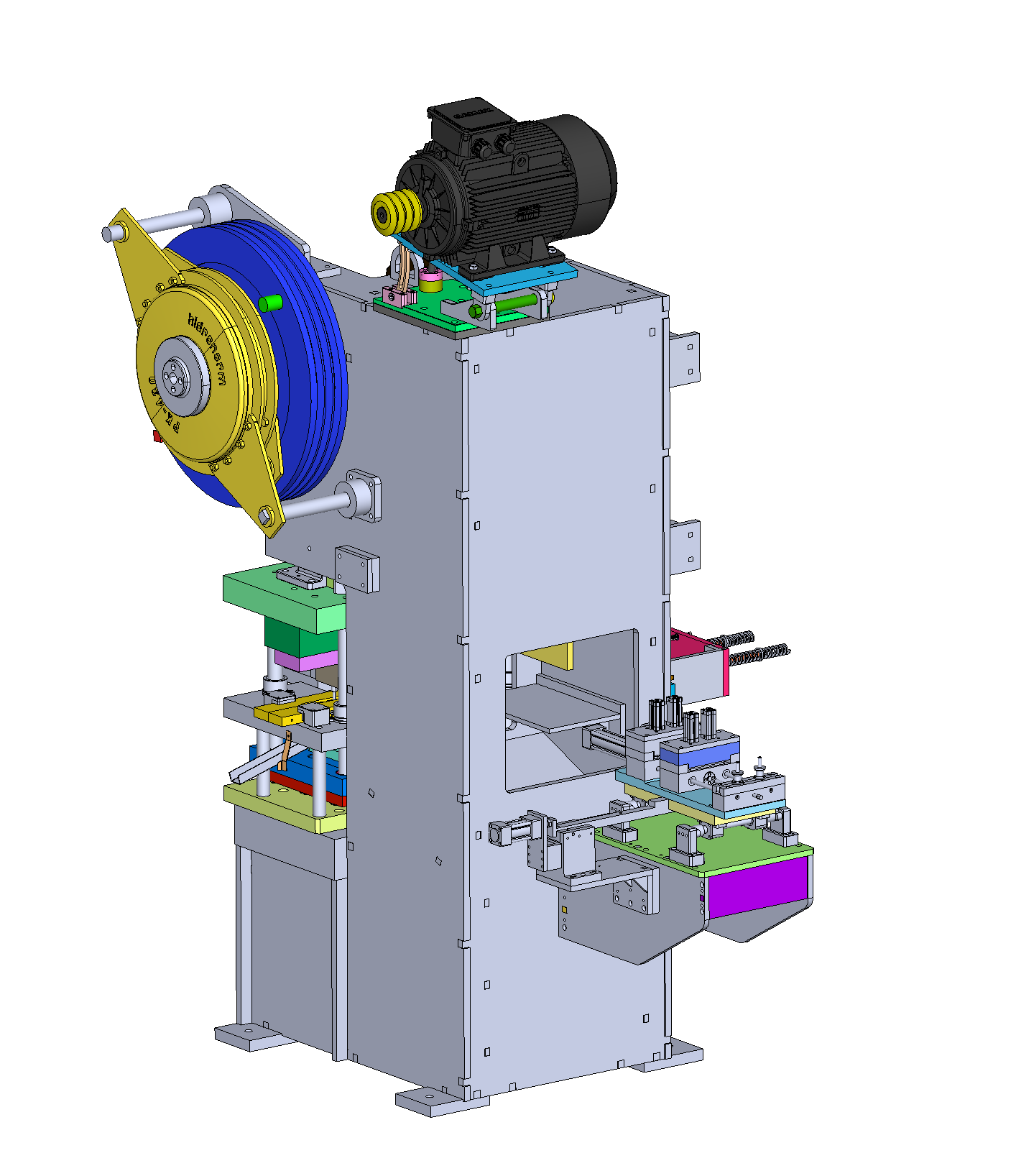
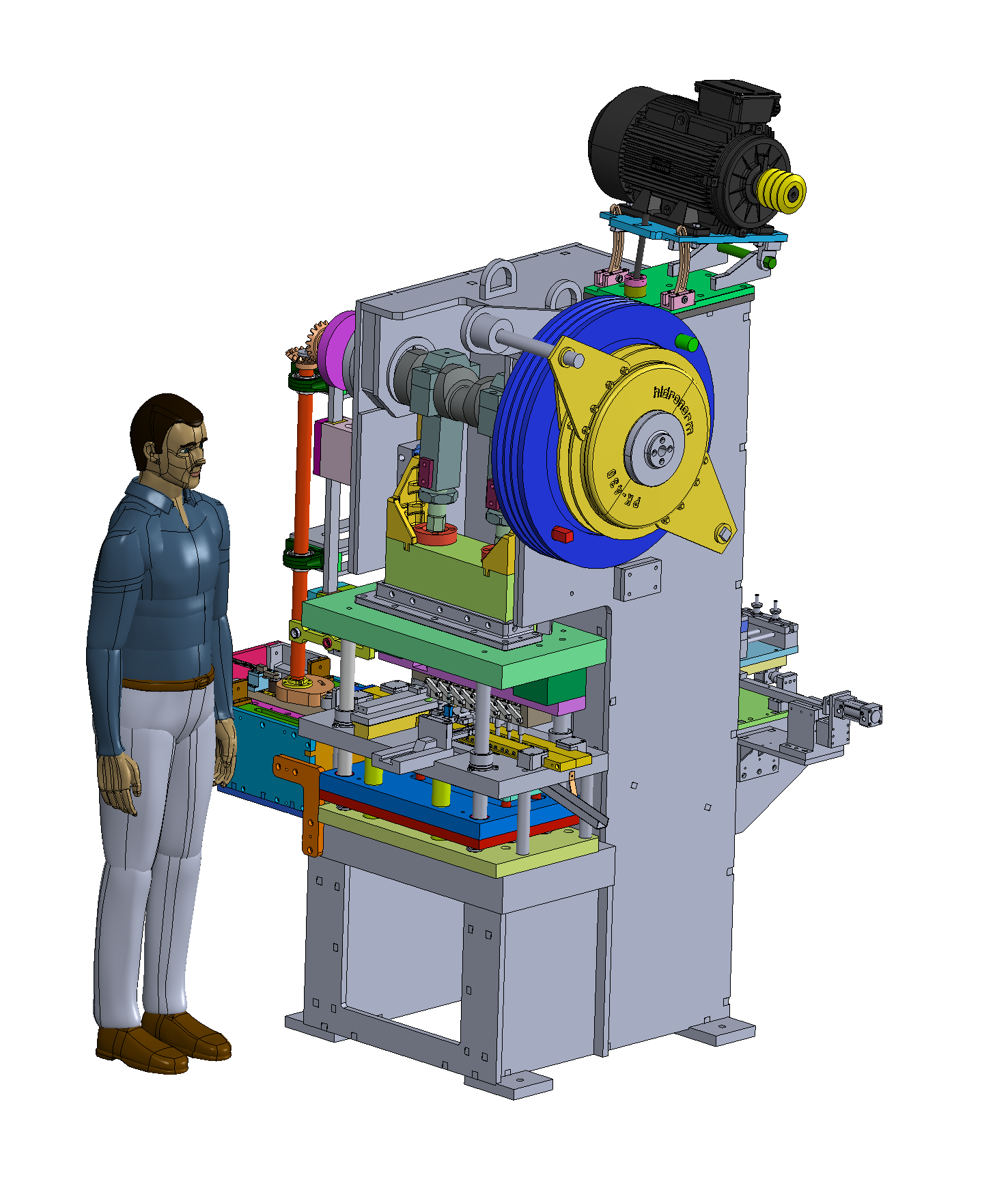
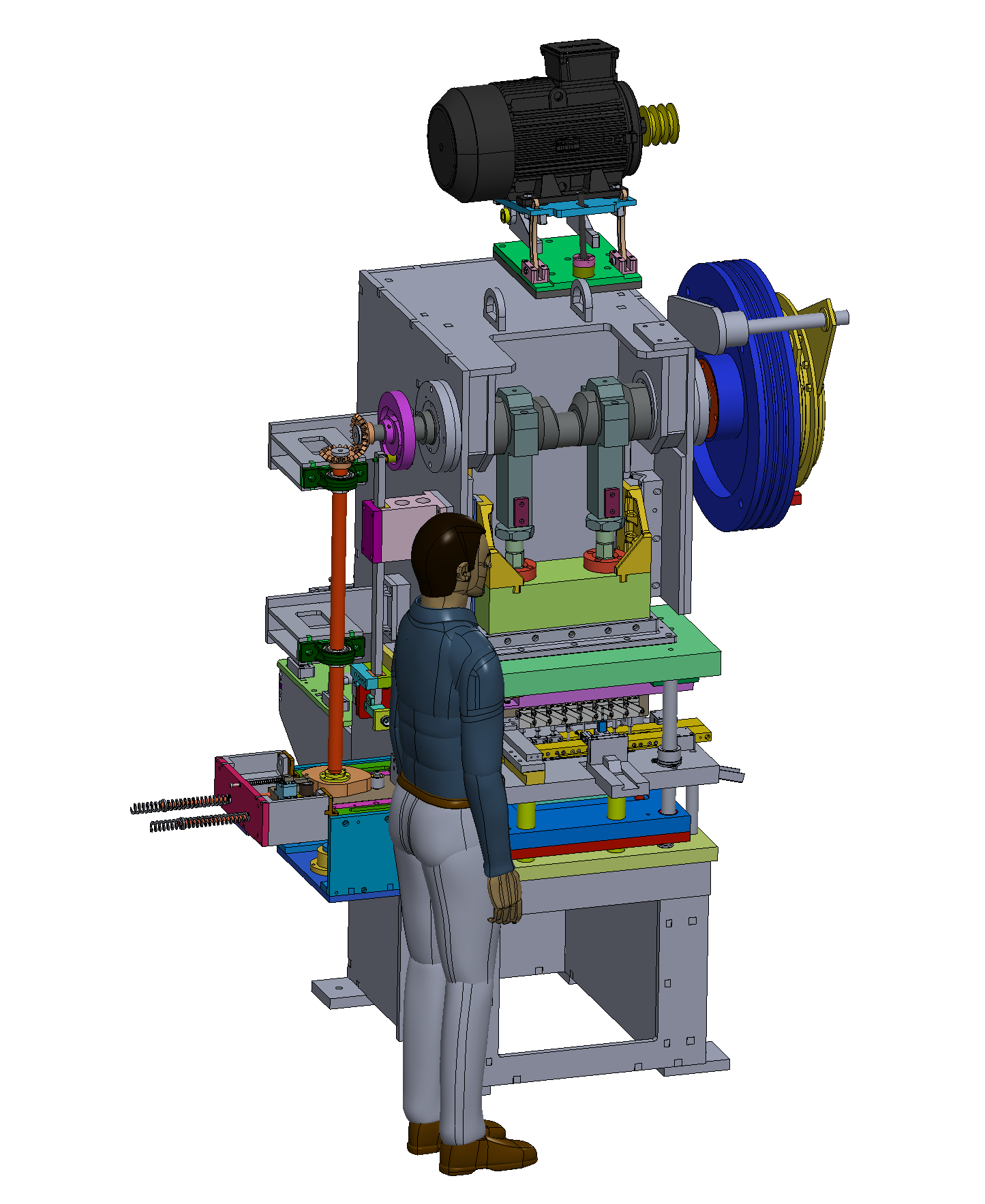
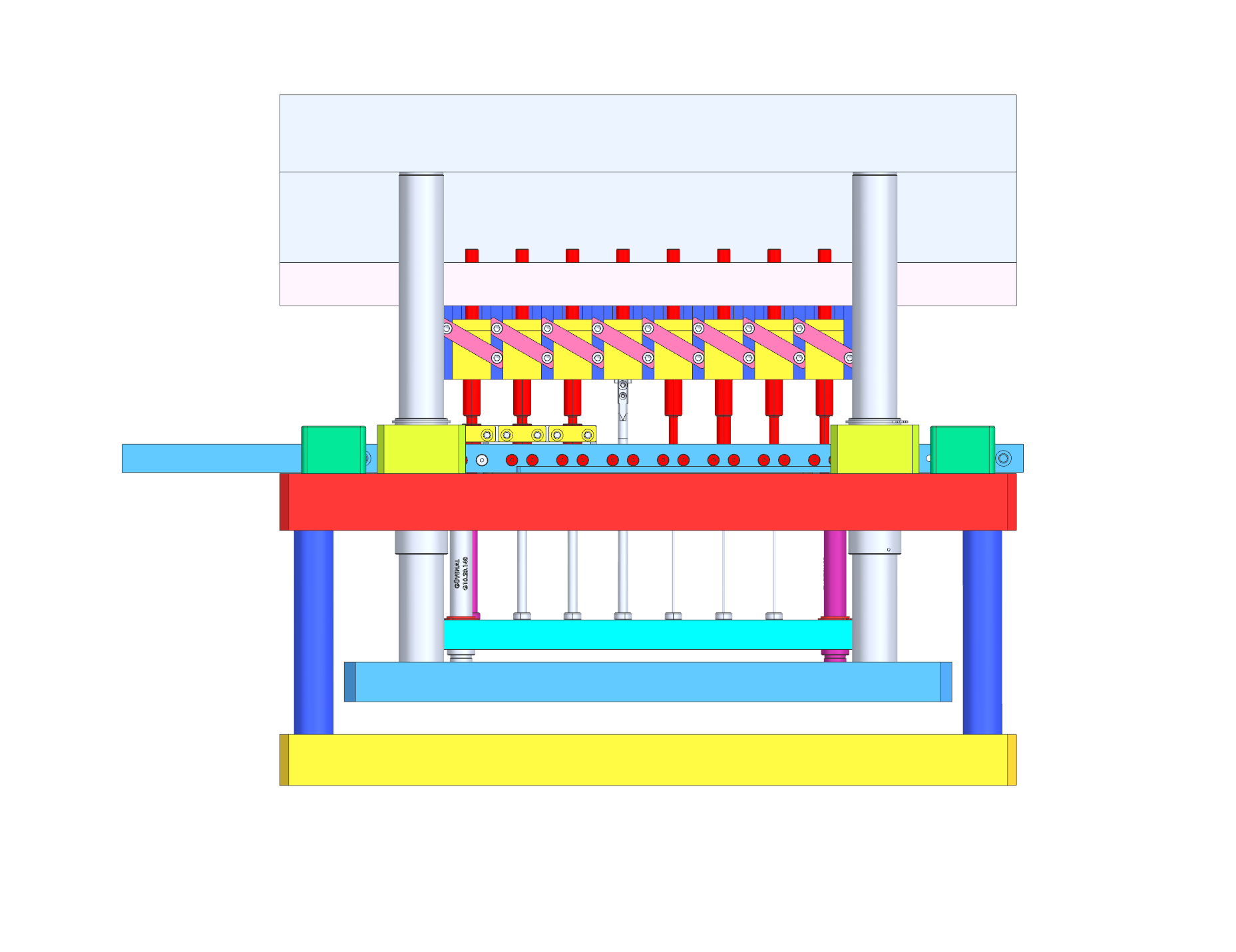
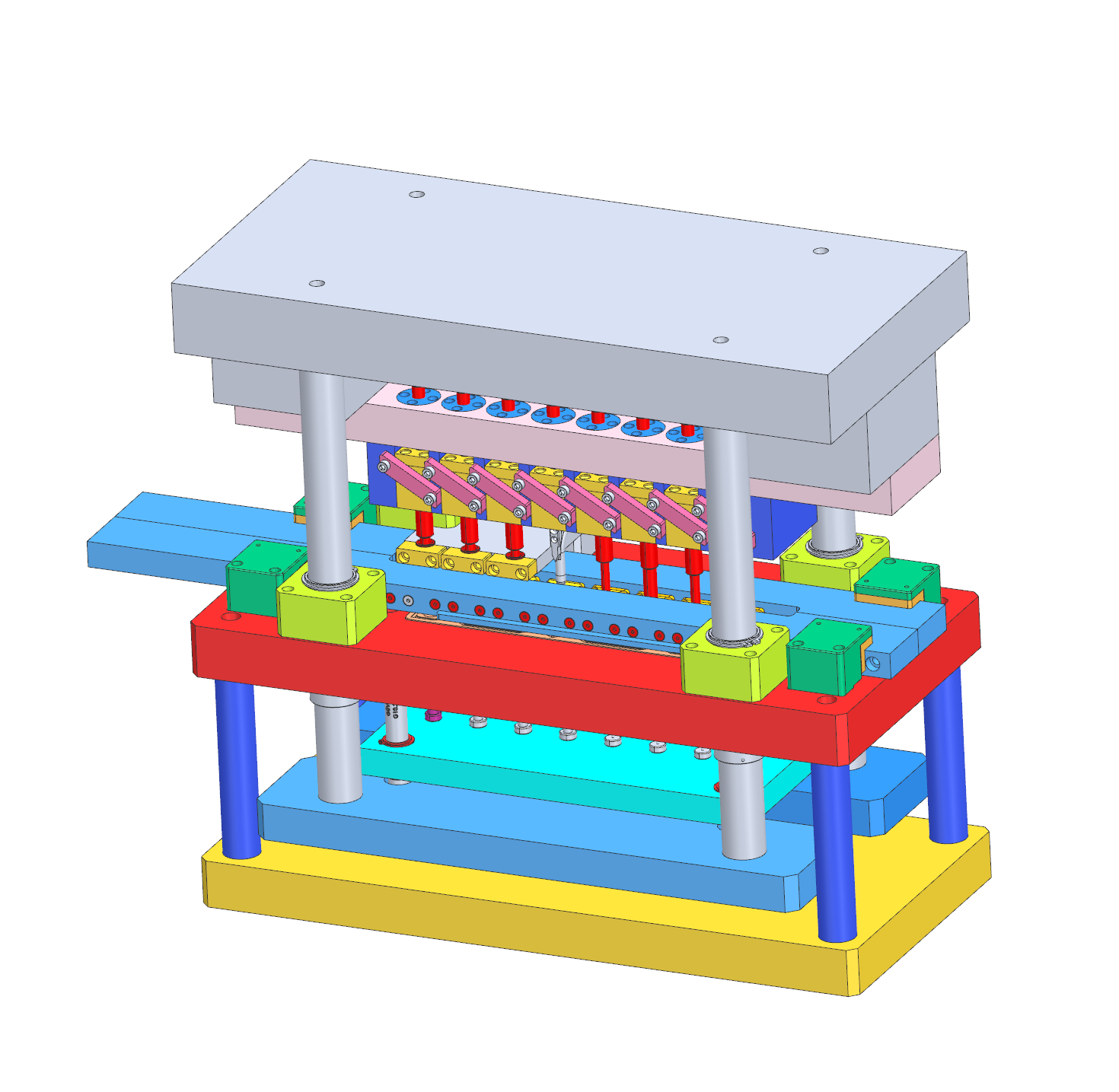
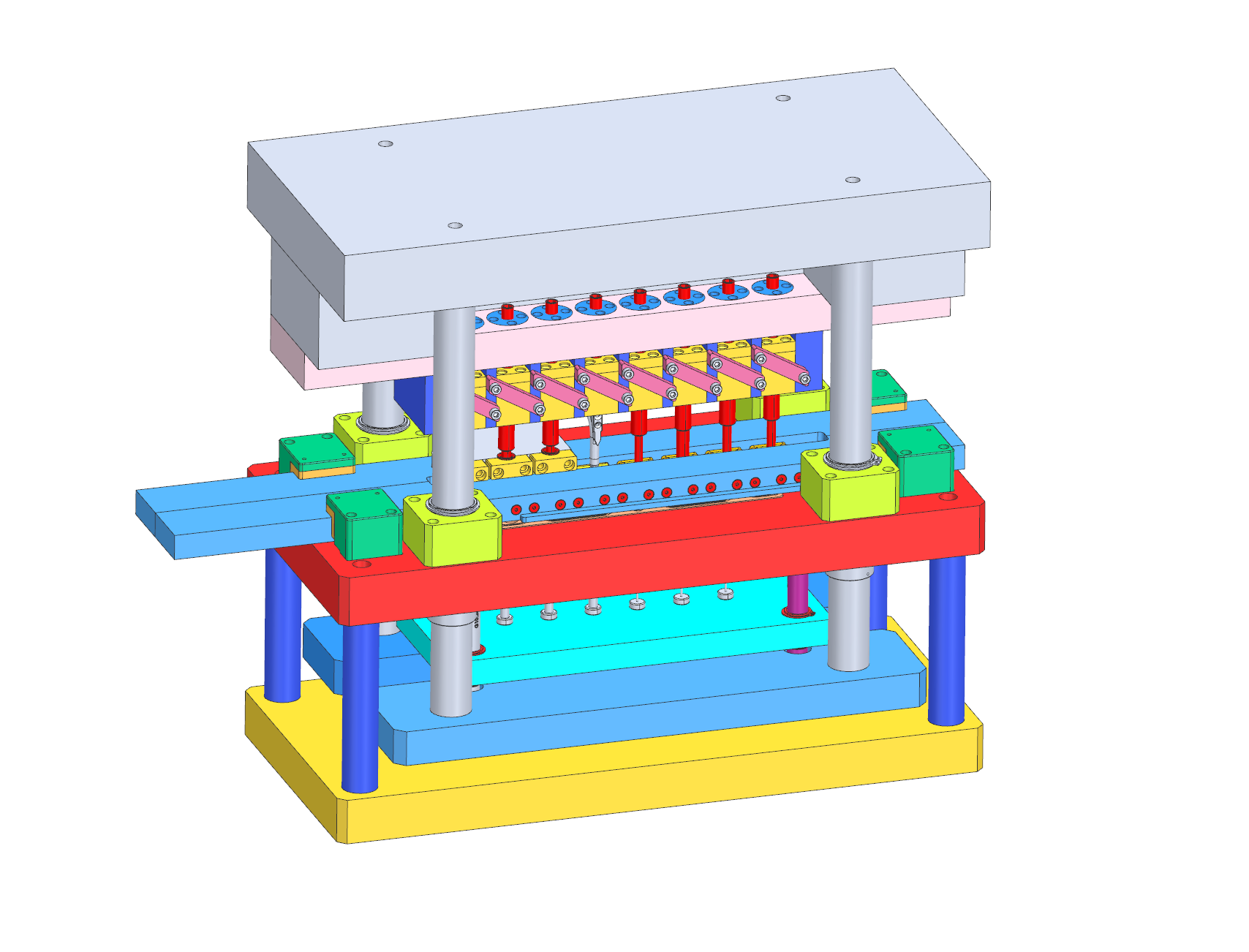
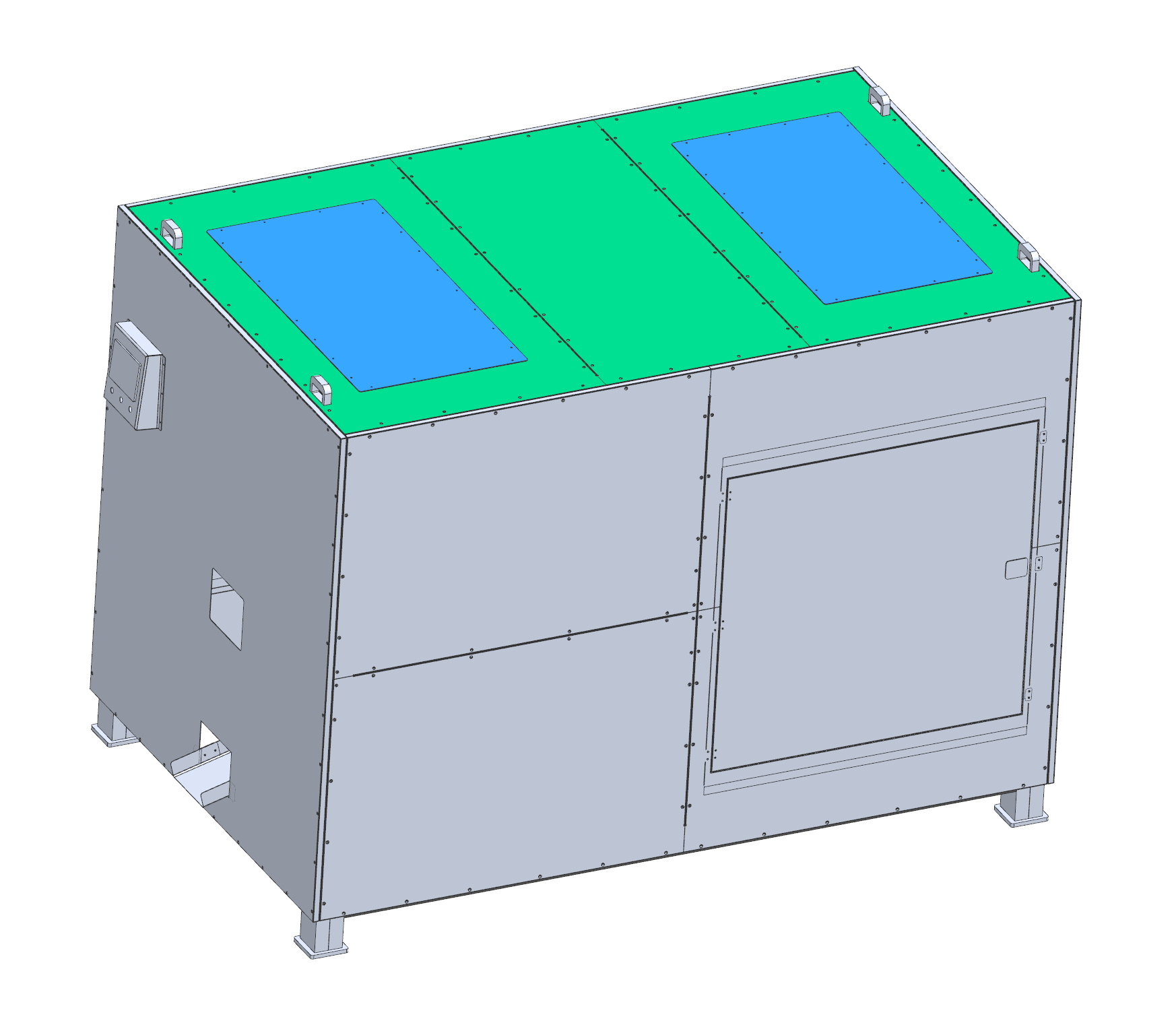
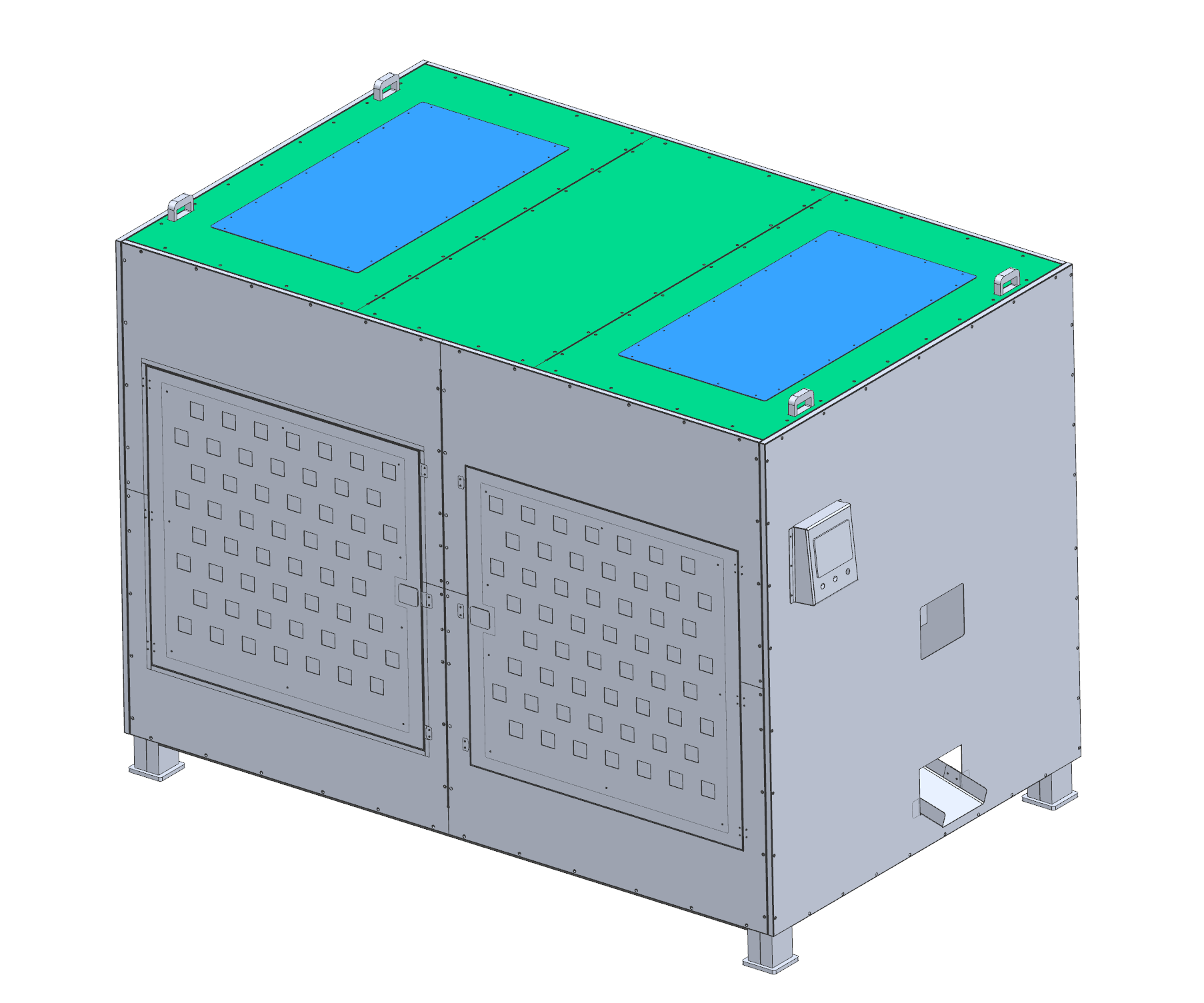
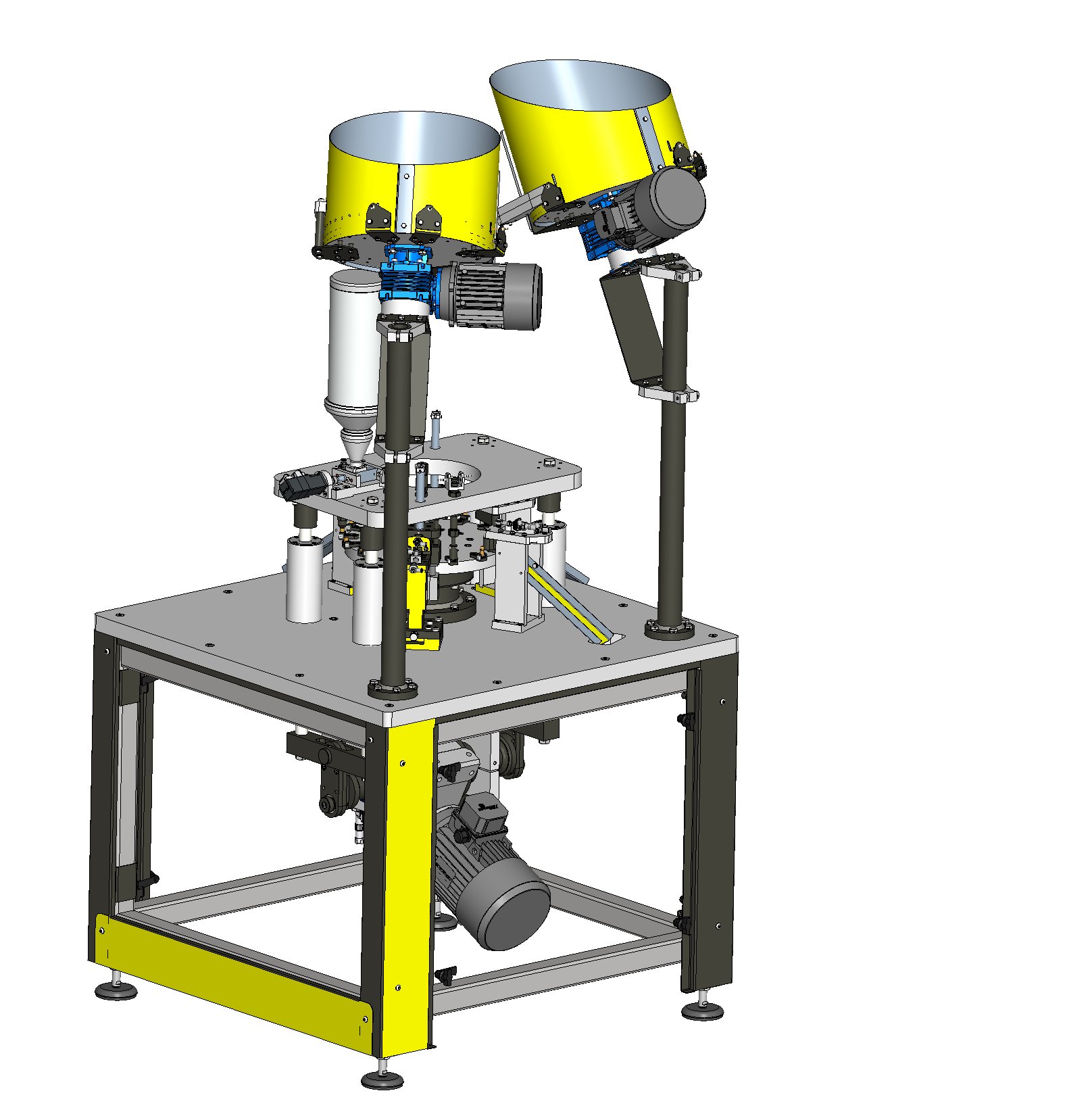
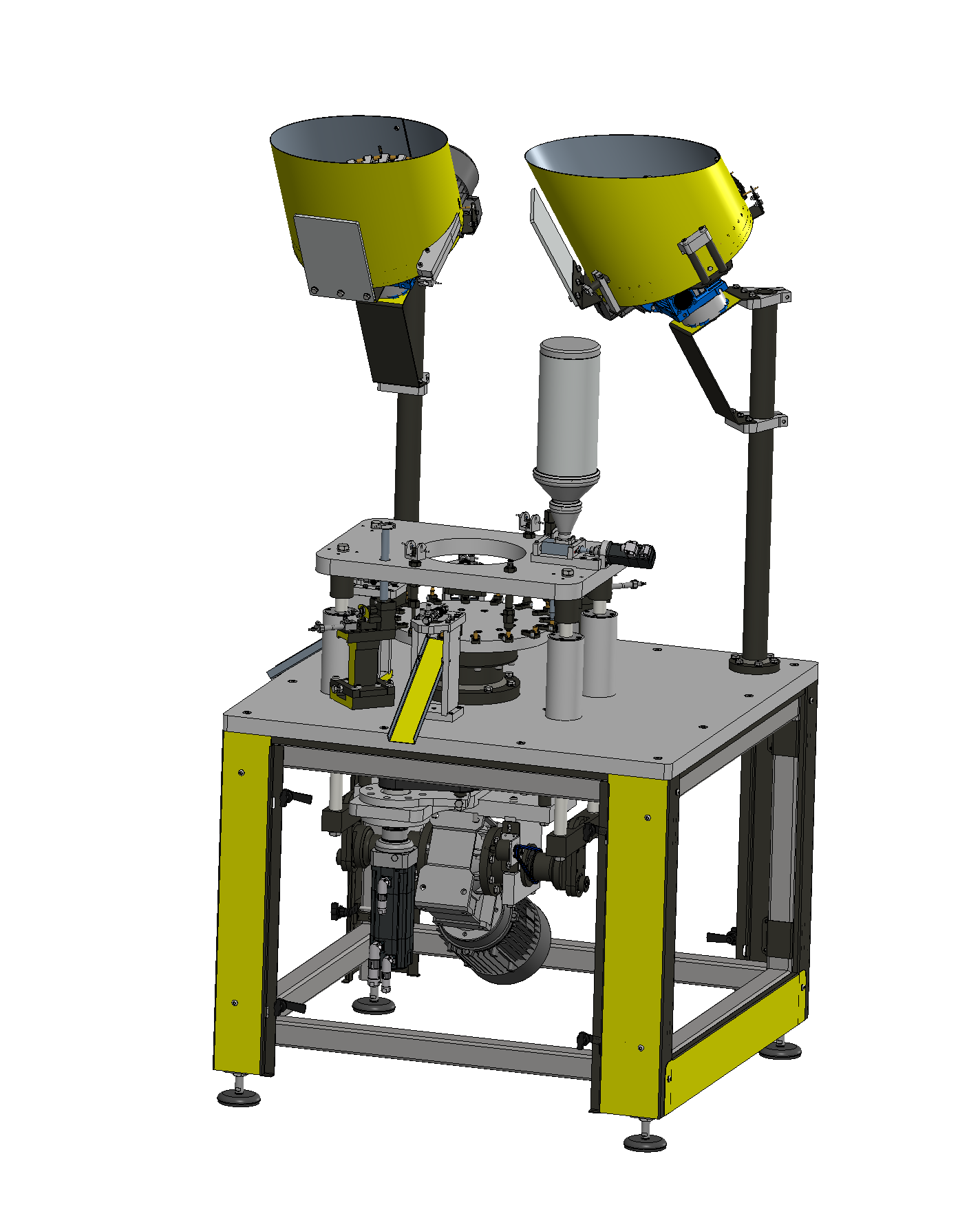
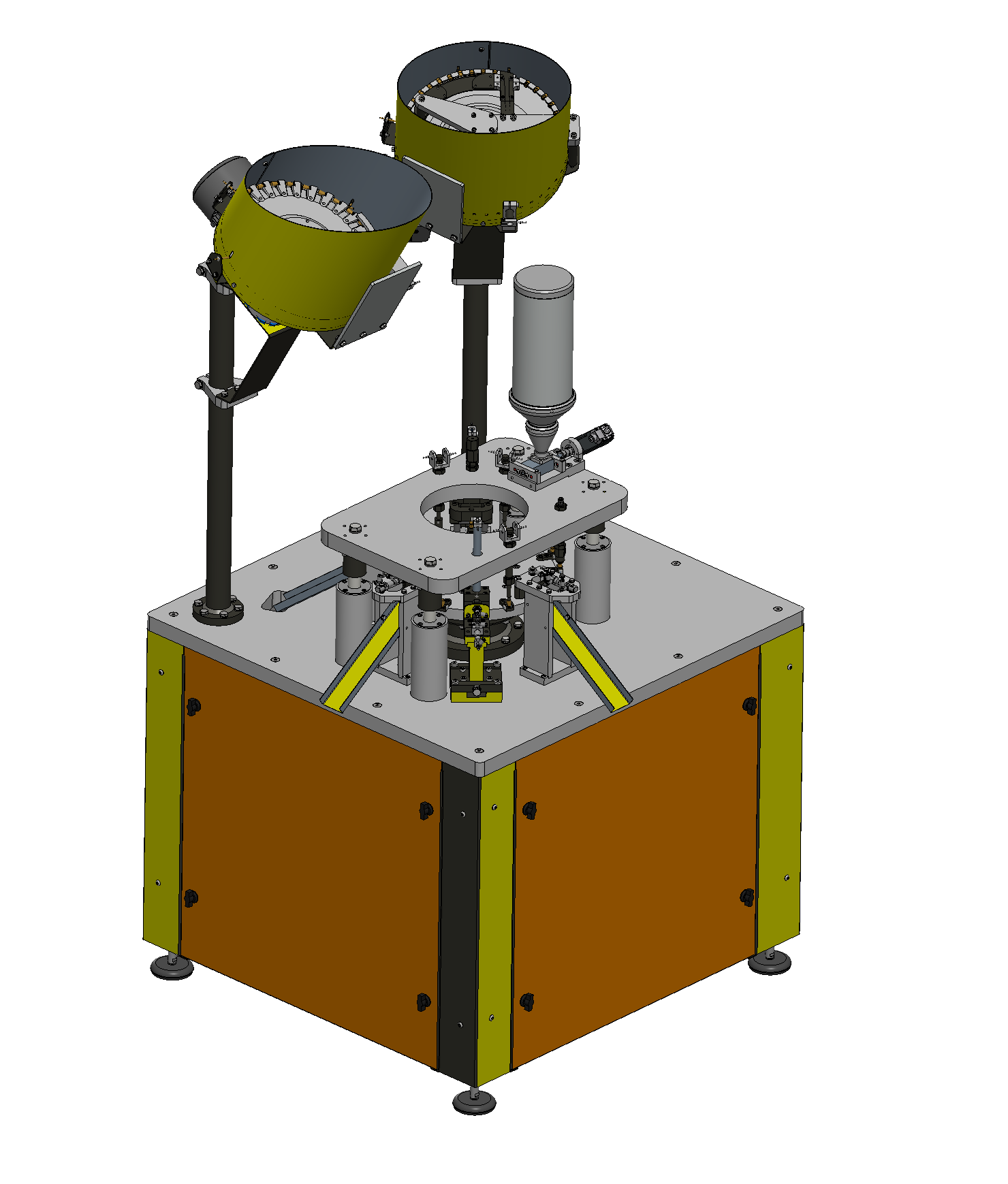
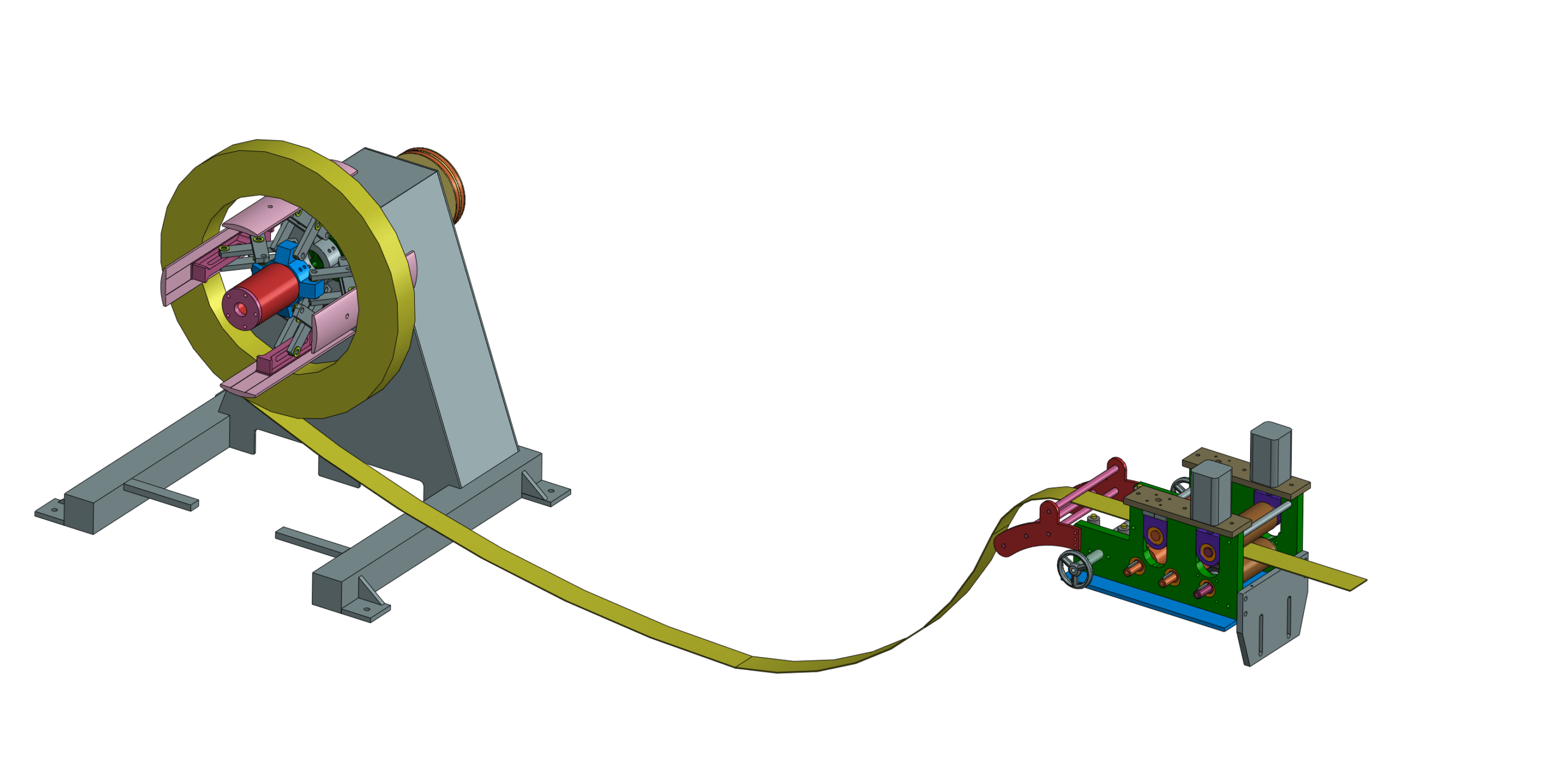
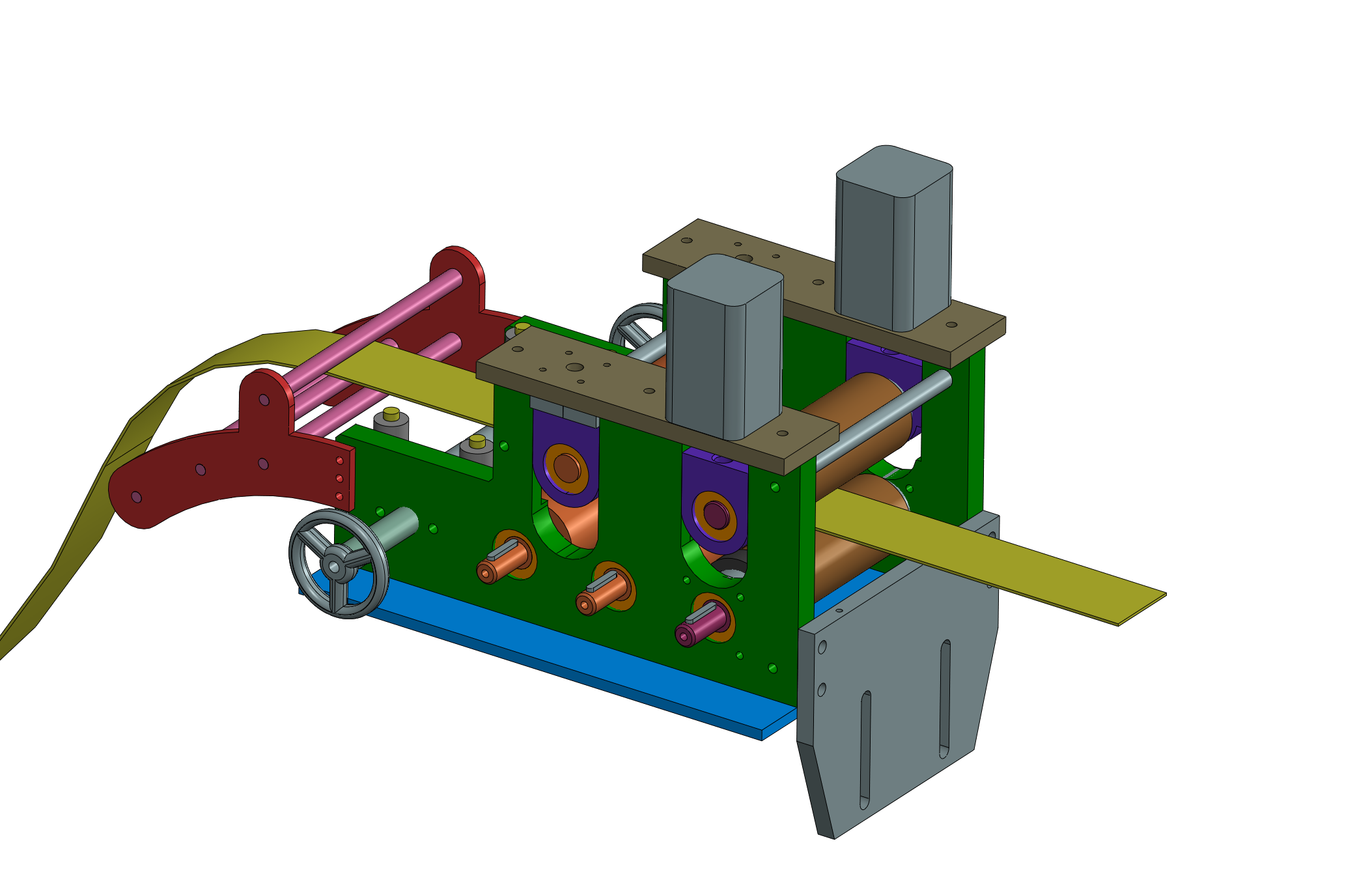
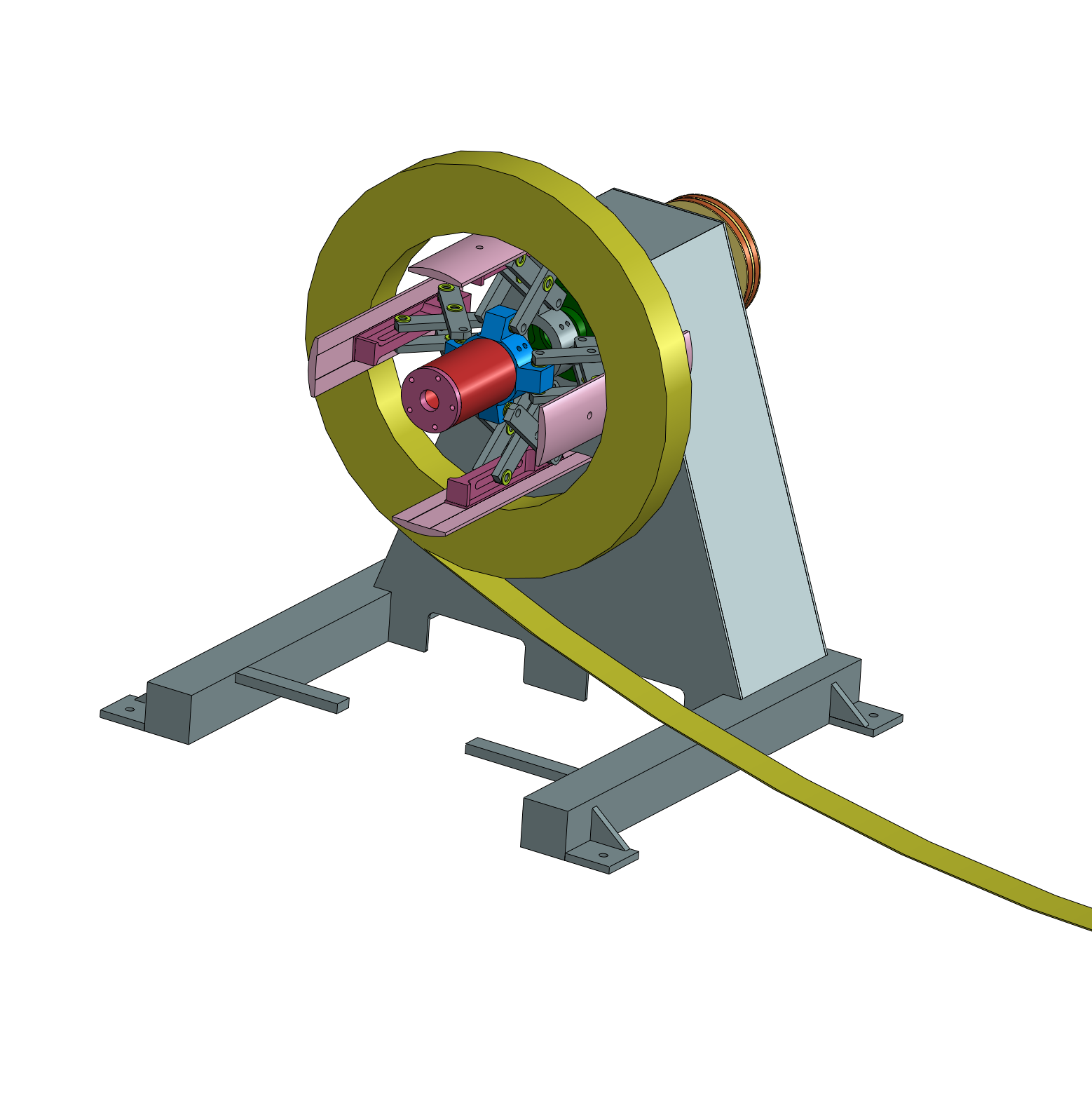
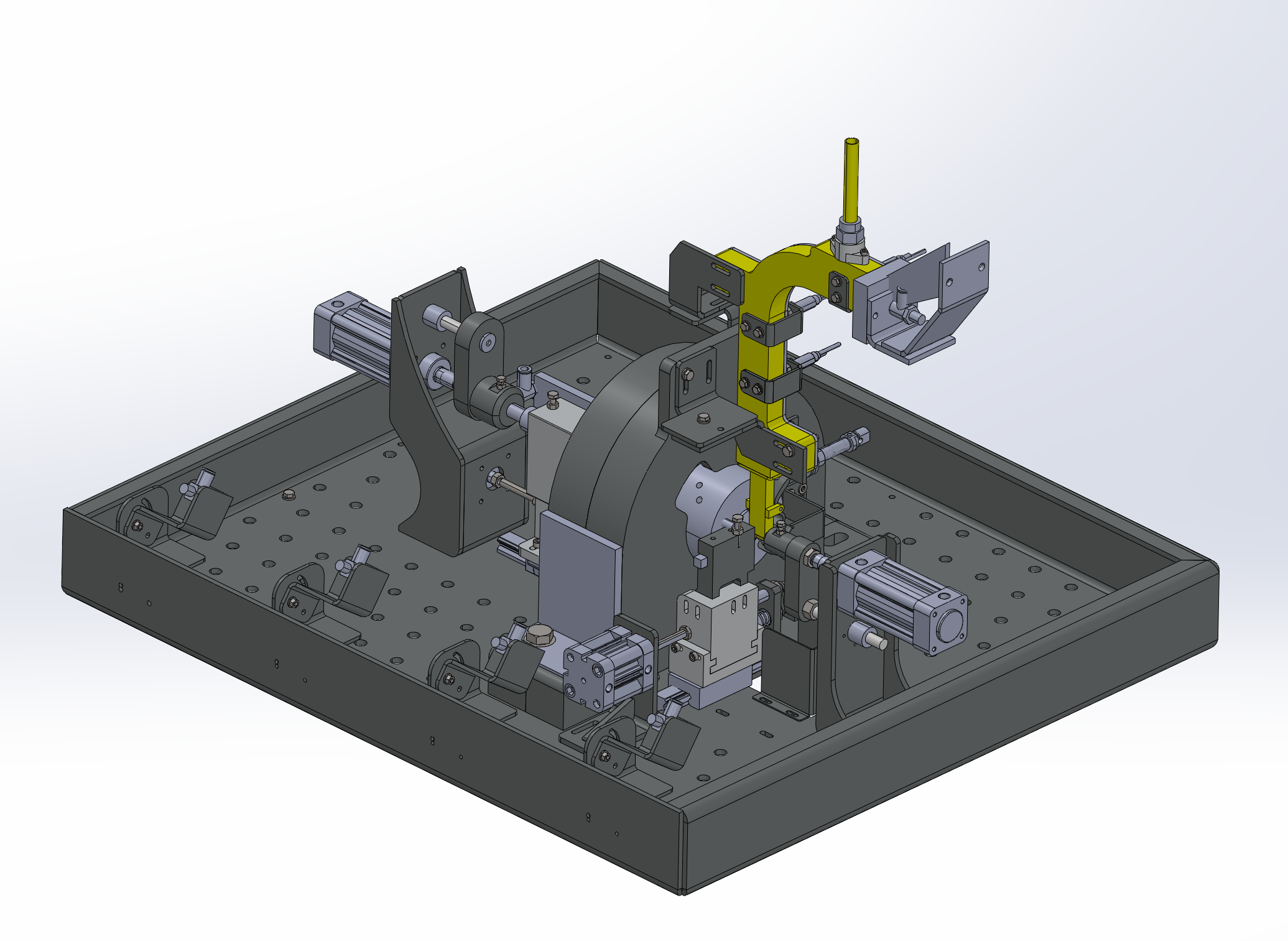
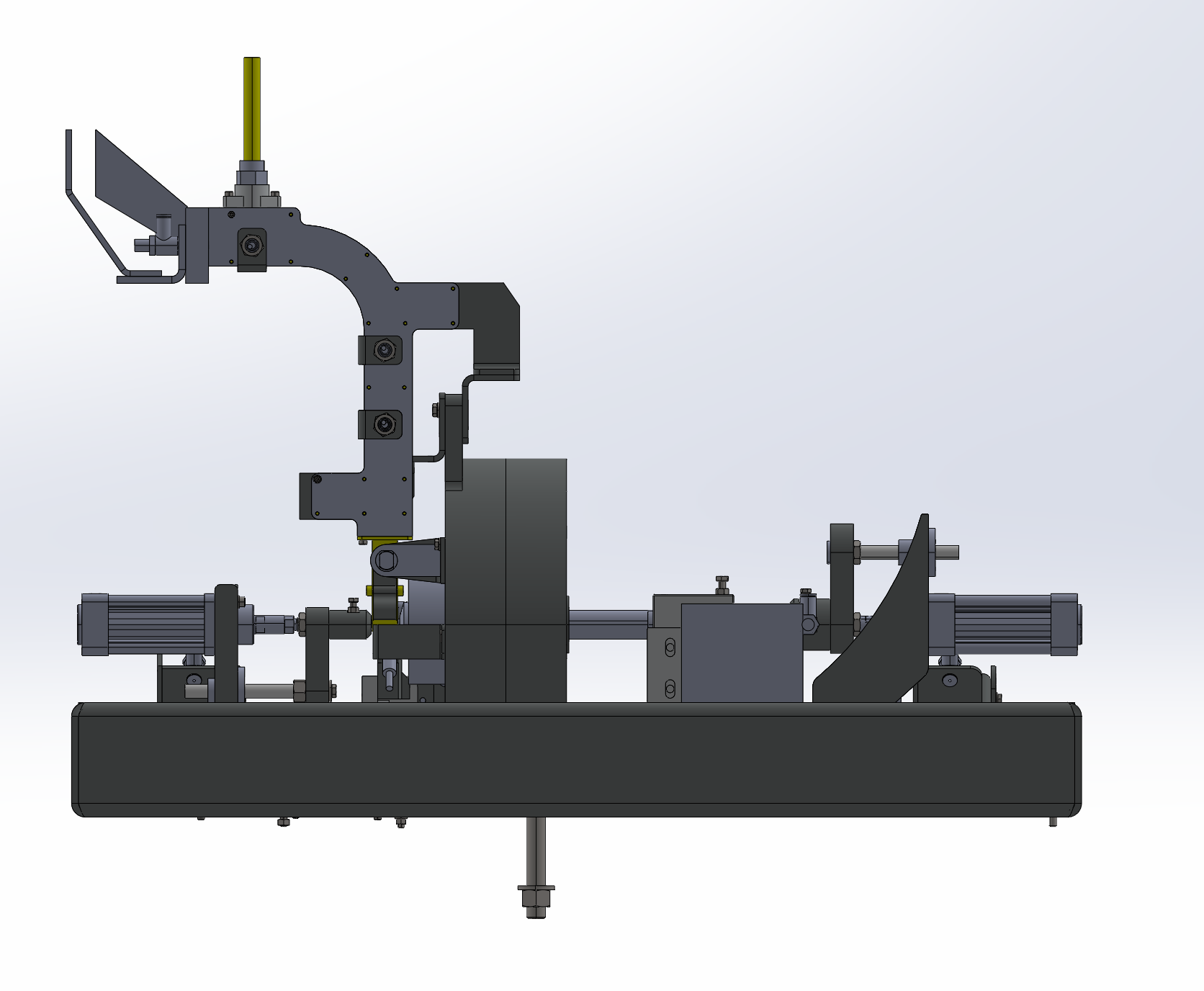
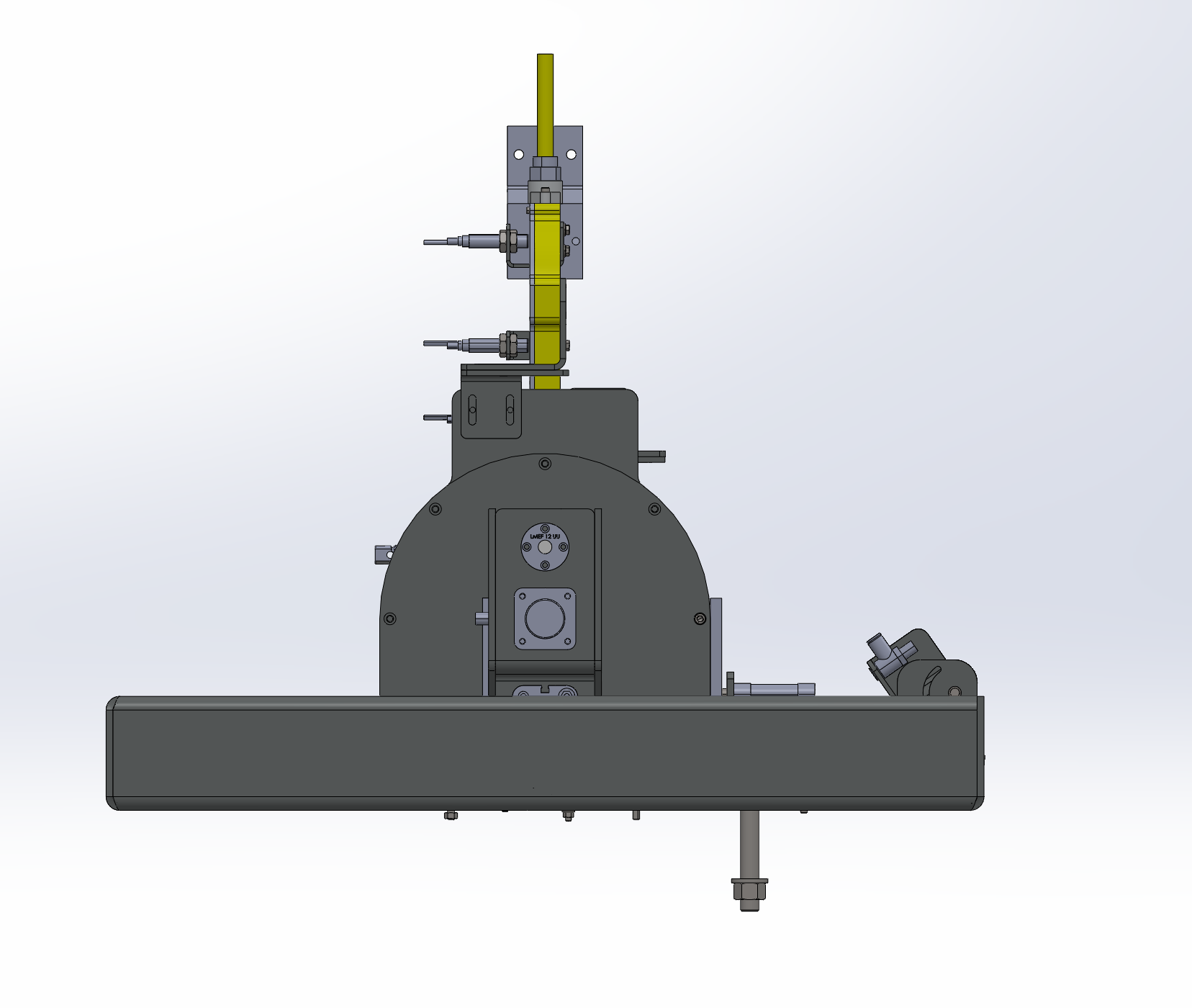
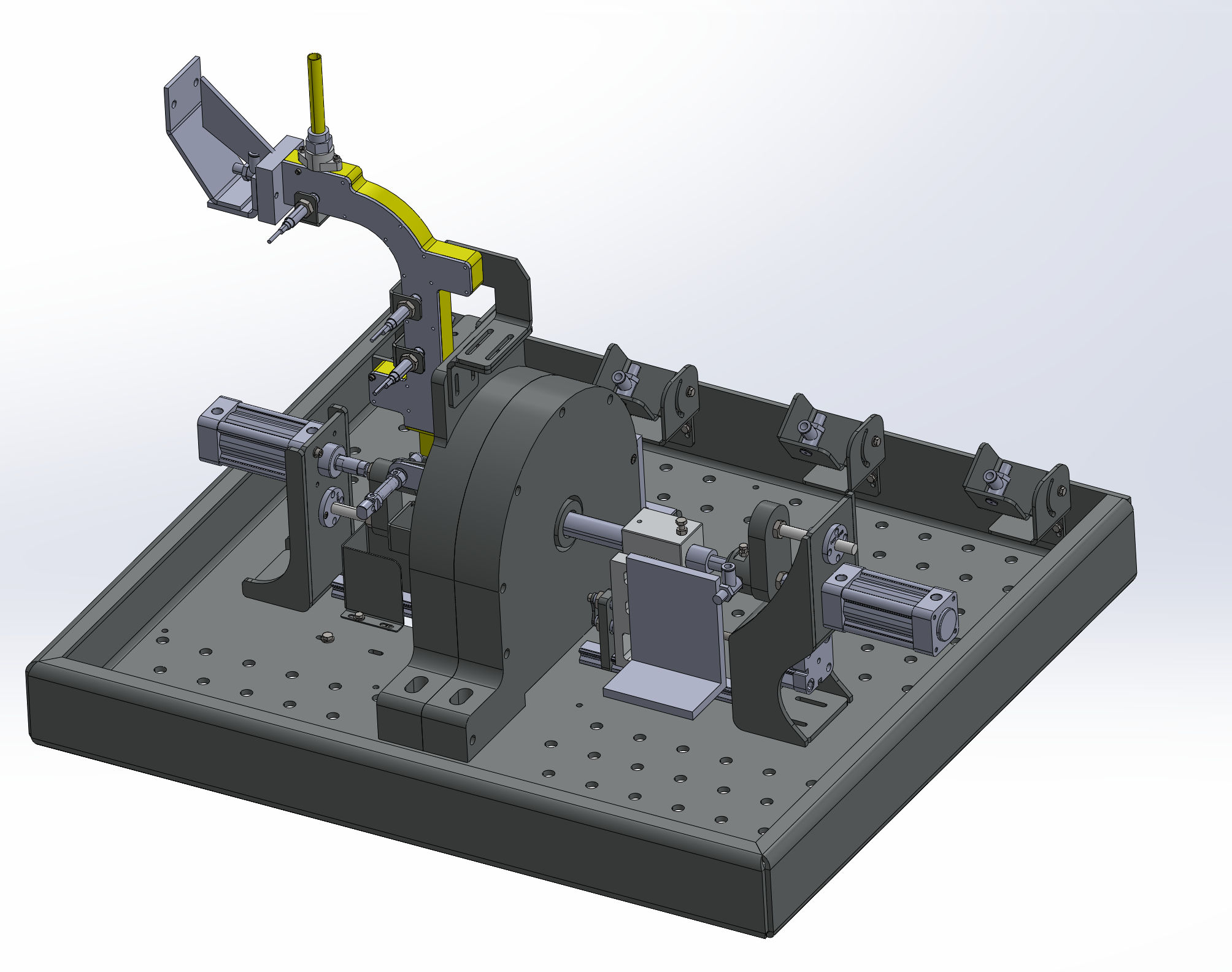
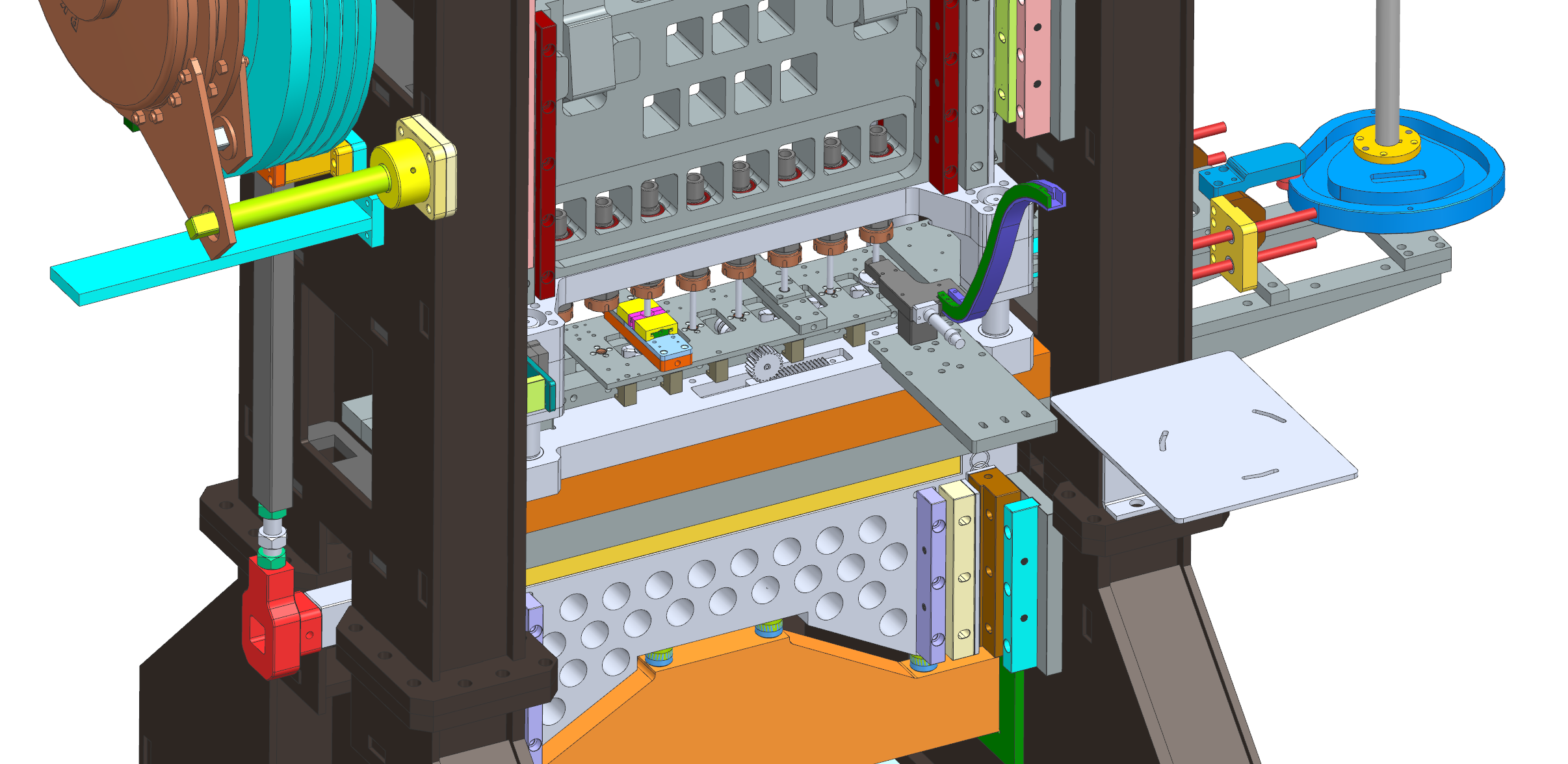
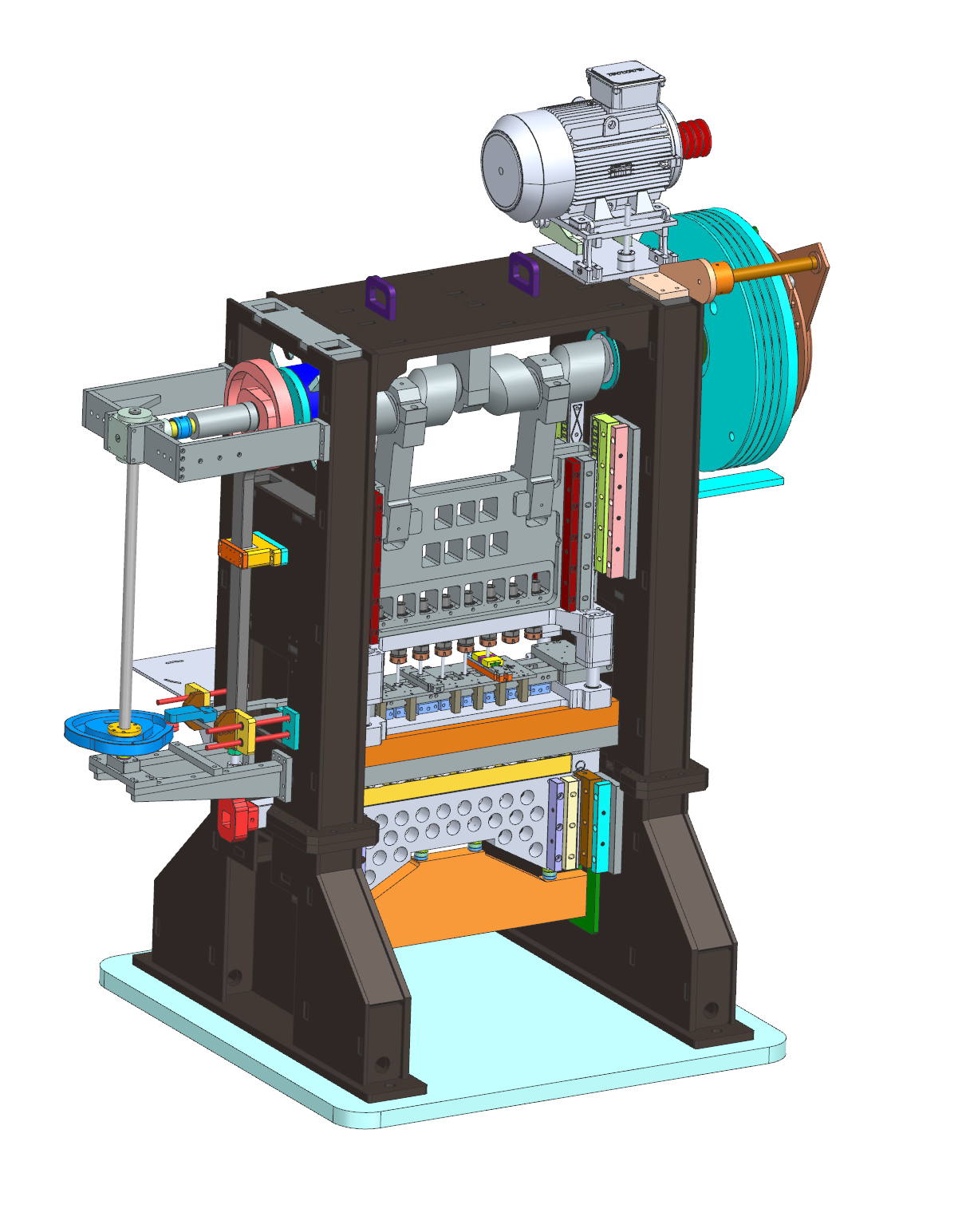
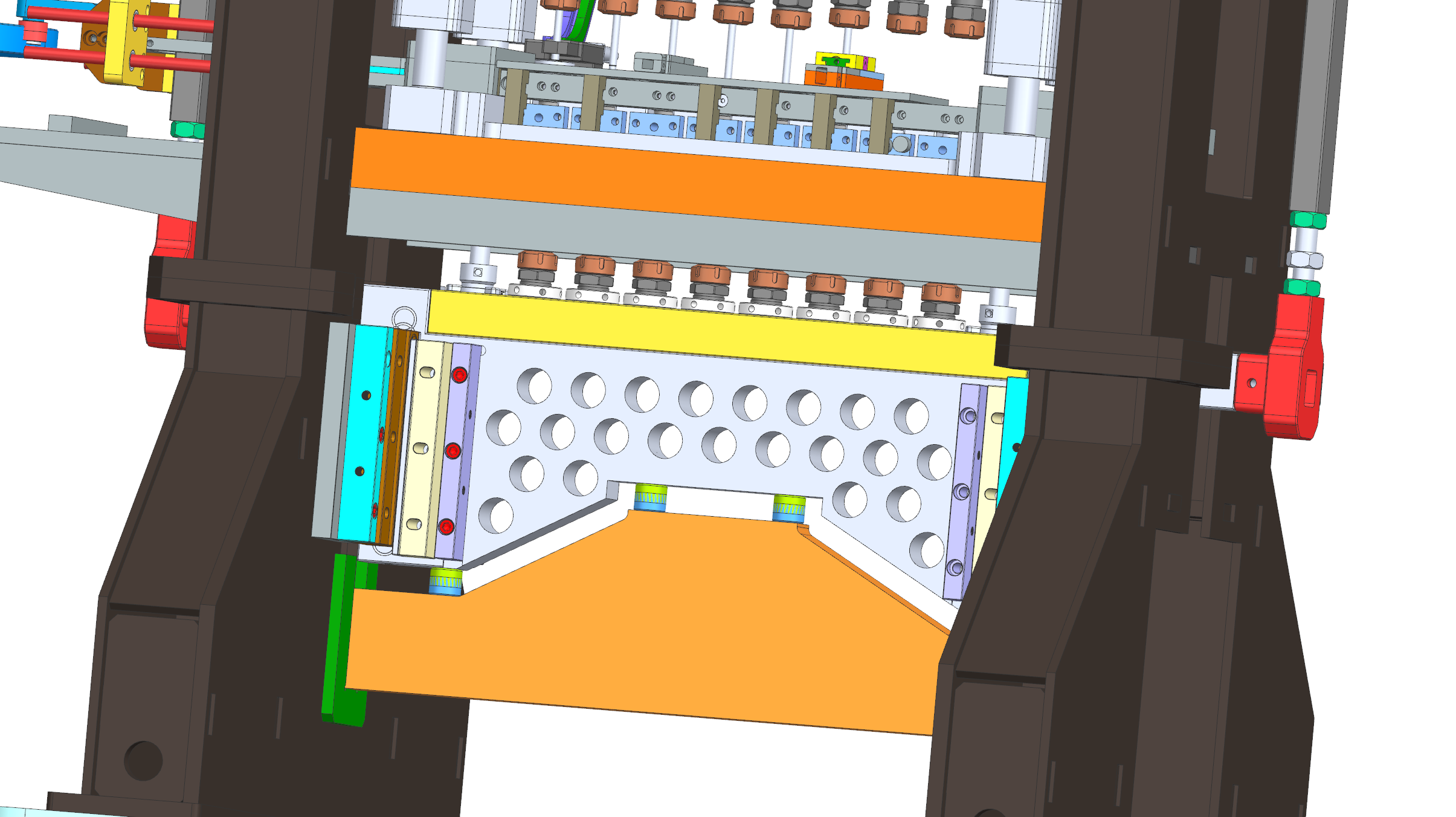
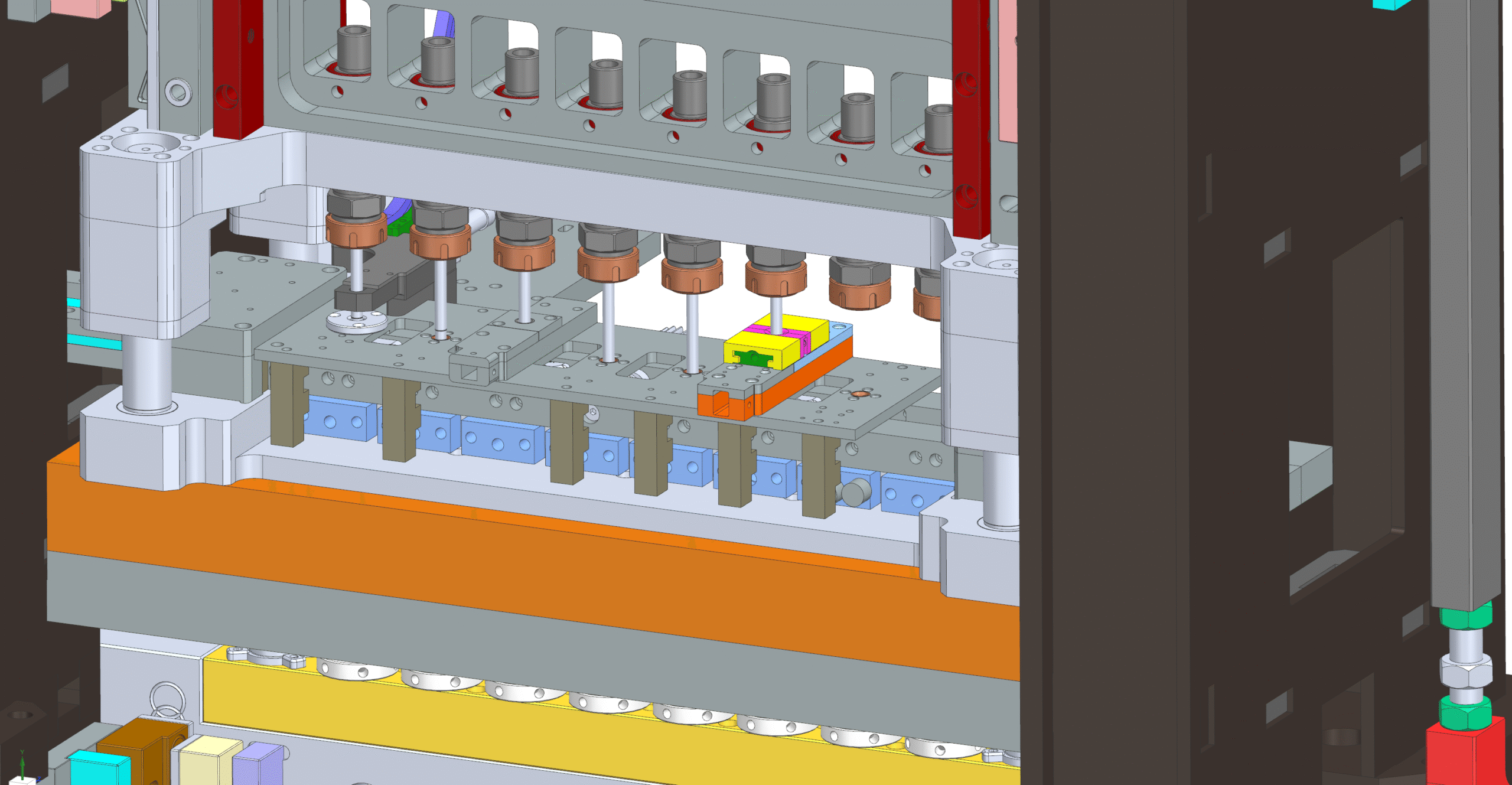
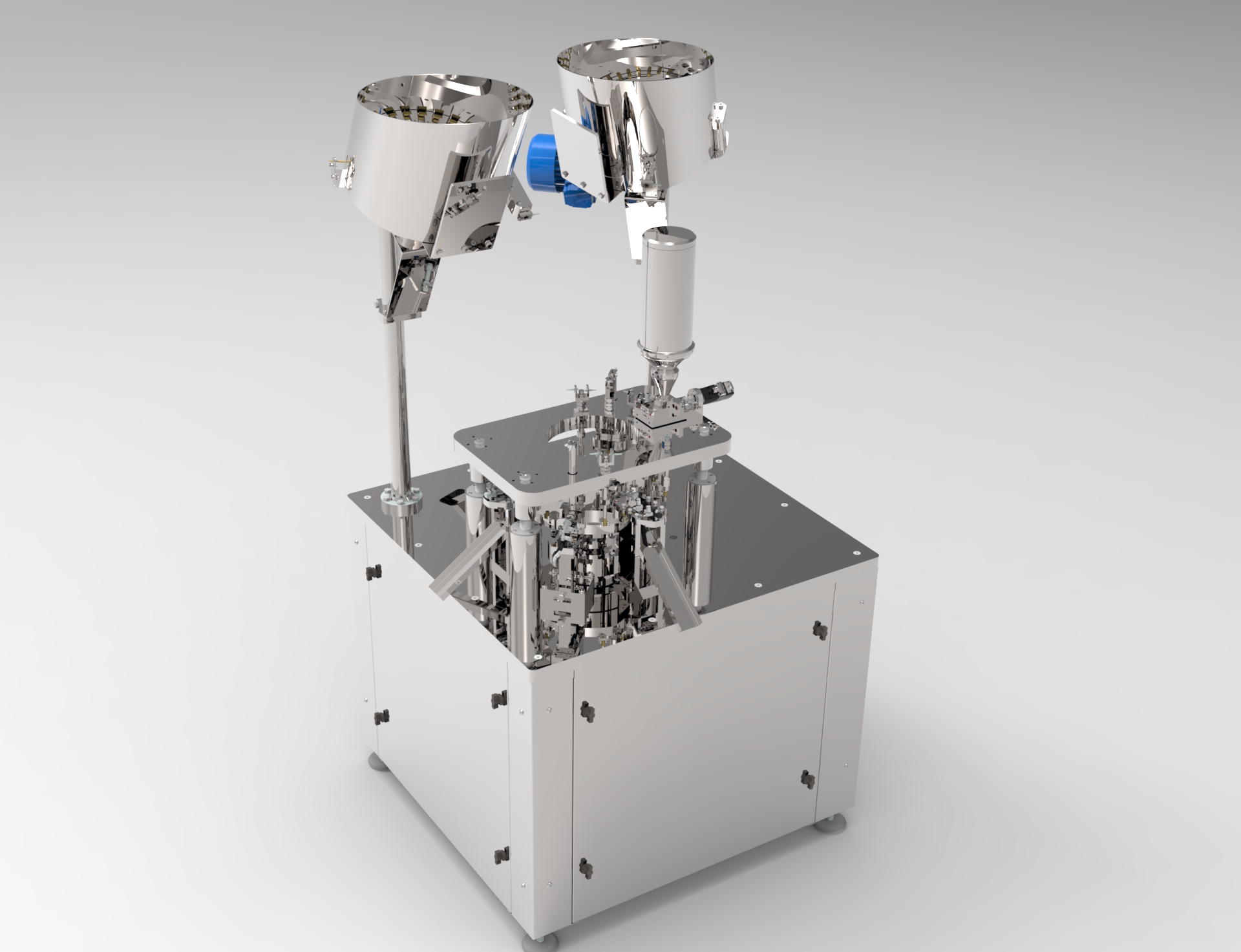
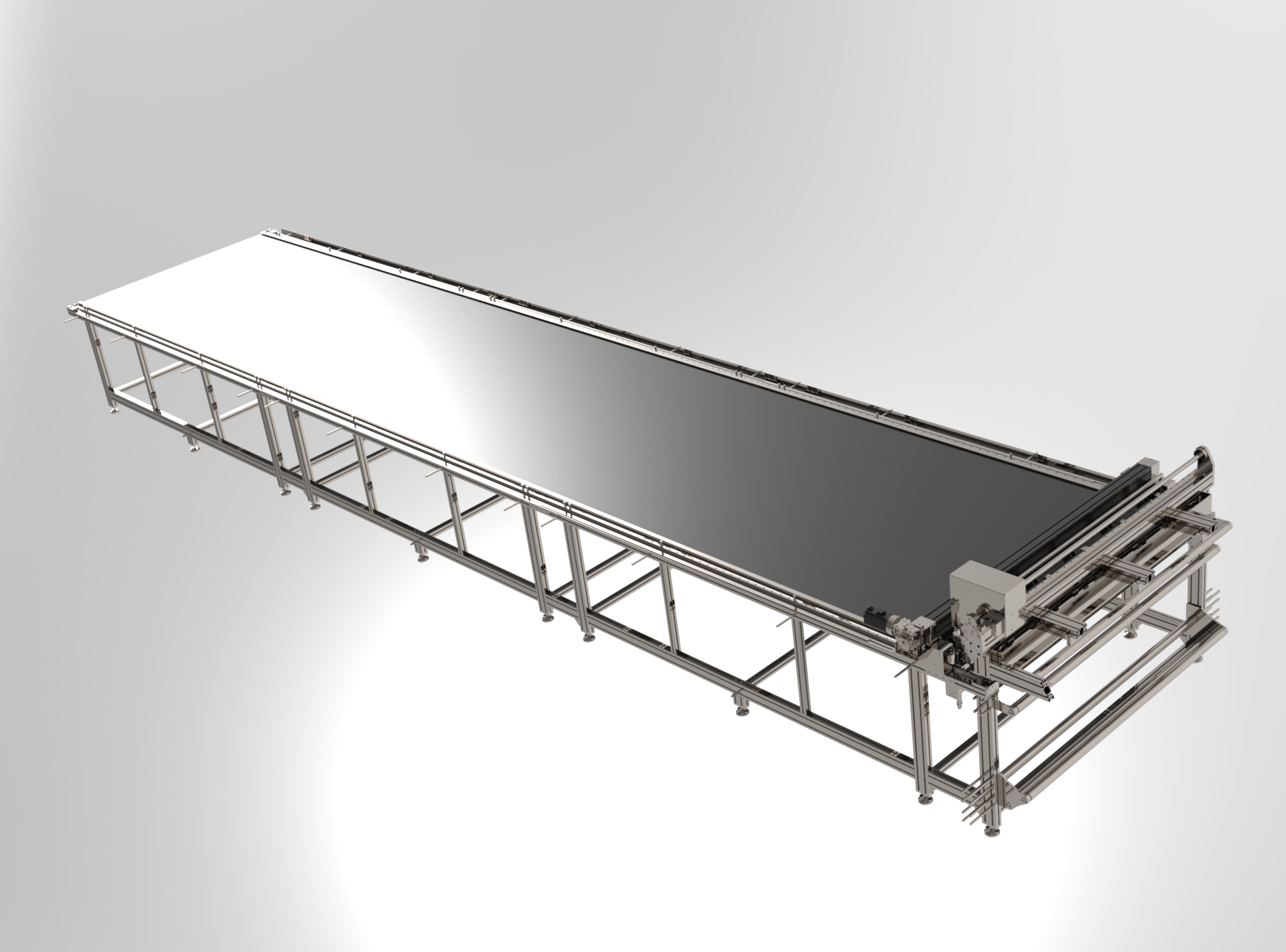
The newly produced machine must be able to perform many operations and be renewable. It is important that it can be used for a long time after manufacturing and meet the needs. When the machine manufacturing processes are carried out successfully, the gains it will provide will be greater. Manufacturing processes are as follows. R&D studies, Projecting and analysis, Designing the machine, Production stages, Quality control, Test and delivery stage, Each process is carried out step by step and it is ensured that it complies with the determined standards. In order for the manufacturing process to be successful, it is necessary to use all information technologies and make calculations according to the material types.
Projecting and Analysis
All machine manufacturing should be considered as a project and the processes should be determined accordingly. When the project is made, purchasing, budget determination, stock and production follow-up can be done according to the project. After the project is made, the materials to be used in manufacturing are analyzed. This process will determine which need the newly produced machine will meet and its usage durability rate. The most important and first stage of the manufacturing process is always the projecting and analysis process stage.
Machine Design:
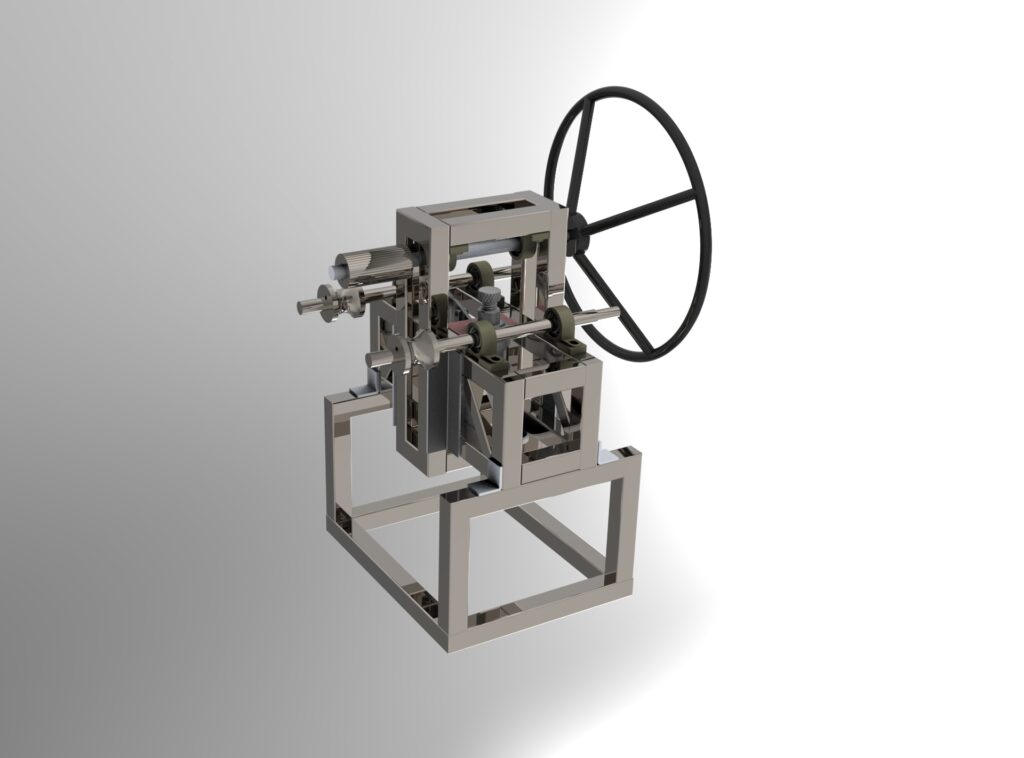
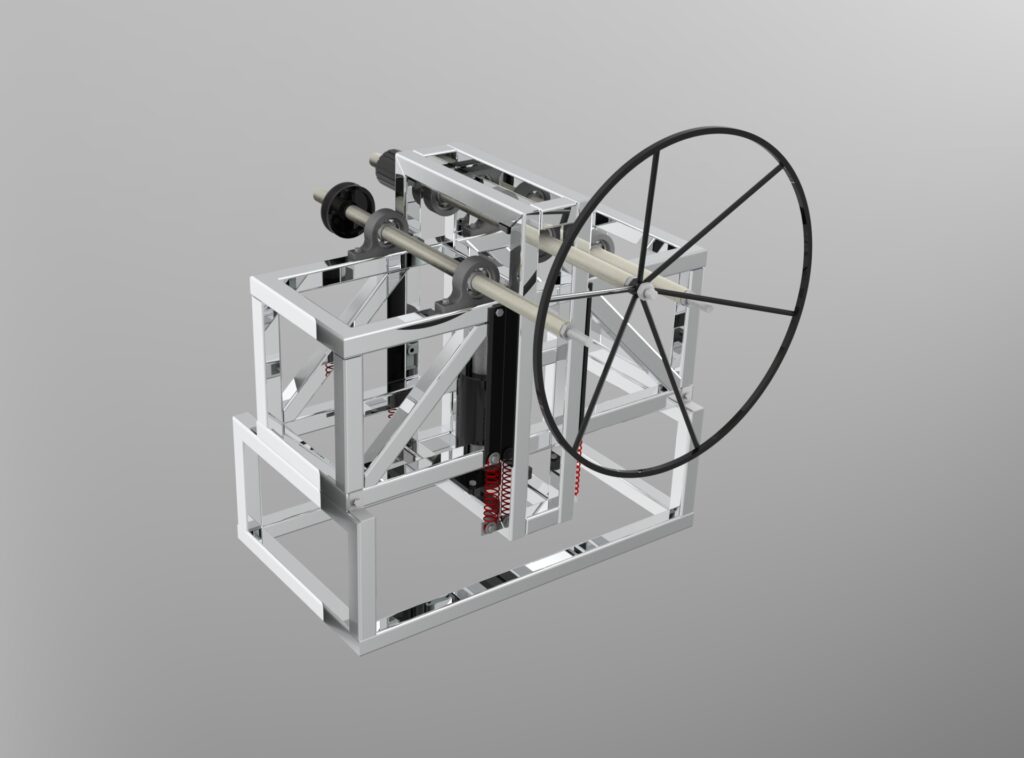
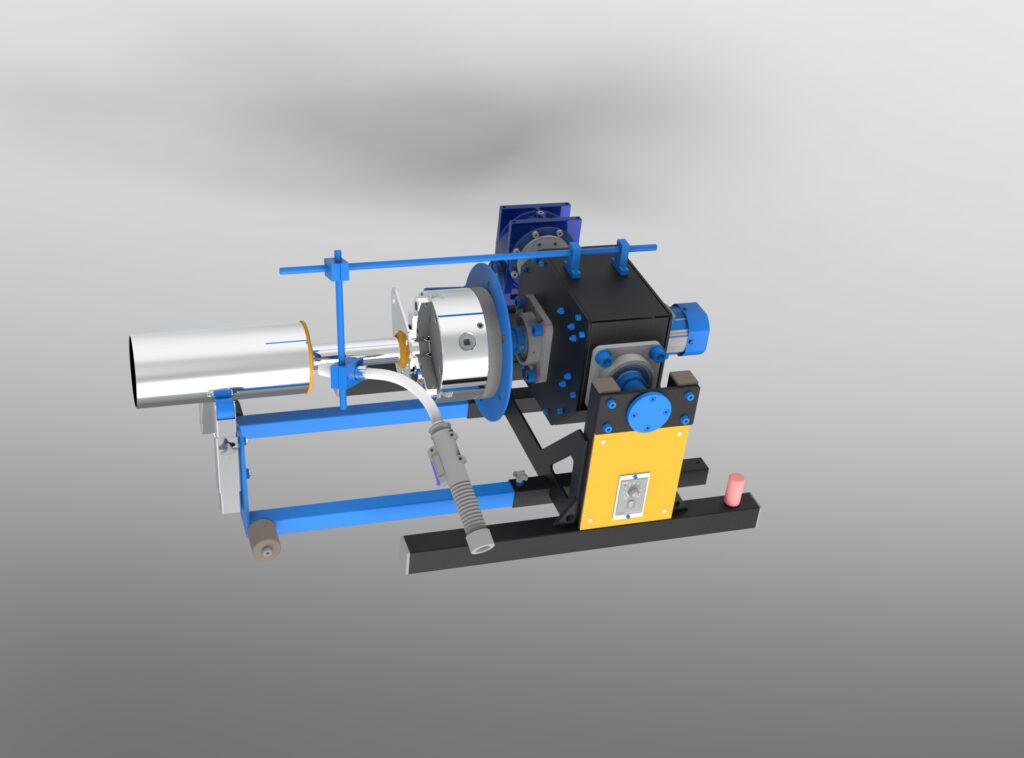
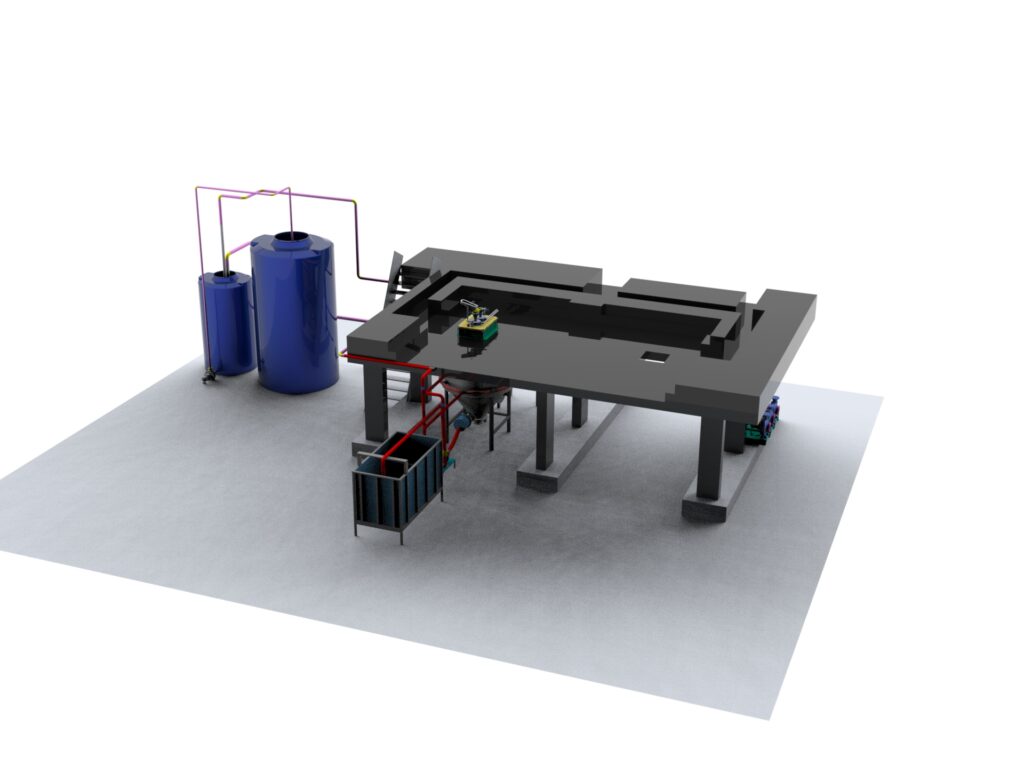
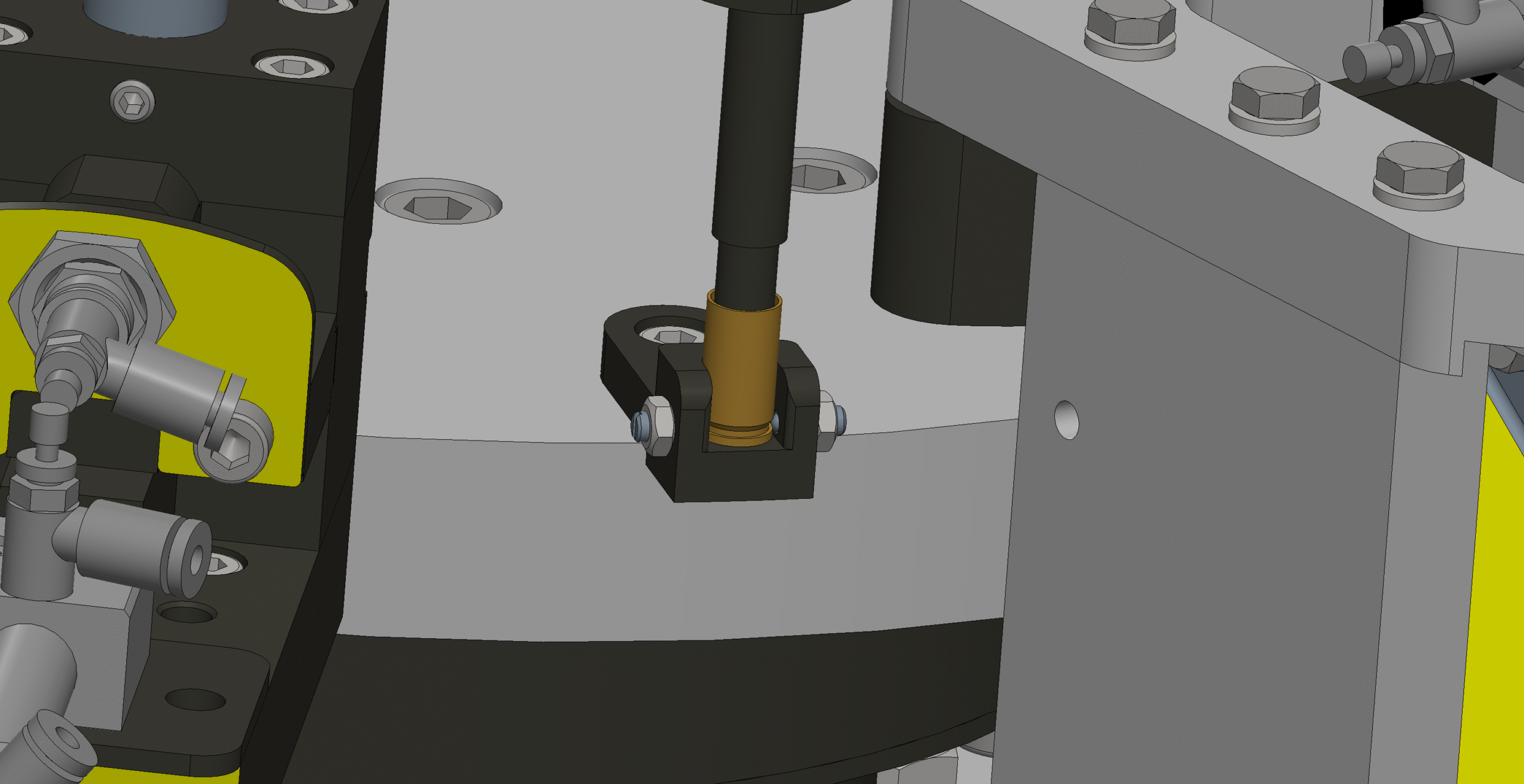
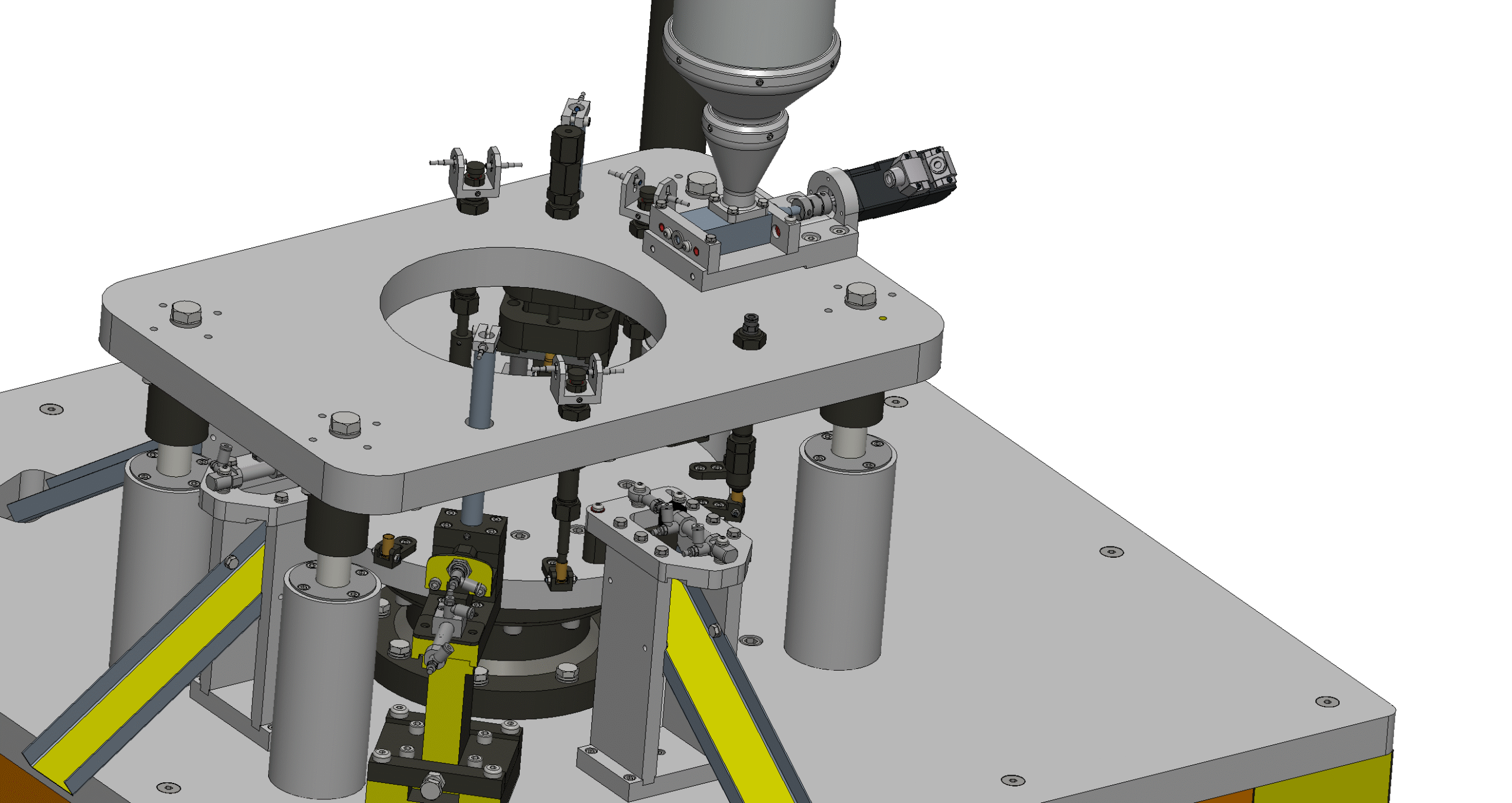
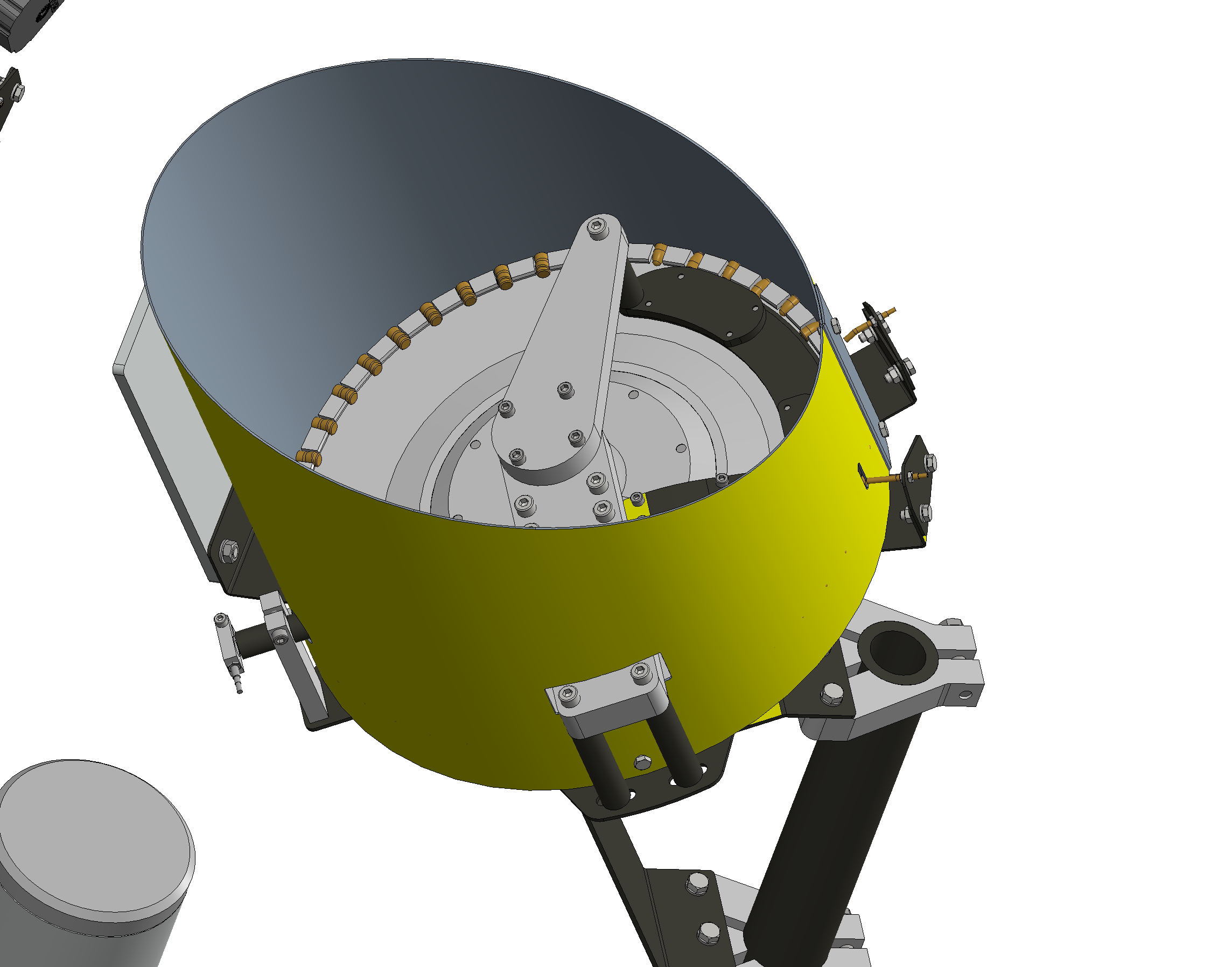
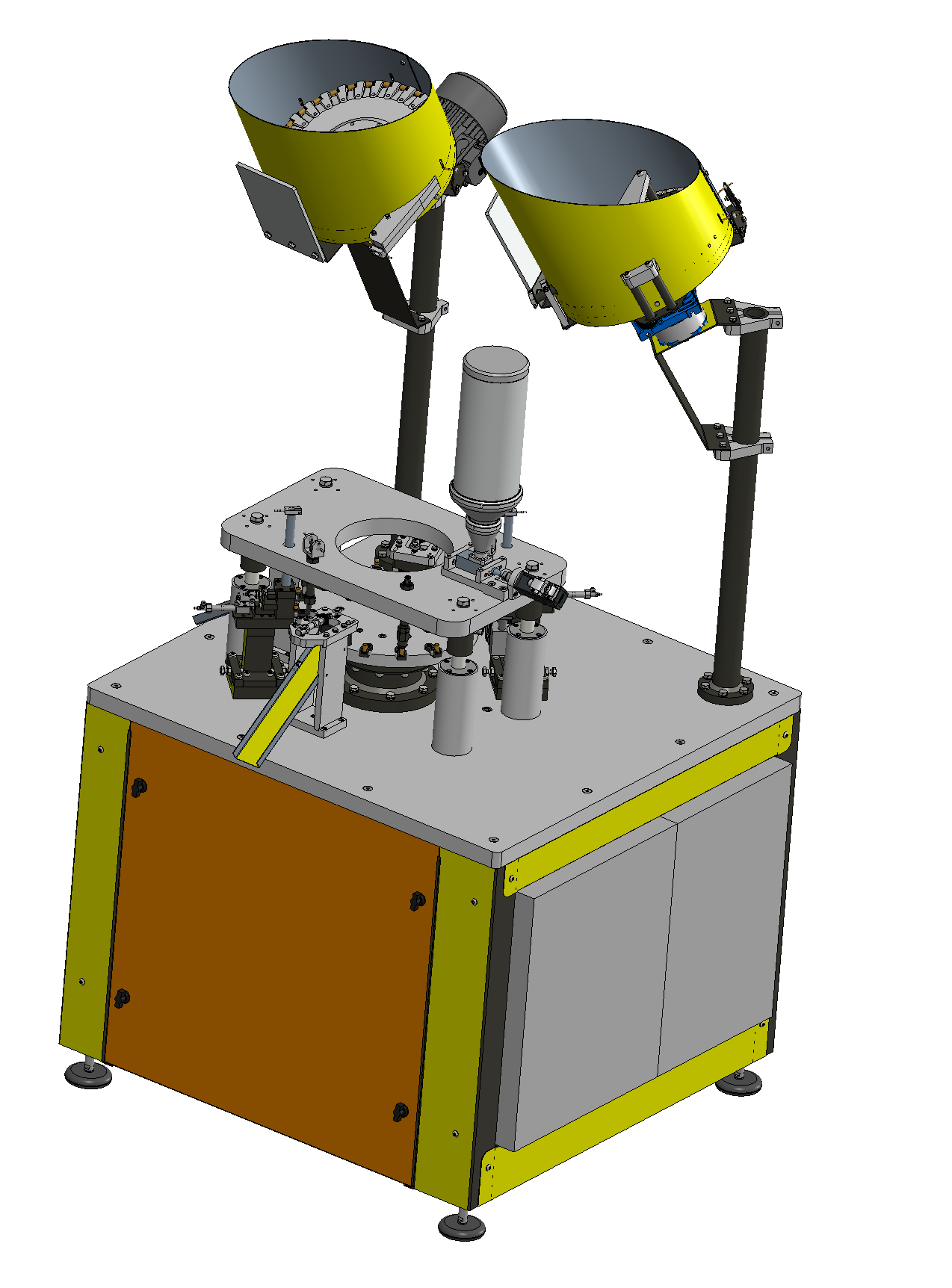
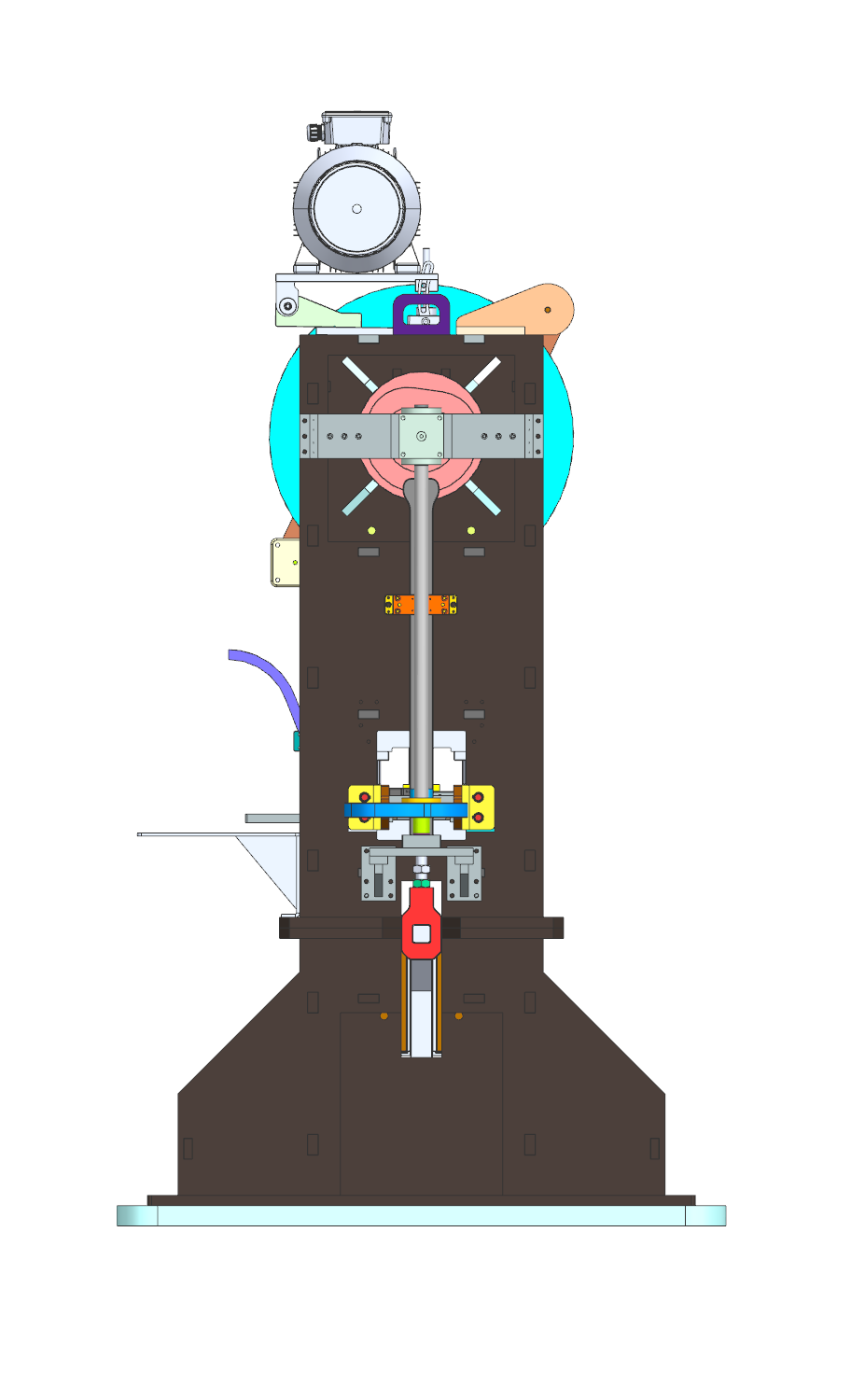
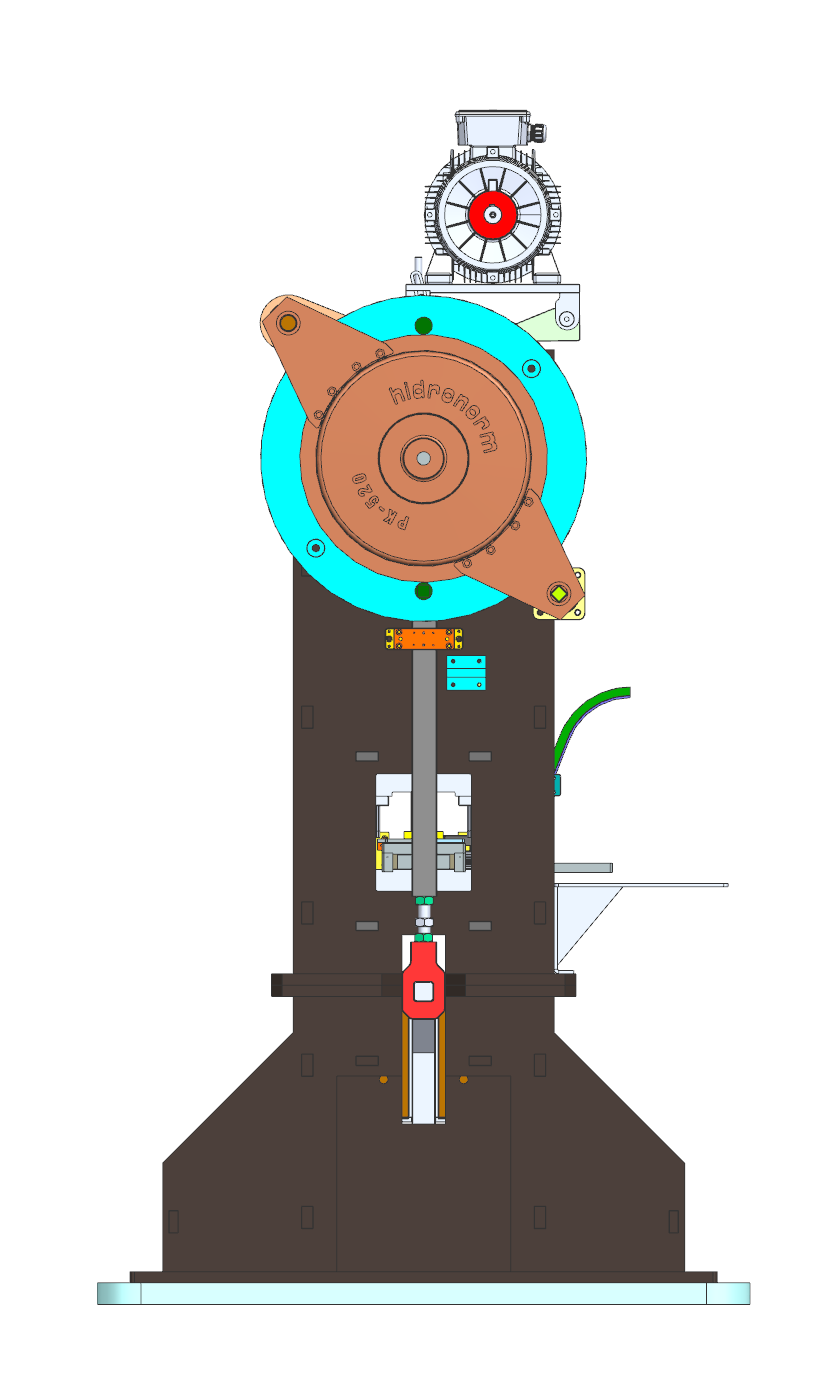
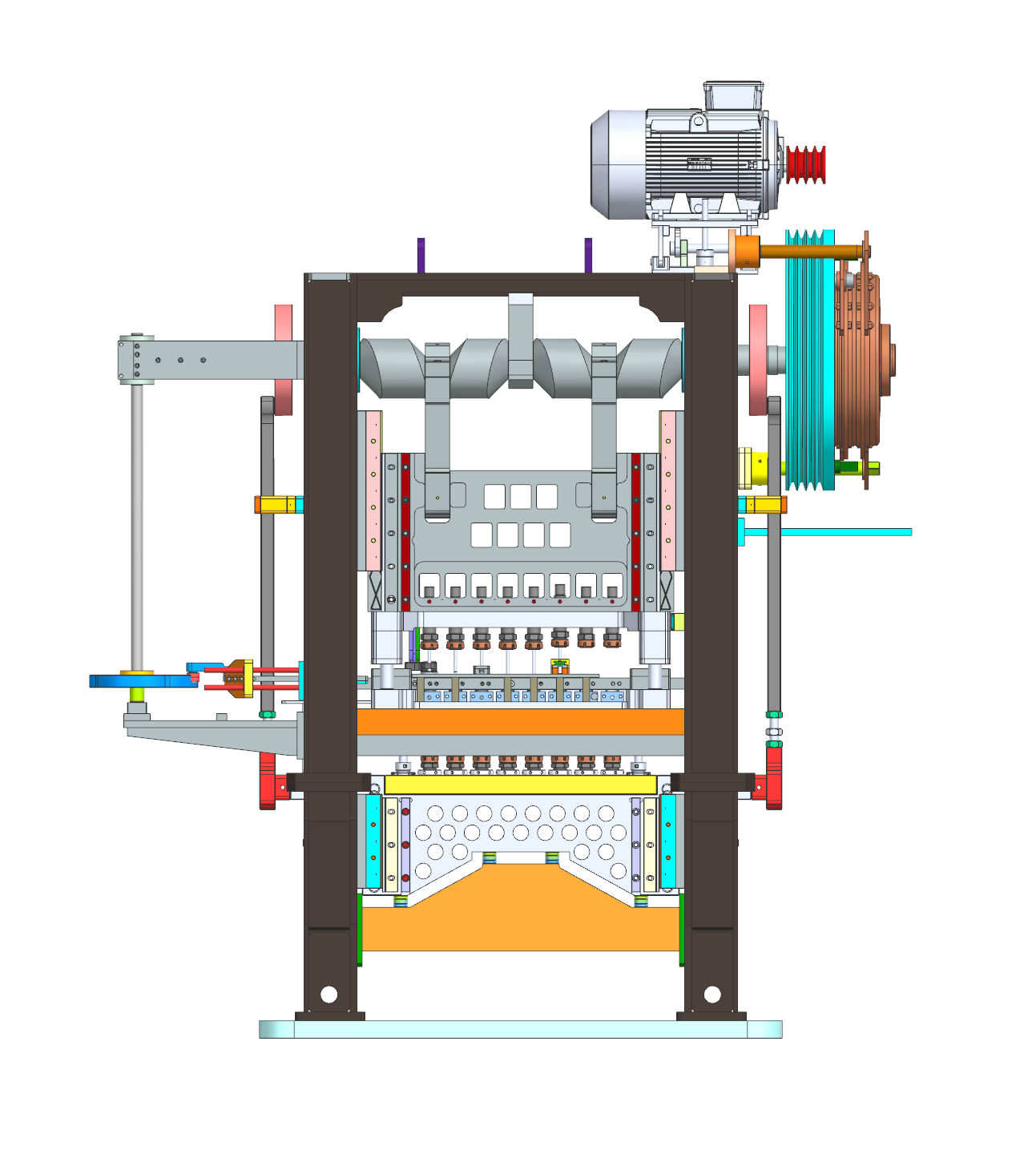
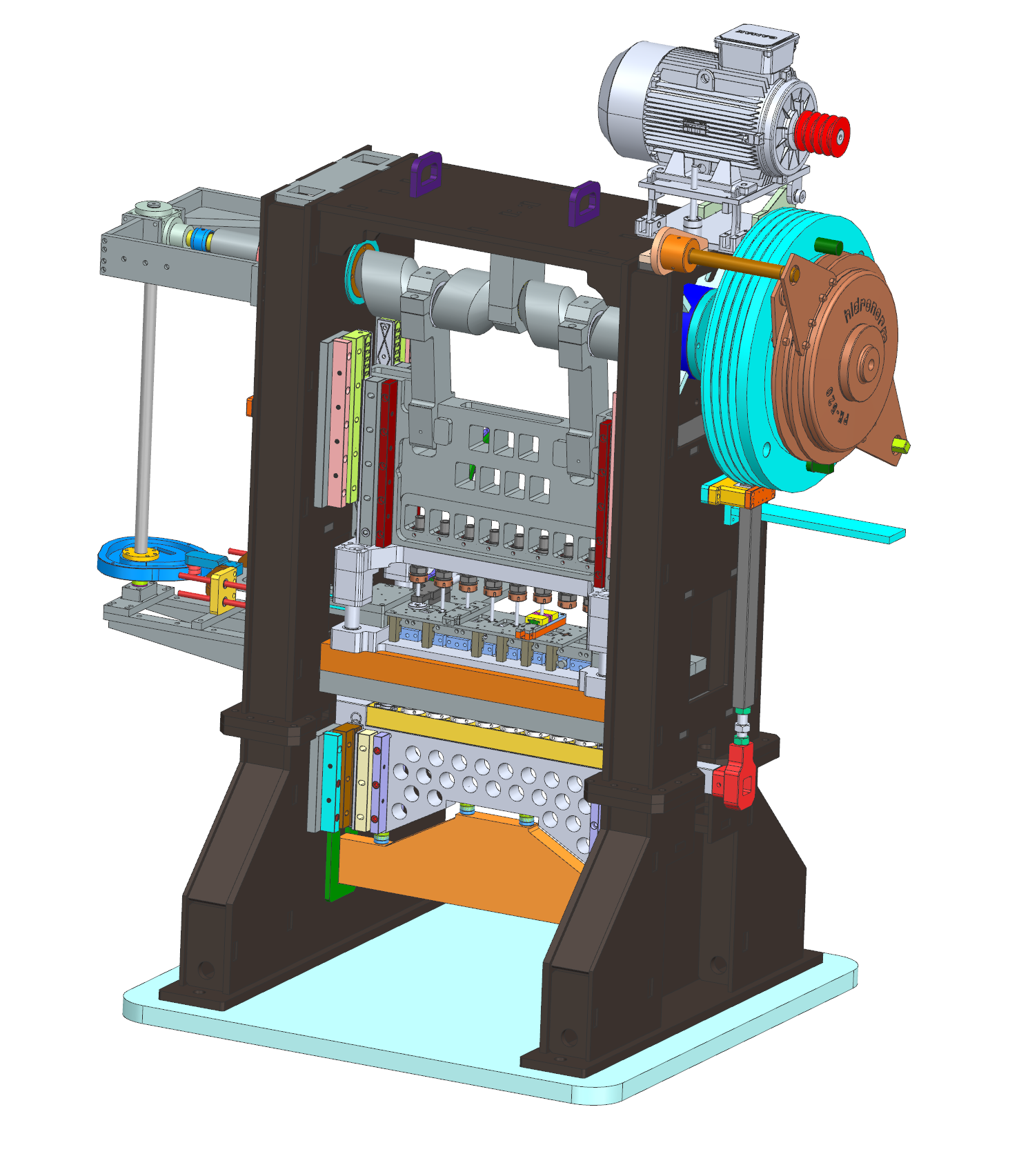
After the project and analysis phase is completed, machine designs begin. Machine design is an R&D process in itself. The design process allows different studies to be carried out according to the purpose of use of the machine and the place of use. Designs are made specifically according to the size of the product or job that the machine will produce, and attention is paid to ensure that the usability rate is high. While designs are made with a focus on production, they are also made by taking into account the transportation and assembly processes of the machine.
Production Stages
In machine manufacturing, production stages are determined separately for each part. Various methods are used to produce machine parts. In the production stage, stages and processes to be used are determined according to the type of machining or chipless manufacturing. In the production stages of machine parts with machining, processes such as turning, milling, drilling, reaming and grinding are performed. After different processes are performed for each of the machine parts and they are made ready for assembly, the assembly stage is started. Production stages are carried out according to design and planning.
Quality Control Processes
In machine manufacturing processes, the quality control process starts after the manufacturing is completed. Since the manufacturing is made specifically for the order, the quality control process should be handled one by one. The following are done in this process.
Production is carried out after receiving part approvals, Identifying and reporting any part incompatibilities, Not continuing production without a part nonconformity certificate, Quality control processes ensure that the manufacturing complies with the prepared plan and standards. It is an important process in machine manufacturing and the machine that does not pass the quality control is not delivered to the customer.
Test and Delivery
After the machine manufacturing is completed and the necessary controls are passed, test productions are carried out. The tests to be carried out determine whether the new machine meets the expectations and whether there are any missing or faulty processes. After the testing is done and approval is given, the delivery process to the customer begins. Before delivery, the quality control and test results related to the manufacturing are shown to the customer and the necessary delivery is made. Deliveries are the process of installing the machine at the place of use, operating it and delivering it ready for use. During the delivery, information is also given about the use and safe maintenance of the machine.
Conclusion:
Machine manufacturing is a complex and dynamic process. Experts from different disciplines need to come together and work using various techniques and tools. In addition, technological developments and changes in customer demands constantly affect this process.
Predictions:
In the future, automation and robot use will increase even more in machine manufacturing. New technologies such as 3D printers and artificial intelligence will also be used to optimize production processes and produce more complex machines. Machine manufacturing is a sector that plays a critical role in the progress of humanity and the formation of the modern world. In this article, we have examined the basics of machine manufacturing and how the process works in detail. In the future, even more exciting developments are expected in this sector and the production of new generation machines.